Understanding Underwater Turbines: Japan's Megawatt-Scale Innovation
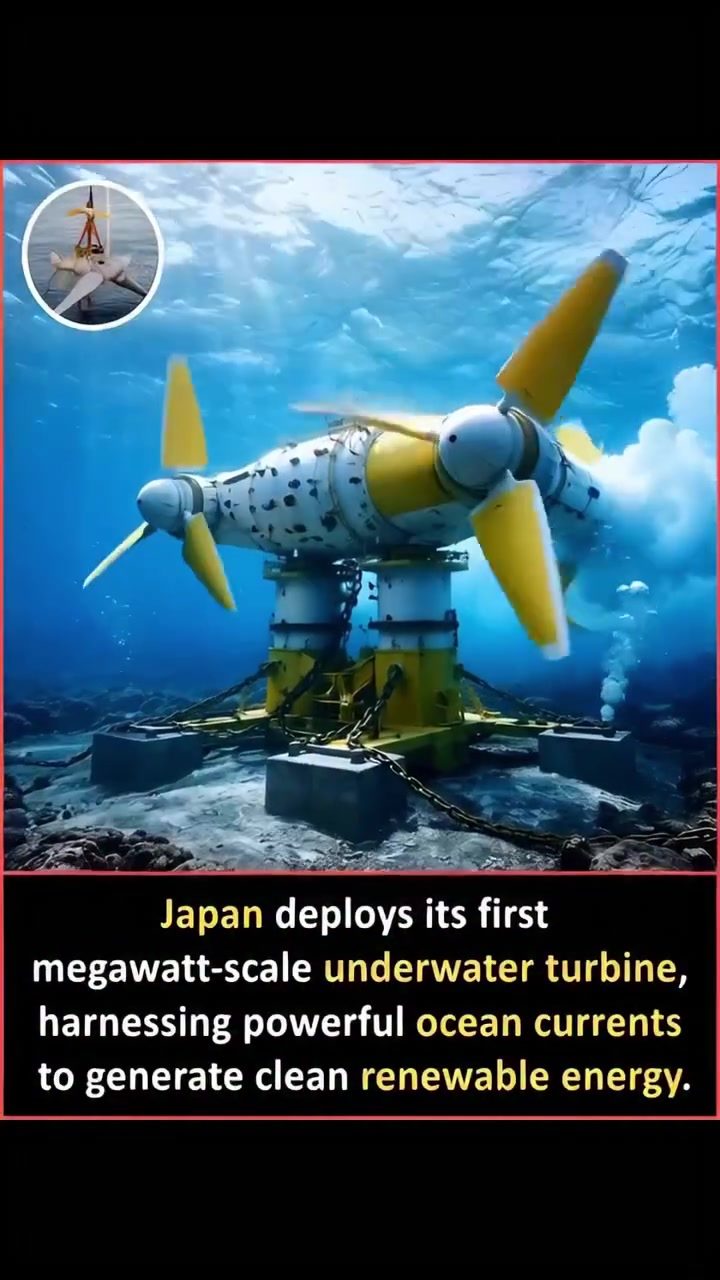
Underwater turbines represent a groundbreaking advancement in renewable energy, particularly in harnessing the power of ocean currents. Japan has recently deployed its first megawatt-scale underwater turbine, marking a significant milestone in the quest for sustainable and predictable energy sources.
Why This Matters
The deployment of underwater turbines in Japan underscores the growing importance of marine energy in the global push for renewable power. As the world seeks to reduce its reliance on fossil fuels and mitigate climate change, tapping into the vast, consistent energy of ocean currents offers a promising solution. This technology not only contributes to energy security but also aligns with the broader goals of the blue economy, where oceans are viewed as a resource for sustainable development.
The Science and Engineering Behind Underwater Turbines
Underwater turbines operate on a similar principle to wind turbines, but instead of harnessing wind, they capture the kinetic energy from ocean currents. These currents are driven by factors such as temperature differences, wind, and the Earth's rotation, creating a reliable and steady flow of water.
Design and Deployment
The design of underwater turbines is meticulous, focusing on durability and efficiency. These turbines are typically anchored to the seabed and consist of blades that rotate as water flows through them. The rotational energy is then converted into electrical energy through a generator.
Japan's newly deployed turbine is a megawatt-scale device, meaning it has the capacity to generate one megawatt of power—enough to supply electricity to hundreds of homes. The turbine's design ensures it can withstand the harsh marine environment, including strong currents, corrosive seawater, and marine life.
Generation of Clean Energy
The underlying principle of underwater turbines is the conversion of kinetic energy from ocean currents into electrical energy. The consistent and predictable flow of ocean currents makes this a reliable source of renewable energy. Unlike solar or wind energy, which are intermittent and dependent on weather conditions, ocean currents provide a steady supply of energy around the clock.
Key Advantages of Underwater Turbines
The deployment of underwater turbines in Japan brings several key advantages that make this technology particularly compelling.
Predictability and Reliability
One of the standout features of underwater turbines is their ability to provide a predictable and reliable source of energy. Ocean currents are continuous, flowing day and night, regardless of weather conditions. This predictability means that underwater turbines can generate a consistent supply of clean energy, making them a valuable addition to the renewable energy portfolio.
Lower Environmental Impact
Underwater turbines have a lower environmental impact compared to traditional energy sources. They do not produce greenhouse gases or pollutants, and their underwater location minimizes visual and noise pollution. Additionally, the design of these turbines is often created with environmental considerations in mind, such as minimizing impact on marine life.
Additional Benefits
The deployment of underwater turbines extends beyond energy generation. It also contributes to broader environmental and economic goals.
Economic Opportunities
The blue economy, which encompasses sustainable use of oceans for economic growth, is gaining traction. Marine energy technologies like underwater turbines create new economic opportunities, including job creation in manufacturing, deployment, and maintenance. These jobs can range from engineering and technical roles to environmental monitoring and regulatory compliance.
Diversification of Renewable Portfolios
Underwater turbines provide a way to diversify renewable energy portfolios, especially for coastal nations. By adding a reliable and predictable source of energy, countries can reduce their dependence on intermittent renewable sources like solar and wind. This diversification strengthens energy security and resilience.
Climate Solutions
The blue economy is evolving from being a victim of climate change to a solution. By harnessing the power of ocean currents, underwater turbines contribute to reducing emissions and mitigating climate change. This technology offers a path toward a sustainable future, where oceans play a central role in energy production and environmental conservation.
Global Context
The deployment of Japan's first megawatt-scale underwater turbine highlights a global trend towards marine renewable energy. Various countries are exploring the potential of underwater turbines and other marine energy technologies. These efforts are driven by the need for sustainable energy solutions and the recognition of the vast potential of ocean energy.
International Collaboration
Global collaboration is essential for advancing marine energy technologies. Countries are sharing knowledge, resources, and best practices to accelerate progress in this field. International partnerships and research initiatives are fostering innovation and driving the development of more efficient and cost-effective underwater turbines.
Practical Tips for Implementation
Implementing underwater turbine technology requires careful planning and execution. Here are some practical tips for those looking to harness the power of ocean currents.
Site Selection
Choosing the right location is crucial for the successful deployment of underwater turbines. Factors to consider include the strength and consistency of ocean currents, water depth, and proximity to the grid. Conducting thorough environmental assessments is also important to minimize impacts on marine life and ecosystems.
Engineering and Design
The design and engineering of underwater turbines must prioritize durability and efficiency. Materials that can withstand the harsh marine environment, such as corrosion-resistant metals and composites, are essential. The turbine's blades and generator should be optimized for maximum energy conversion.
Environmental Considerations
Minimizing environmental impacts is a key consideration in the deployment of underwater turbines. This includes assessing potential impacts on marine life, such as fish and sea mammals, and implementing mitigation strategies. Monitoring programs should be in place to track the environmental effects of the turbines and ensure sustainable practices.
Important Takeaways
Underwater turbines represent a significant advancement in the quest for sustainable and predictable energy sources. Japan's deployment of its first megawatt-scale turbine underscores the potential of marine energy to contribute to a greener future. The key takeaways from this innovation include:
- Predictability and Reliability: Ocean currents provide a consistent and reliable source of energy, making underwater turbines a valuable addition to the renewable energy portfolio.
- Environmental Benefits: Underwater turbines have a lower environmental impact compared to traditional energy sources, contributing to emissions reduction and environmental conservation.
- Economic Opportunities: The blue economy offers new economic opportunities, including job creation and sustainable development.
- Global Context: International collaboration and research are driving the development of marine energy technologies, with underwater turbines at the forefront.
Conclusion
The deployment of Japan's first megawatt-scale underwater turbine marks a significant step forward in renewable energy innovation. By harnessing the power of ocean currents, this technology offers a reliable, predictable, and environmentally friendly source of energy. As the world seeks to transition to a more sustainable future, underwater turbines provide a promising solution, contributing to energy security, emissions reduction, and the blue economy. The ongoing development and deployment of this technology will play a crucial role in shaping a greener and more resilient energy landscape.
Watch the Reel
Questions readers ask
What is an underwater turbine and how does it generate power?
An underwater turbine is a device designed to harness the kinetic energy from ocean currents. It works similarly to wind turbines, but instead of capturing wind, it captures the flow of water. As the ocean current moves the turbine's blades, a generator converts this mechanical energy into electricity.
Why is Japan's first megawatt-scale underwater turbine significant?
Japan's first megawatt-scale underwater turbine is significant because it represents a substantial step towards utilizing ocean currents as a mainstream power source. This achievement demonstrates the feasibility of large-scale marine power generation, which can provide a consistent and reliable source of clean energy.
How does ocean current energy compare to other renewable energy sources?
Ocean current energy is unique because it is highly predictable and consistent, unlike solar or wind power, which can be intermittent. This makes it an attractive option for consistent power generation. However, it is still in the early stages of development compared to more established renewable energy sources like solar and wind.
What are the benefits of using underwater turbines for power generation?
Underwater turbines offer several benefits, including reduced reliance on fossil fuels, lower greenhouse gas emissions, and enhanced energy security. They also provide a way to utilize the vast, untapped energy potential of ocean currents, contributing to a more sustainable energy mix.
What challenges might Japan face in expanding its underwater turbine technology?
Japan may face several challenges in expanding its underwater turbine technology, such as the high upfront costs of installation and maintenance, potential environmental impacts on marine life, and the need for advanced technology to withstand harsh ocean conditions. Additionally, integrating marine power generation into the existing grid infrastructure will require careful planning and investment.
How does Japan's underwater turbine technology contribute to climate change mitigation?
By harnessing the power of ocean currents, Japan's underwater turbine technology helps reduce the country's dependence on fossil fuels, which are a major contributor to greenhouse gas emissions. This shift towards cleaner energy sources is crucial for mitigating climate change and promoting a more sustainable energy future.
What are the potential environmental impacts of underwater turbines?
While underwater turbines offer a clean energy solution, they may have some environmental impacts. These include potential effects on marine organisms due to turbulence and noise, as well as the physical presence of the turbines themselves. However, ongoing research is focused on minimizing these impacts and ensuring that marine power generation is both sustainable and environmentally responsible.
Related deep dives
Similar reads based on topic and creator.

Recent articles
Fresh deep dives from the latest Reels we unpacked.




Comments
Be the first to comment.