Severe Weather in Japan
Japan is grappling with severe weather conditions as two powerful tropical storms, Mekkhala and Higos, approach the archipelago. These storms have triggered widespread disruptions, emergency warnings, and significant economic impacts across the region.
Context / Why this matters
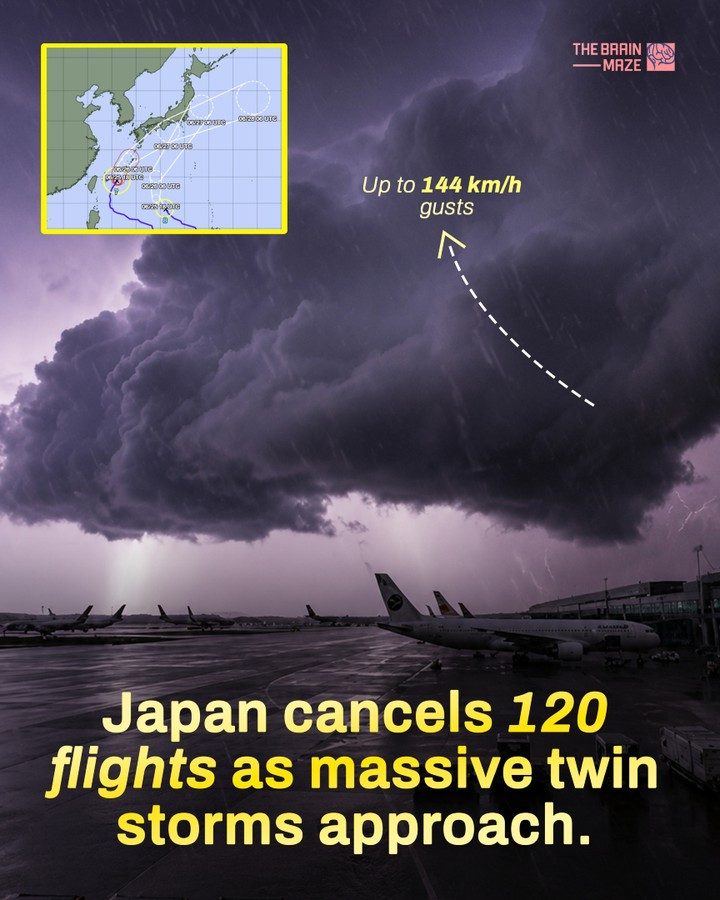
Affected areas as severe weather threatens Japan, Taiwan from two major storms.
The severity and unpredictability of the storms are attributed, in part, to a rare weather phenomenon. As these storms move closer to Kyushu and Shikoku, they may interact through the Fujiwhara effect. This effect causes the storms to orbit around each other, leading to more unpredictable paths and intensified conditions, making them particularly challenging to forecast.
Main discussion
Wind Speeds and Flooding
Mekkhala, previously classified as a typhoon, has brought wind gusts reaching up to 144 km/h. This intense wind has been accompanied by heavy rainfall, lashing southern and western Japan. Authorities have issued warnings about potential flooding and landslides, posing significant risks to infrastructure and public safety.
Flight Disruptions and Evacuations
The approaching storms have been most disruptive, particularly to air travel. Japanese airlines have cancelled more than 120 flights in response to the severe weather conditions. These cancellations have affected travelers and logistics, adding to the logistical challenges posed by the storms.
Kyoto has issued evacuation orders for parts of the city due to rising river levels and the heightened risk of landslides. Similar weather conditions have also affected Taiwan. Torrential rain has led to flooding, road closures, and mass evacuations, underscoring the regional impact of these storms.
Practical tips
When faced with severe weather events, it is essential to stay informed and follow safety guidelines. Here are some practical tips to keep in mind:
Stay Informed
- Monitor Official Updates: Keep track of updates from local authorities and weather services. They provide critical information on evacuation orders, shelter locations, and safety advisories.
- Follow Local News: Local news outlets often provide real-time updates and detailed reports on the storm's progress and impacts.
Prepare in Advance
- Eveluation Plan: Develop an evacuation plan and know the routes to and from your home. Be aware of potential shelters and emergency services.
- Emergency Kit: Assemble an emergency kit with essentials such as food, water, first aid supplies, flashlights, batteries, and important documents.
- Secure Your Home: Reinforce your home by securing windows, doors, and other vulnerable areas. Move valuable items to higher ground if there is a risk of flooding.
Safety During Evacuation
- Follow Evacuation Orders: If authorities issue an evacuation order, follow it promptly. Evacuate as soon as possible, even if the storm does not seem severe in your immediate area.
- Stay Away from Dangerous Areas: Avoid low-lying areas, bodies of water, and coastal regions, as these are prone to flooding and landslides.
- Stay Calm and Focused: Ensure you and your family stay calm, listen carefully to authorities, and follow safety protocols.
Important takeaways
There are several key points to remember about the severe weather conditions in Japan:
- The Fujiwhara Effect: This rare weather phenomenon increases the unpredictability of the storms' paths, making it crucial to stay informed and prepared.
- Economic Impact: The storms have caused major disruptions in the industrial sector, with temporary shutdowns at major facilities like Toyota and Nissan, highlighting the economic toll of such weather events.
- Regional Impact: The severe weather conditions are not limited to Japan. Taiwan is also experiencing similar issues, emphasizing the broader regional impact of these twin storms.
Conclusion
Japan's severe weather conditions due to the storms Mekkhala and Higos highlight the need for preparedness and vigilance during such events. Staying informed, having an emergency plan, and following safety guidelines can help mitigate the risks posed by these powerful storms. The widespread disruptions and economic impacts underscore the importance of being ready for such events and the need for robust infrastructure to withstand severe weather conditions.
Watch the Reel
Questions readers ask
What is the Fujiwhara effect and how does it impact the storms Mekkhala and Higos?
The Fujiwhara effect is a rare weather phenomenon where two storms orbit around each other, causing their paths to become more unpredictable. As Mekkhala and Higos approach Japan, this effect may intensify their conditions, making it challenging to forecast their exact paths and impacts.
Which regions in Japan are most at risk from the twin storms?
The storms are expected to have a significant impact on Kyushu and Shikoku, though the entire Japanese archipelago is at risk. These regions should be prepared for heavy rainfall, intense winds, and potential flooding.
What are the key warnings issued for Japan during the storms?
Japan has issued tropical storm warnings, heavy rainfall warnings, and flood risk alerts. Residents should stay informed about these warnings and take necessary precautions to ensure their safety.
How do the storms Mekkhala and Higos affect the economic activities in Japan?
The storms have triggered widespread disruptions, leading to significant economic impacts. Businesses and industries, especially in the affected regions, should prepare for potential closures and delays in operations.
What precautions should residents take during the storms?
Residents should monitor the Japan storm map and weather forecasts closely. It is advisable to secure outdoor furniture, stock up on essentials, and be prepared to evacuate if necessary. Staying indoors and away from low-lying areas can help minimize the risk of injury or property damage.
What is the expected impact on wind gusts and rainfall in Japan due to the storms?
The twin storms are expected to bring intense winds and heavy rainfall to Japan. Wind gusts may reach high speeds, posing a risk to infrastructure and personal safety. Heavy rainfall can lead to flooding, particularly in low-lying areas and near rivers.
How can I stay informed about the latest developments of the storms in real-time?
To stay informed, you can follow reliable weather sources and official announcements. Japan Meteorological Agency provides real-time updates, and many news outlets offer live coverage and storm maps. Additionally, local authorities issue timely warnings and advisories.
Related deep dives
Similar reads based on topic and creator.

Recent articles
Fresh deep dives from the latest Reels we unpacked.




Comments
Be the first to comment.