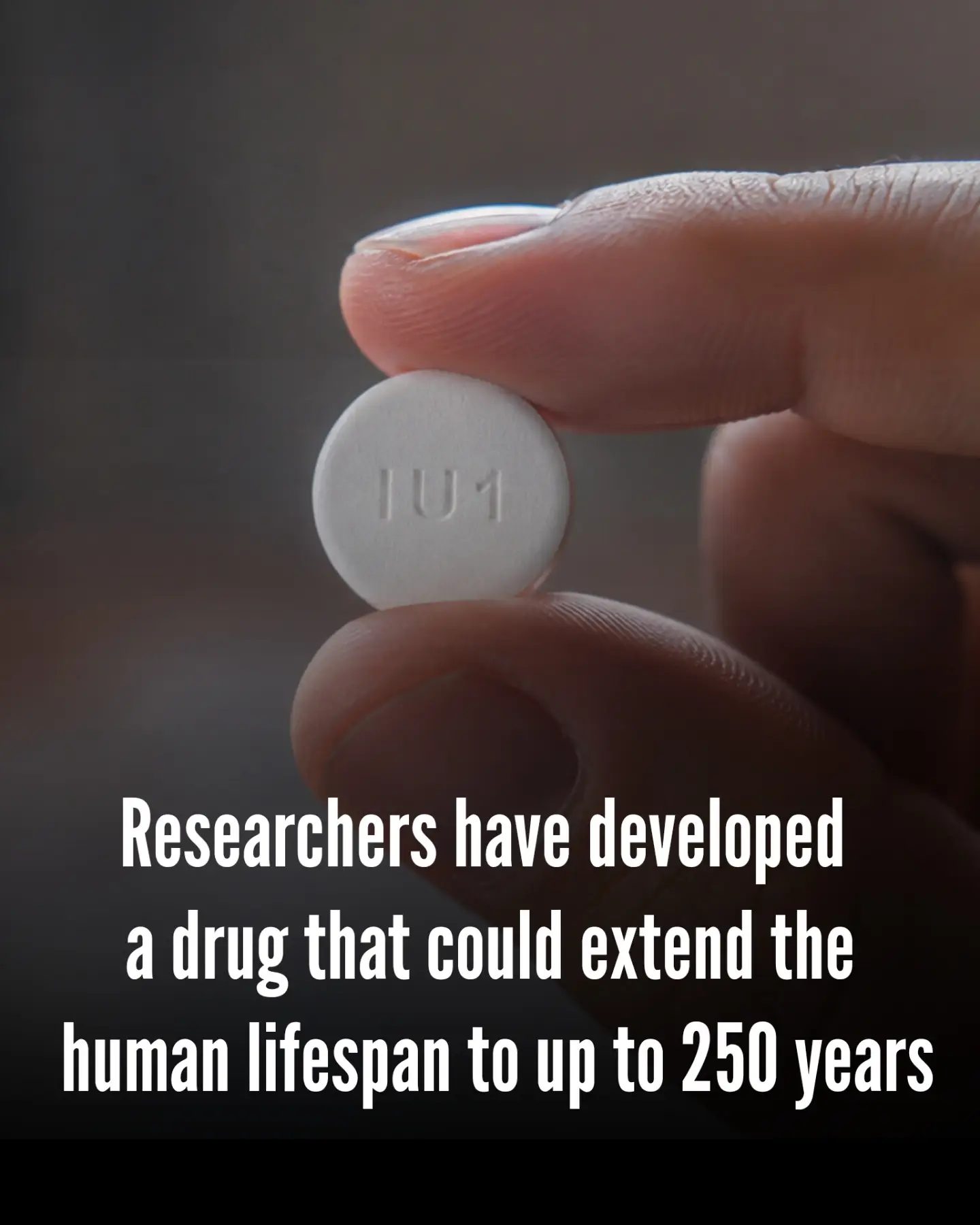
Longevity Drug IU1: Enhancing Protein Quality Control to Extend Human Lifespan
Aging is a natural process that brings with it a host of challenges, including the loss of protein balance within the body's cells. This imbalance, known as proteostasis, is a significant contributor to age-related diseases. Recent breakthroughs in longevity research have focused on enhancing the body's protein quality control systems to mitigate these issues. At the forefront of this research is a drug called IU1, developed by scientists at Osaka University in Japan. IU1 has shown promising results in slowing aging and potentially extending human lifespan by up to 250 years.
Why This Matters
As the global population ages, the burden of age-related diseases increases. Conditions such as Alzheimer's, heart disease, and muscle weakness are not only debilitating but also place a significant strain on healthcare systems. Enhancing protein quality control systems in cells could revolutionize our approach to aging, leading to healthier, more productive later years. Understanding the mechanisms behind IU1's effectiveness is crucial for developing future therapies and improving overall quality of life for aging populations.
Enhancing Protein Quality Control with IU1
The Role of Proteasomes and Autophagy
IU1's mechanism of action involves enhancing two key protein quality control systems: proteasomes and autophagy. Proteasomes are cellular structures responsible for degrading damaged or misfolded proteins, while autophagy is a process that recycles cellular components and removes damaged organelles. As we age, the efficiency of these systems declines, leading to an accumulation of damaged proteins and contributing to age-related diseases.
IU1's Synergistic Effect
Researchers at Osaka University discovered that IU1 can simultaneously enhance both proteasome activity and autophagy. This dual action is what sets IU1 apart from other potential anti-aging therapies. By boosting these systems, IU1 helps to maintain protein balance within cells, reducing the risk of age-related degenerative diseases and muscle weakness. This synergistic effect is crucial for extending lifespan and improving overall health.
The Potential of IU1 in Extending Lifespan
Clinical Implications
The potential of IU1 to extend human lifespan by up to 250 years is a groundbreaking discovery. While this claim is still in the early stages of research, the efficacy of IU1 in enhancing protein quality control systems is supported by robust scientific evidence. Clinical trials and further studies are necessary to fully understand the drug's long-term effects and safety profile, but the initial results are promising.
Broader Applications
The implications of IU1 extend beyond mere lifespan extension. By improving protein quality control, IU1 could potentially prevent or delay the onset of various age-related diseases. This could lead to a significant reduction in healthcare costs and an improvement in the quality of life for the elderly. Moreover, the underlying mechanisms of IU1's action could inspire new research and therapies aimed at enhancing overall cellular health.
Practical Tips for Maintaining Protein Quality Control
While IU1 represents a significant leap in longevity research, there are practical steps individuals can take to support their protein quality control systems. Maintaining a healthy lifestyle, including a balanced diet, regular exercise, and adequate sleep, can help keep these systems functioning optimally. Additionally, staying informed about the latest research in longevity and consulting with healthcare providers can provide further guidance on maintaining cellular health.
Important Takeaways
The development of IU1 by researchers at Osaka University represents a significant advancement in the field of longevity research. By enhancing proteasome activity and autophagy, IU1 helps to maintain protein quality control within cells, potentially extending human lifespan and improving overall health. As research continues, the potential applications of IU1 and related therapies could revolutionize our approach to aging and age-related diseases.
Conclusion
The discovery of IU1 offers a glimpse into a future where aging is not just a process to be endured, but a phase of life that can be managed and even extended. By focusing on enhancing protein quality control systems, researchers have uncovered a novel approach to addressing the challenges of aging. As we continue to unravel the complexities of cellular health, therapies like IU1 could pave the way for a healthier, more vibrant aging population.
Watch the Reel
Questions readers ask
How does the IU1 drug aim to extend human lifespan?
IU1 targets protein imbalance in cells, a primary factor in aging. By enhancing the body's protein quality control systems, it aims to extend human lifespan by up to 250 years, potentially mitigating age-related diseases.
What is the significance of protein quality control in aging?
Protein quality control, or proteostasis, is crucial for cellular health. As we age, protein imbalance within cells contributes to various age-related diseases, making it a key target for anti-aging interventions like IU1.
Who developed the IU1 drug, and what is its primary function?
The IU1 drug was developed by scientists at Osaka University. Its primary function is to enhance the body's protein quality control systems, which can slow the aging process and potentially extend human lifespan.
What is autophagy, and how does IU1 enhance it?
Autophagy is a natural process where cells degrade and recycle their components. IU1 enhances autophagy, helping cells maintain protein balance and potentially slowing down aging.
Are there potential side effects or risks associated with IU1?
As with any drug, there may be side effects or risks, but the article does not specify. However, further research and clinical trials will provide more information on the safety and efficacy of IU1.
How does IU1 compare to other anti-aging treatments?
Unlike many other anti-aging treatments that focus on specific diseases or symptoms, IU1 targets the fundamental process of protein imbalance in cells, making it a potentially broad-spectrum approach to extending human lifespan.
What are the next steps in research for the IU1 drug?
While the drug shows promise, further studies and clinical trials are needed to validate its effects on humans. Researchers will likely focus on safety, optimal dosing, and long-term benefits of IU1.
Related deep dives
Similar reads based on topic and creator.

Recent articles
Fresh deep dives from the latest Reels we unpacked.




Comments
Be the first to comment.