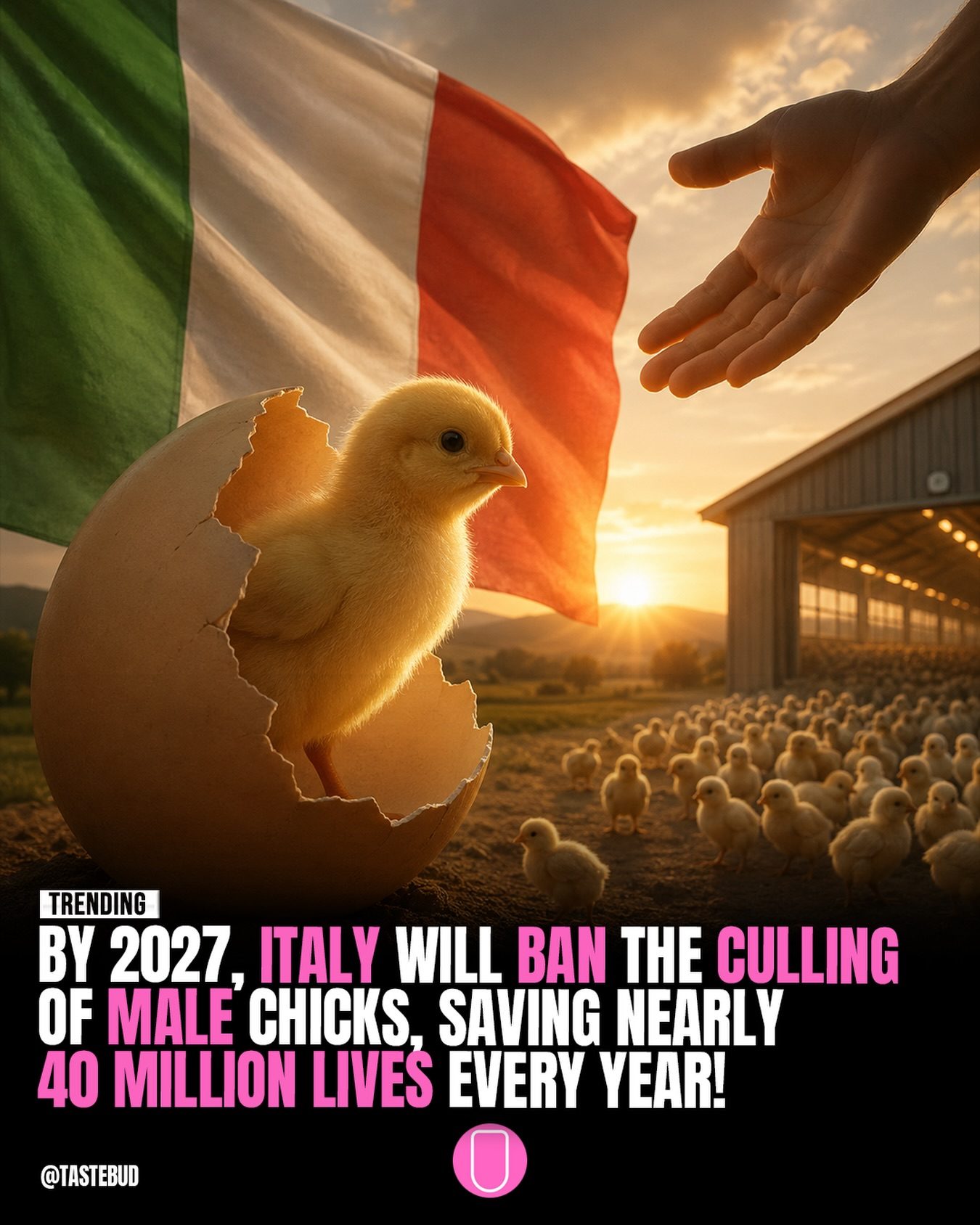
Animal Welfare in Italy: The Upcoming Ban on Male Chick Culling
Italy is taking a significant step toward improving animal welfare by moving to ban the culling of male chicks. This change, expected to take effect by 2027, is part of a broader effort to promote more ethical practices in food production. The implementation of this policy could potentially spare millions of chicks annually, reflecting a broader shift toward more humane practices across Europe.
Why This Matters
The culling of male chicks is a contentious issue in the poultry industry. Male chicks are often culled shortly after hatching because they are not suitable for laying eggs and are less efficient for meat production compared to female chicks. This practice has raised ethical concerns due to the large number of chicks involved. The Italian government's move to ban this practice underscores a growing global awareness and commitment to animal welfare.
The Context of Male Chick Culling
The Current Practice
Culling of male chicks is a common practice in the poultry industry. The primary reason behind this practice is economic. Male chicks, often referred to as "culls", are perceived as less valuable because they do not lay eggs and are not as efficient for meat production as female chicks. This has led to the widespread practice of culling male chicks shortly after hatching, often through methods such as gassing or maceration.
The Ethical Dilemma
The ethical implications of culling male chicks have long been a point of contention. Animal welfare advocates argue that this practice is inhumane and unnecessary. The European Union (EU) has been pushing for alternative solutions to address the ethical concerns while maintaining the economic viability of the poultry industry.
The Economic Side
The poultry industry is a significant contributor to the Italian economy. However, the ethical concerns surrounding the culling of male chicks have put the industry in the spotlight. Stakeholders, including farmers, consumers, and animal welfare organizations, are increasingly calling for more sustainable and ethical practices. The move to ban male chick culling is a response to these growing concerns and a step toward balancing economic sustainability with ethical welfare practices.
The Shift Toward Ethical Food Production
The Broader Trend in Europe
Italy's move is part of a broader trend across Europe toward more ethical food production. Other countries, such as Germany and the Netherlands, have already implemented bans or are in the process of phasing out the culling of male chicks. These efforts are driven by public demand for more humane treatment of animals and a growing awareness of ethical considerations in food production.
Innovations in Poultry Production
The ban on male chick culling will require innovative solutions. Research is ongoing to develop methods that can sex chicks before hatching. This would allow for the separation of male and female chicks in the egg, thereby eliminating the need to cull male chicks. Technologies such as in-ovo sexing are being explored as viable alternatives. These methods use genetic markers to determine the sex of the chick before it hatches, allowing for the selective incubation of female chicks.
Policy and Regulation
The Italian government's decision to ban male chick culling by 2027 is a significant regulatory move. It reflects the government's commitment to animal welfare and aligns with broader EU regulations aimed at improving animal treatment across the continent. This policy change will require significant adjustments from the poultry industry, including the adoption of new technologies and practices.
Practical Tips for Stakeholders
For Poultry Farmers
Poultry farmers will need to adapt to the new regulations. This includes investing in technologies that allow for in-ovo sexing, which can identify the sex of the chick in the egg before hatching. This technology, while still emerging, is crucial for farmers to comply with the new regulations and maintain economic sustainability.
For Consumers
Consumers can play a role in supporting ethical food production. By choosing products from farms that adhere to these new regulations, consumers can drive demand for more humane practices. Supporting brands that prioritize animal welfare can encourage the industry to adopt more ethical practices.
For Legislators
Legislators need to work closely with the poultry industry to ensure that the transition to more ethical practices is smooth. This includes providing resources and support for farmers to adopt new technologies and practices. Legislative frameworks that balance economic sustainability with animal welfare are essential for the success of this policy.
Important Takeaways
Italy's move to ban the culling of male chicks is a significant step toward more ethical food production. This policy change reflects a broader trend in Europe toward improving animal welfare and addresses long-standing ethical concerns in the poultry industry. The successful implementation of this ban will require collaboration between stakeholders, including farmers, consumers, and legislators.
Conclusion
The upcoming ban on male chick culling in Italy is a pivotal moment in the push for more ethical food production. By 2027, millions of chicks could be spared annually, marking a shift toward more humane practices. This policy change is part of a broader trend in Europe, driven by public demand and technological advancements. As Italy moves toward this goal, it sets an example for the rest of the world to consider similar measures, ensuring that ethical considerations are at the forefront of food production.
Watch the Reel
Questions readers ask
What is the primary goal of Italy's ban on male chick culling?
The primary goal of Italy's ban on male chick culling, set to take effect in 2027, is to reduce the number of chicks killed annually, sparing an estimated 40 million lives each year. This initiative aims to promote more ethical practices in the poultry industry and align with broader animal welfare trends in Europe.
Why are male chicks typically culled in the poultry industry?
Male chicks are typically culled shortly after hatching because they do not lay eggs and are less efficient for meat production compared to female chicks. This practice has sparked ethical debates due to the sheer volume of chicks affected.
What are some alternatives to male chick culling?
Alternatives to male chick culling include in-ovo sexing, which determines the sex of the chick before hatching, and rearing male chicks for meat production. These methods are being explored to address ethical concerns and promote more humane practices in the poultry industry.
How does Italy's ban on male chick culling align with global trends?
Italy's ban on male chick culling reflects a growing global awareness of animal welfare and ethics in food production. This move is part of a broader shift across Europe and worldwide toward more humane practices in the poultry industry, emphasizing the importance of animal rights in food production.
What impact will Italy's ban have on the poultry industry?
Italy's ban on male chick culling is expected to significantly impact the poultry industry by encouraging the adoption of more ethical practices. This change may prompt advancements in technology and procedures to better care for male chicks, while also influencing other countries to consider similar policies.
When will Italy's ban on male chick culling be fully implemented?
Italy's ban on male chick culling is scheduled to be fully implemented by 2027. This timeline allows the industry time to adapt and find viable alternatives to culling, ensuring a more humane approach to poultry production.
What are the expected benefits of Italy's 2027 poultry ban?
The expected benefits of Italy's 2027 ban on culling male chicks include a significant reduction in animal suffering, improved animal welfare, and a positive shift in the ethical standards of the poultry industry. This policy will also contribute to the overall advancement of animal rights in food production.
Related deep dives
Similar reads based on topic and creator.


Recent articles
Fresh deep dives from the latest Reels we unpacked.




Comments
Be the first to comment.