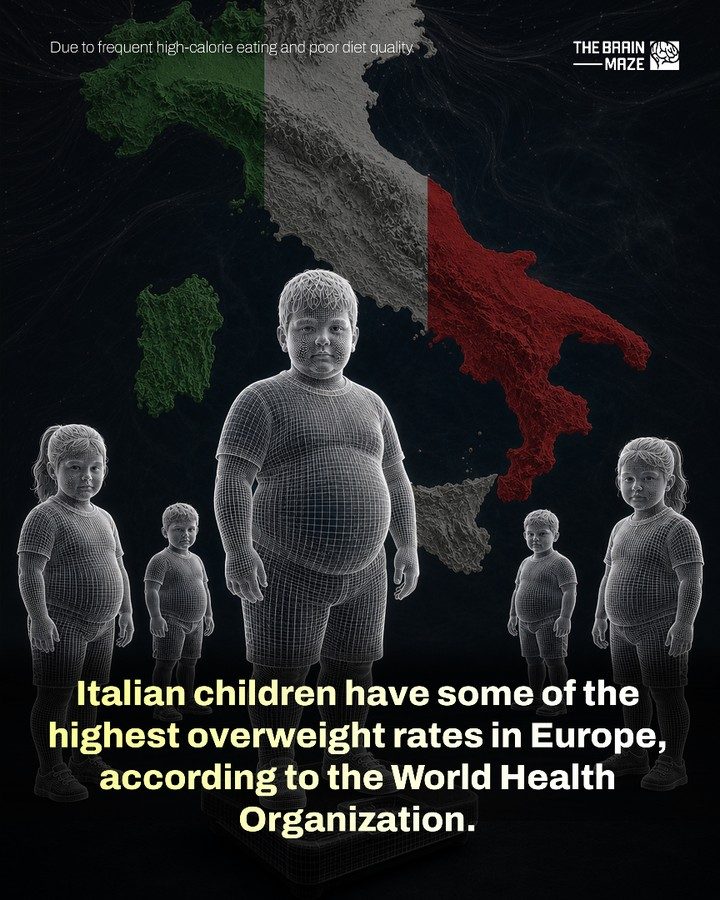
Childhood Obesity in Italy
Children in Italy are facing a significant challenge. A concerning number of them are among the most overweight in Europe, as traditional Mediterranean eating habits are increasingly replaced by calorie-dense, ultra-processed foods. Experts point to several key factors contributing to this trend, including poor diet quality, limited physical activity, and a lack of awareness about maintaining a healthy weight.
Context: Why This Matters
Childhood obesity is a critical issue that affects not only the immediate health of young people but also their long-term well-being. In Italy, the shift from the traditional Mediterranean diet to more processed foods has had a profound impact. The Mediterranean diet, known for its emphasis on fruits, vegetables, whole grains, and lean proteins, has long been celebrated for its health benefits. However, the surge in ultra-processed foods, which are high in calories and low in nutritional value, is contributing to the rising rates of childhood obesity.
The World Health Organization highlights that Italy has some of the highest overweight rates among children in Europe. This statistic underscores the urgency of addressing the issue. Treating obesity as a chronic disease, Italy is now implementing new strategies to reverse the growing childhood obesity crisis. These efforts are crucial, as childhood obesity can lead to a range of health problems, including diabetes, heart disease, and even mental health issues.
Main Discussion
The Mediterranean Diet vs. Ultra-Processed Foods
The Mediterranean diet has long been a cornerstone of Italian cuisine and lifestyle. Known for its emphasis on fresh, unprocessed foods, this diet has been linked to numerous health benefits, including lower rates of obesity and chronic diseases. However, the convenience and affordability of ultra-processed foods have led to a shift in eating habits. These foods are often high in sugar, salt, and unhealthy fats, contributing to weight gain and poor health outcomes.
Limited Physical Activity
Another significant contributor to childhood obesity is limited physical activity. Modern lifestyles often involve more sedentary activities, such as screen time and reduced outdoor play. This lack of physical exercise, combined with poor dietary habits, creates a perfect storm for weight gain. Physical activity is essential for maintaining a healthy weight and overall well-being, and encouraging children to engage in regular exercise is a crucial part of addressing the obesity crisis.
Lack of Awareness
One of the most critical factors in the fight against childhood obesity is the lack of awareness about healthy weights and nutrition. Many families and children may not be fully informed about the importance of a balanced diet and regular physical activity. Education plays a vital role in promoting healthier lifestyles. By raising awareness and providing access to accurate information, Italy can help families make healthier choices.
Practical Tips
For Parents and Guardians
- Encourage a balanced diet that includes plenty of fruits, vegetables, and whole grains.
- Limit processed foods and sugary beverages.
- Make physical activity a regular part of the routine, whether through organized sports or simple activities like walking or cycling.
For Schools and Communities
- Implement nutrition education programs that teach children about healthy eating and exercise.
- Provide access to nutritious meals and snacks in schools.
- Encourage outdoor play and physical education programs.
For Policymakers
- Promote regulations that limit the marketing of unhealthy foods to children.
- Invest in community programs that support active lifestyles and healthy eating.
- Ensure that healthcare providers are trained to address obesity as a chronic disease.
Important Takeaways
Children in Italy are facing a serious health challenge with high rates of obesity. This trend has been driven by changes in dietary habits, limited physical activity, and a lack of awareness about healthy lifestyles. Efforts to combat this issue, including treating obesity as a chronic disease and promoting healthier habits, are essential. These strategies can help reverse the tide of childhood obesity and support the long-term well-being of Italy's youth.
Conclusion
Addressing childhood obesity in Italy requires a multifaceted approach. From promoting traditional healthy eating habits to encouraging physical activity and raising awareness, there are many steps that can be taken to combat this growing problem. By implementing effective strategies and raising awareness, Italy can help ensure a healthier future for its children.
Watch the Reel
Questions readers ask
What are the primary causes of childhood obesity in Italy?
The primary causes of childhood obesity in Italy include a shift away from the traditional Mediterranean diet towards ultra-processed, calorie-dense foods, as well as a decrease in physical activity among children. Additionally, a lack of awareness about maintaining a healthy weight and poor overall diet quality contribute to the crisis.
How does the traditional Mediterranean diet differ from the current diet trends in Italian children?
The traditional Mediterranean diet emphasizes fresh fruits, vegetables, whole grains, legumes and healthy fats. This Mediterranean diet for kids was designed to be balanced and nutritious. However, many Italian children are now consuming more ultra-processed foods that are high in calories and low in nutritional content.
What are some potential solutions to combat childhood obesity in Italy?
New strategies being implemented in Italy to address childhood obesity include promoting the Mediterranean diet for kids, encouraging regular physical activity, and raising awareness about the importance of a balanced diet. Policies aimed at reducing the availability of ultra-processed foods and increasing access to healthier options are also being explored.
How does Italy's childhood obesity rate compare to other European countries?
Italy is experiencing a severe childhood obesity issue, with a significant number of its children among the most overweight in Europe. This means that the childhood obesity rates in Italy are notably high, indicating a pressing need for intervention and support.
What long-term health impacts can childhood obesity have on Italian children?
Childhood obesity in Italy can lead to various long-term health impacts, including an increased risk of chronic diseases such as diabetes, heart disease, and certain cancers. Additionally, obese children may face social and emotional challenges, which can affect their overall well-being and quality of life.
What steps can parents take to support their children's healthy nutrition in Italy?
Parents can support their children's healthy nutrition by reintroducing the Mediterranean diet for children, which includes a variety of fruits, vegetables, whole grains, and lean proteins. Encouraging regular physical activity and limiting the intake of ultra-processed, calorie-dense foods can also help maintain a healthy weight.
How can schools in Italy contribute to the fight against childhood obesity?
Schools in Italy can play a significant role in combating childhood obesity by offering nutritious meals that align with the traditional Mediterranean diet, providing physical activity programs, and incorporating nutrition into their curriculum. These efforts can help Italian children adopt healthier habits and reduce the prevalence of overweight kids in Italy.
Related deep dives
Similar reads based on topic and creator.



Recent articles
Fresh deep dives from the latest Reels we unpacked.




Comments
Be the first to comment.