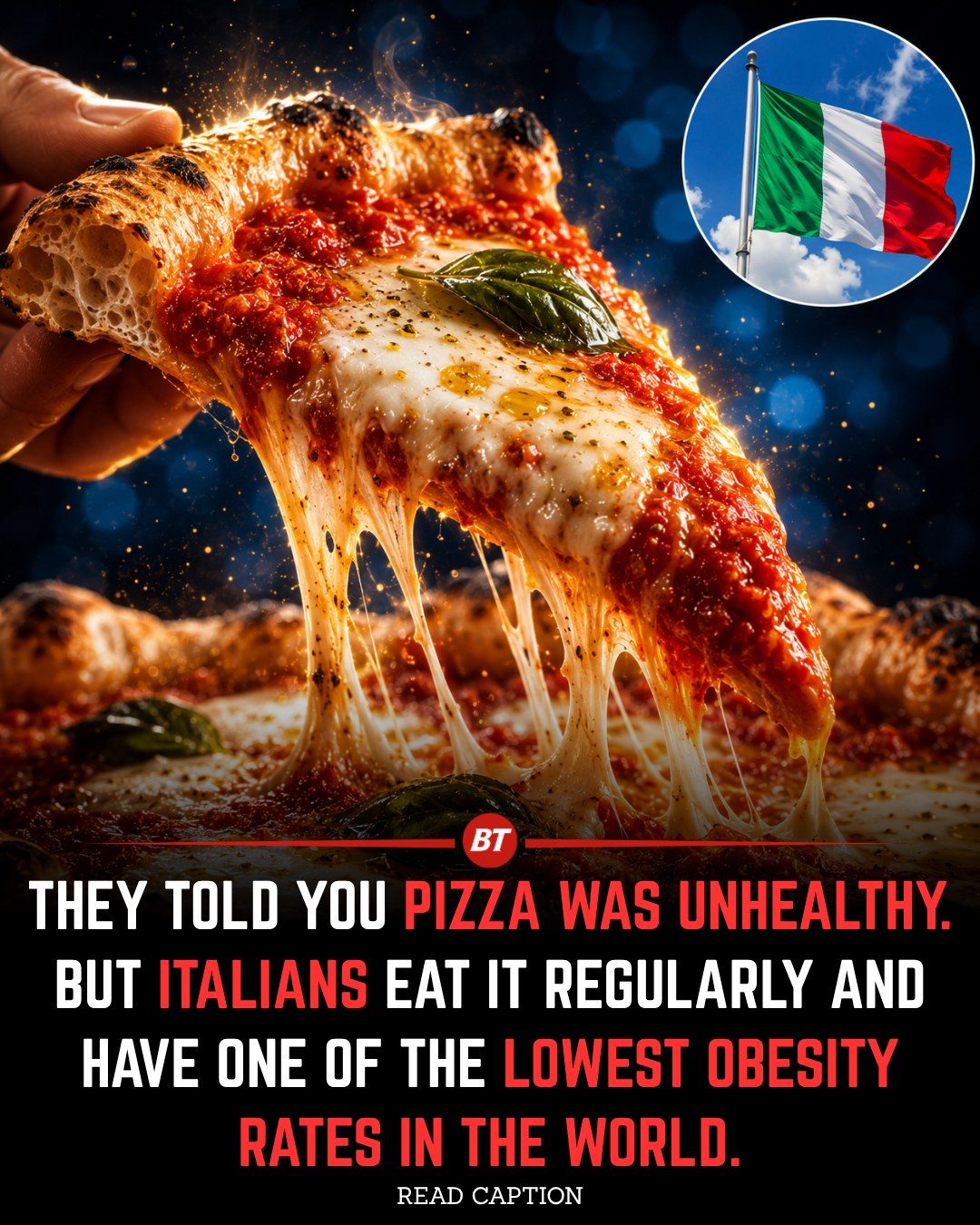
Pizza and Italian Health
Pizza is a universally loved dish, but it's often perceived as unhealthy. However, Italians enjoy pizza regularly and maintain some of the lowest obesity rates in the world. This isn't just a coincidence; it's a result of how Italians approach their meals, including pizza.
Why This Matters
Understanding the Italian approach to pizza and overall diet can offer insights into healthier eating habits. It's not about eliminating favorite foods but about enjoying them mindfully and as part of a balanced lifestyle. This perspective can help shift the focus from restrictive diets to more sustainable and enjoyable eating patterns.
The Traditional Italian Pizza
Traditional Italian pizza is a far cry from the oversized, heavily processed versions commonly found today. The Italian version typically features a thin crust, fresh tomato sauce, mozzarella, olive oil, herbs, and simple, high-quality ingredients. The emphasis is on balance and quality rather than excess. This approach keeps the calorie count in check and ensures that the ingredients are nutritious.
Key Ingredients
- Thin Crust: The thin crust of traditional Italian pizza reduces the overall calorie content compared to thicker, doughier crusts.
- Fresh Tomato Sauce: Fresh tomatoes are high in vitamins and antioxidants, adding nutritional value to the pizza.
- Mozzarella: This type of cheese is lower in fat compared to other cheeses, making it a healthier option.
- Olive Oil: Rich in monounsaturated fats, olive oil is a heart-healthy choice.
- Herbs: Fresh herbs add flavor and nutritional benefits without extra calories.
Minimal Processing
Italian pizzas often include fewer processed toppings, prioritizing fresh vegetables, lean proteins, and whole foods. This focus on minimally processed ingredients contributes to better overall health. When ingredients are fresh and high-quality, the resulting meal is more nutritious and satisfying.
The Mediterranean Diet
Italy's strong food culture is deeply rooted in the Mediterranean diet, which emphasizes fresh vegetables, legumes, fruits, seafood, and olive oil. This diet is known for its positive impact on health, reducing the risk of chronic diseases and promoting longevity. The Mediterranean diet is not just about what you eat, but also how you eat it.
Meal Preparation and Lifestyle
Meals in Italy are often prepared with care and enjoyed at the table, encouraging mindful eating and reducing the likelihood of overeating. Italians also tend to walk as part of their daily routines, and they consume fewer ultra-processed foods compared to many other Western countries. This combination of portion control, ingredient quality, physical activity, and overall dietary pattern has a significant impact on their overall health.
European Regulatory Benefits
Combined with strict European Union food standards for ingredients, additives, and pesticide residues, Italians enjoy meals that prioritize quality over convenience. These regulations ensure that the food available in Italy is of high quality, contributing to better health outcomes.
Practical Tips
Incorporating Italian food habits into your daily life can be straightforward and rewarding. Here are some practical tips to help you enjoy pizza and maintain a healthy lifestyle.
Choose Quality Ingredients
When making pizza at home, opt for a thin crust and use fresh, high-quality ingredients. Fresh tomatoes, mozzarella, olive oil, and herbs are essential for a healthier pizza. Avoid processed meats and load your pizza with vegetables instead.
Portion Control
Portion control is key. Instead of overloading your pizza with toppings, focus on balance. Enjoy a slice or two with a side salad or other fresh vegetables. This approach helps keep your meal balanced and nutritious.
Enjoy Your Meals
Eating meals at the table rather than on the go encourages mindful eating. This practice can help you enjoy your food more and reduce the likelihood of overeating. Savor each bite and take the time to appreciate the flavors and textures.
Incorporate Physical Activity
Regular physical activity is essential for a healthy lifestyle. Whether it's a daily walk or a more structured exercise routine, staying active can help offset the calories from the occasional indulgence. Incorporate physical activity into your daily routine just as the Italians do.
Important Takeaways
When it comes to pizza and overall health, the Italian approach provides valuable lessons. Traditional Italian pizza, with its focus on fresh, quality ingredients and balanced portions, can be a healthier choice. The Mediterranean diet, combined with a lifestyle that prioritizes physical activity and mindful eating, plays a crucial role in maintaining low obesity rates in Italy.
Incorporating these habits into your own life can enhance your well-being. Enjoy pizza as part of a balanced meal, choose quality ingredients, and make physical activity a regular part of your routine. These steps can help you achieve a healthier lifestyle without sacrificing taste and enjoyment.
Conclusion
Pizza doesn't have to be off-limits when aiming for a healthier lifestyle. By adopting the Italian approach—focusing on quality ingredients, portion control, and an active lifestyle—the enjoyment of pizza can be part of a balanced diet. The Italian way emphasizes quality over quantity, and this mindset can be a valuable lesson for anyone looking to improve their dietary habits.
So, the next time you enjoy a slice of pizza, consider the Italian approach. Opt for fresh ingredients, balance your portions, and savor each bite. Embrace the Mediterranean way of eating and living, and you'll find that pizza can be a delicious and healthy part of your diet.
Watch the Reel
Questions readers ask
How often do Italians typically eat pizza?
Pizza is a common part of the Italian diet. Italians consume pizza, but it is typically not an everyday food, unlike bread, pasta, or tomatoes. They often eat pizza once or twice a week.
What makes Italian pizza healthier?
Italian pizza is typically healthier due to the use of fresh, high-quality ingredients. Italians often use fresh vegetables, lean proteins, and whole grains, and they avoid excessive cheese and processed meats.
How do Italian eating habits contribute to lower obesity rates?
Italian eating habits are centered around mindful eating and portion control. They enjoy meals slowly, savoring each bite, and they tend to stop eating when they feel satisfied, not overly full.
What role do fresh ingredients play in Italian pizza?
Fresh ingredients are crucial in Italian pizza. They enhance the flavor and nutritional content, making the pizza more satisfying and healthier. Pizzas are often made with fresh tomatoes, olive oil, and locally sourced cheeses.
How does the Italian pizza cooking process affect its health benefits?
Italian pizza is often cooked in wood-fired ovens at extremely high temperatures, which helps to lock in the flavors and nutrients of the ingredients. This process also makes the pizza easier to digest and more enjoyable, encouraging mindful eating.
Recent articles
Fresh deep dives from the latest Reels we unpacked.




Comments
Be the first to comment.