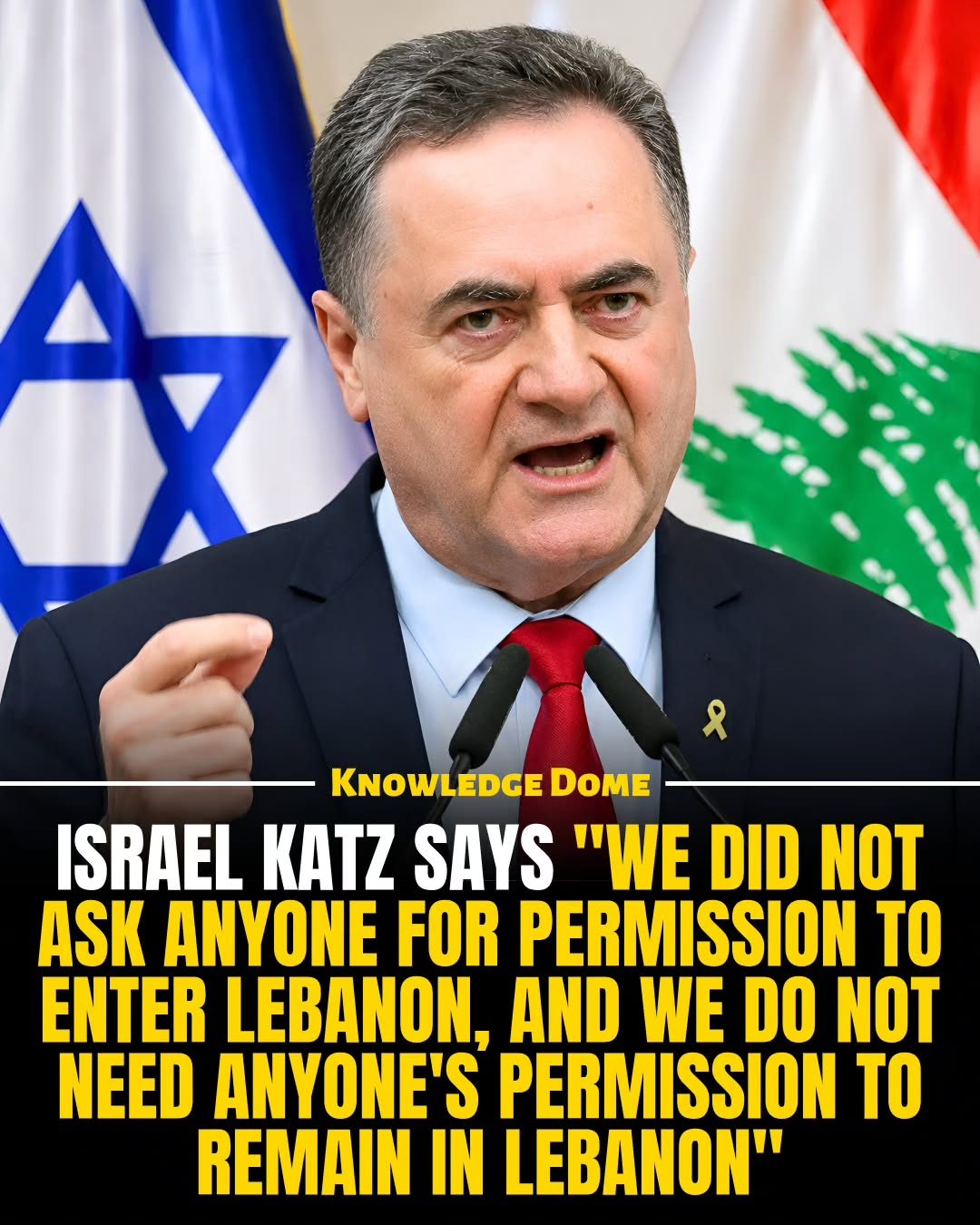
Israeli Troops in Lebanon: A Strategic Move or Sovereignty Violation?
The presence of Israeli troops in Lebanon has sparked intense debate, highlighting complex issues of security, sovereignty, and international relations. Israeli Defense Minister Israel Katz's recent statement has brought these concerns to the forefront. Katz declared that Israeli forces will maintain new security zones in southern Lebanon, Syria, and Gaza for an unspecified duration. He asserted that Israel does not require permission to enter or remain in these territories.
Context / Why This Matters
The situation in Lebanon is multifaceted, involving not just military strategy but also political and diplomatic implications. Israel's actions are seen by some as a necessary step to ensure the safety of its citizens from rocket and drone attacks. However, critics argue that this move infringes on Lebanon's sovereignty and its right to control its own land. The presence of Israeli troops in Lebanon has become a significant international issue, touching on broader themes of war, borders, and national rights.
Main Discussion
Security Concerns and Military Strategy
Israel's primary justification for maintaining a presence in southern Lebanon is security. Katz emphasized that Israeli forces are establishing a buffer zone approximately 10 kilometers deep. This zone is intended to act as a barrier against potential threats from Hezbollah, a Lebanese Shia Islamist political party and militant group. The Israel Defense Forces (IDF) have orders to engage any perceived dangers within this zone. The strategic importance of this buffer zone lies in its potential to mitigate threats from Hezbollah's missile and drone capabilities, which have posed significant risks to Israeli civilians and infrastructure in the past.
Katz also issued a stern warning to Iran, stating that any attack on Israeli forces in Lebanon would be met with a full-force response. This warning underscores the broader geopolitical tensions in the region, where Iran's influence and support for Hezbollah are seen as threats to Israel's security.
Sovereignty and International Law
The other side of the debate revolves around the issue of sovereignty and international law. Critics argue that Israel's unilateral decision to enter and remain in Lebanon without formal permission violates Lebanon's sovereignty. This position is echoed by many international observers who believe that no country should maintain military presence within another country's borders without explicit consent. The presence of Israeli troops in Lebanon is seen as an infringement on Lebanon's territorial integrity, potentially setting a dangerous precedent in international relations.
Political and Diplomatic Ramifications
The situation has significant political and diplomatic implications. Israel's actions have drawn varied responses from the international community. While some countries support Israel's right to defend itself, others have condemned the move as an overstep. The United Nations and various human rights organizations have called for a resolution that respects Lebanon's sovereignty while addressing Israel's security concerns.
Practical Tips
For anyone interested in understanding the complexities of this situation, it's crucial to stay informed about the latest developments. Here are some practical tips:
-
Follow Reliable News Sources: Stay updated with credible news outlets that provide balanced coverage of the situation. This will help you understand the evolving political and military dynamics.
-
Analyze Statements from Key Players: Pay attention to statements from key figures, including Israeli Defense Minister Israel Katz, Lebanese authorities, and international diplomats. Their words can provide valuable insights into the motivations and strategies behind their actions.
-
Understand the Geopolitical Landscape: Familiarize yourself with the broader geopolitical context, including the relationships between Israel, Lebanon, Syria, Iran, and the international community. This will help you see how the situation in Lebanon fits into the larger picture of Middle Eastern politics.
-
Engage in Dialogue: Participate in informed discussions with others who have a deep interest in the topic. This can provide different perspectives and a more comprehensive understanding of the issues at hand.
Important Takeaways
The presence of Israeli troops in Lebanon is a complex issue with far-reaching implications. It highlights the delicate balance between national security and sovereignty, as well as the broader geopolitical dynamics in the Middle East. Key takeaways include:
-
Security vs. Sovereignty: The debate centers around the balance between Israel's security needs and Lebanon's right to sovereignty. Both aspects are crucial to consider when evaluating the situation.
-
Geopolitical Tensions: The broader geopolitical context, including Iran's influence and the role of Hezbollah, plays a significant part in understanding the current situation.
-
International Response: The international community's varied responses underscore the complexity of the issue, with some countries supporting Israel's actions while others condemn them.
Conclusion
The presence of Israeli troops in Lebanon is a multifaceted issue that touches on security, sovereignty, and international law. While Israel's actions are driven by a need for security, they also raise questions about the rights of countries to control their own land. The situation remains fluid, and its resolution will shape the geopolitical landscape of the Middle East for years to come. Staying informed and engaged in the evolving dynamics will be crucial for anyone looking to understand this complex issue.
Watch the Reel
Questions readers ask
What are the Israeli security zones in Lebanon and why are they controversial?
The Israeli security zones in Lebanon refer to areas where Israel maintains a military presence to protect its citizens and deter Hezbollah attacks. These zones are controversial because many view them as an infringement on Lebanese sovereignty and territorial integrity.
What is the Lebanese government's response to the Israeli security zones?
The Lebanese government has generally opposed the presence of Israeli troops within its borders, viewing it as a violation of its sovereignty. The government has called for Israel to withdraw from Lebanese territory, aligning with the stance that these zones disrupt Lebanon's territorial integrity.
How do Israeli security zones impact the Israel-Lebanon conflict?
The security zones have heightened tensions in the Israel-Lebanon conflict. While Israel argues that these zones are necessary for ensuring the safety of its citizens, Lebanon views them as a direct challenge to its territorial rights and governance, complicating efforts towards peaceful resolutions.
What are the main arguments for and against the necessity of Israeli security zones in Lebanon?
Proponents argue that these zones are vital for protecting Israeli civilians from Hezbollah attacks and maintaining regional stability. Opponents contend that they violate Lebanese sovereignty, undermine the country’s territorial integrity, and disrupt the political balance in the region.
How do Israeli security measures in Lebanon affect international relations?
Israeli security measures in Lebanon often provoke international critique and complicate diplomatic relations. The presence of Israeli troops in Lebanese territory can strain relations with Lebanon and other regional countries, as well as influence positions taken by global powers in the Middle East.
What role does Hezbollah play in the debate over Israeli security zones in Lebanon?
Hezbollah is a key factor in the debate, as Israel’s primary justification for maintaining security zones is to protect against Hezbollah attacks. Hezbollah’s presence and activities in southern Lebanon are seen as a significant security threat, making the situation complex and multifaceted.
Recent articles
Fresh deep dives from the latest Reels we unpacked.




Comments
Be the first to comment.