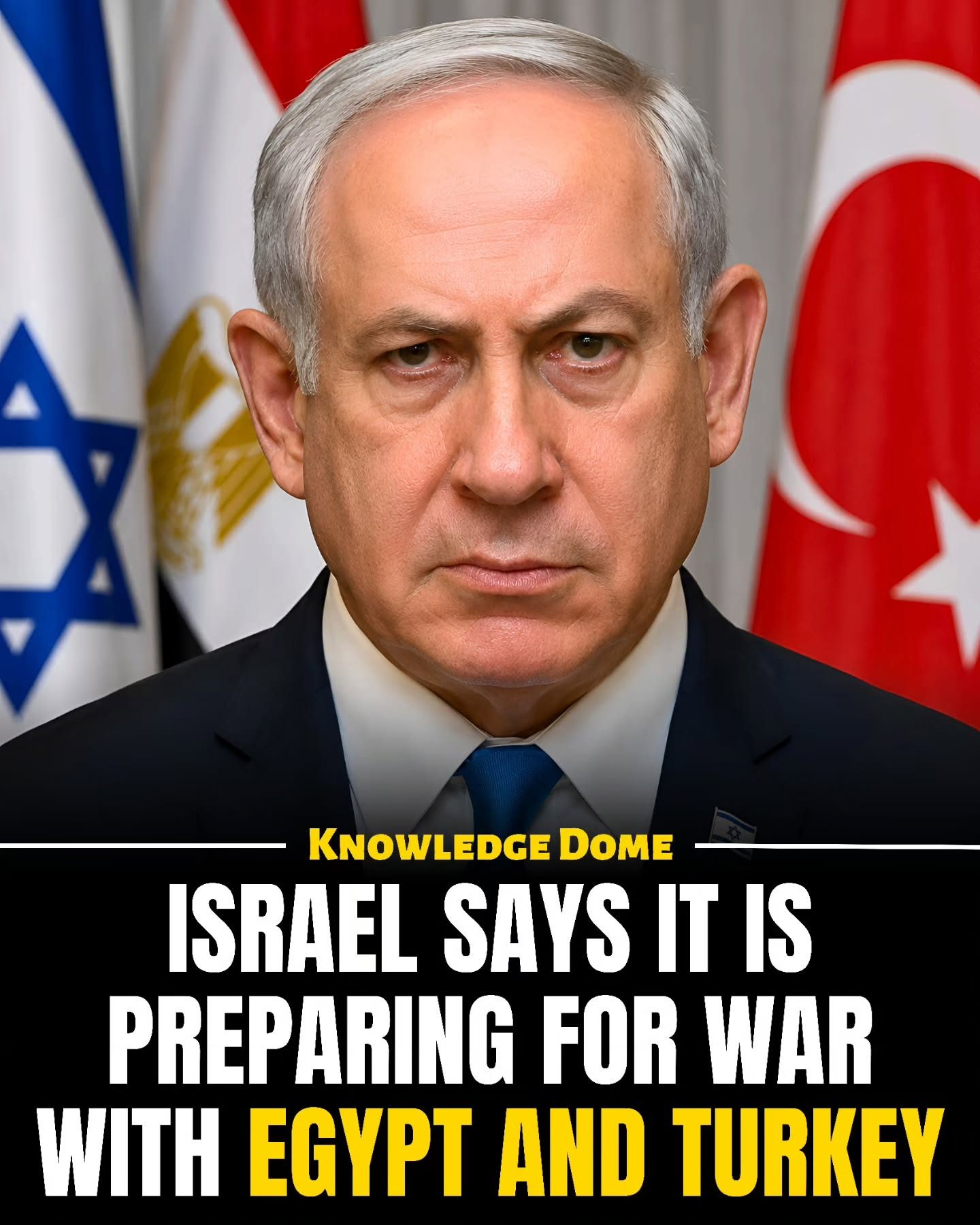
Geopolitical Tensions: Israel's Preparedness for Conflict with Turkey and Egypt
In recent developments, geopolitical tensions in the Middle East have heightened, particularly with regard to Israel's relations with Turkey and Egypt. Former Israeli-American spy Jonathan Pollard has publicly suggested that after Iran, Israel should prepare for possible conflicts with Turkey and Egypt. This warning comes amidst growing military rapprochement and joint training exercises between Egypt and Turkey, raising significant concerns in Israeli security circles.
Context / Why This Matters
The geopolitical landscape of the Middle East is complex and ever-changing. Israel's strategic planning must consider various potential threats, and the recent statements from Pollard and the Nagel Committee highlight new challenges that Israel must address. Understanding the dynamics between Israel, Turkey, and Egypt is crucial for grasping the broader implications of these geopolitical shifts.
The Nagel Committee Report
The Israeli government-appointed Nagel Committee has released a report identifying Turkey as a new regional threat. The report warns that Israel must prepare for the possibility of direct military confrontation with Ankara, especially in relation to Syria. This report underscores the evolving nature of regional threats and the need for Israel to adapt its military strategy accordingly.
Main Discussion
Israel-Turkey Relations
The relationship between Israel and Turkey has been tumultuous in recent years. The Nagel Committee's report and Pollard's statements suggest that Turkey poses a significant military threat to Israel. This is particularly concerning in the context of Syria, where both countries have strategic interests.
Turkey and Egypt's Military Alliance
Recent military rapprochement and joint training exercises between Egypt and Turkey have raised alarms in Israeli security circles. The emergence of a Sunni ring around Israel, comprising Turkey and Egypt, is viewed as a potential threat to Israel's security. This alliance could alter the balance of power in the region, necessitating a robust response from Israel.
Practical Tips
Given the complex geopolitical dynamics, Israel needs to adopt a multi-faceted approach to prepare for potential conflicts with Turkey and Egypt. This includes:
Strengthening Military Capabilities
Israel must continue to invest in its military capabilities, ensuring that its armed forces are well-equipped to handle potential threats. This includes advanced weaponry, cyber warfare capabilities, and robust intelligence gathering.
Diplomatic Engagements
While military preparedness is crucial, diplomatic efforts should not be overlooked. Engaging in dialogue with regional players, including Turkey and Egypt, can help mitigate potential conflicts and build trust.
Alliances and Partnerships
Strengthening alliances with key regional and international partners is essential. This includes maintaining strong ties with the United States, European nations, and other allies in the Middle East. These partnerships can provide diplomatic, military, and economic support in times of crisis.
Strategic Planning
Israel's strategic planning should be flexible and adaptable, capable of responding to emerging threats. This involves regular updates to military doctrines, contingency planning, and scenario analysis.
Important Takeaways
- Evolving Threats: The geopolitical landscape in the Middle East is dynamic, and Israel must be prepared to address evolving threats from nations like Turkey and Egypt.
- Military Preparedness: Investing in military capabilities and maintaining a strong defense posture is essential for Israel's security.
- Diplomatic Efforts: Engaging in diplomatic dialogues can help mitigate potential conflicts and build trust with regional players.
- Alliances and Partnerships: Strengthening alliances with key partners can provide crucial support in times of crisis.
- Flexible Strategic Planning: Adaptable and flexible strategic planning is necessary to respond to emerging threats effectively.
Conclusion
Israel's preparedness for potential conflicts with Turkey and Egypt is a critical aspect of its national security strategy. The warnings from Jonathan Pollard and the Nagel Committee highlight the need for a comprehensive approach that includes military readiness, diplomatic engagement, strong alliances, and flexible strategic planning. By addressing these challenges proactively, Israel can navigate the complex geopolitical landscape and ensure its security in the face of evolving threats.
Watch the Reel
Questions readers ask
Why has Jonathan Pollard highlighted Turkey and Egypt as potential threats to Israel?
Jonathan Pollard, a former Israeli-American spy, has warned that after addressing the Iranian threat, Israel should next focus on possible conflicts with Turkey and Egypt. This is due to the growing military cooperation and joint exercises between these countries, which have raised concerns in Israeli security circles.
What is the significance of the Nagel Committee report in relation to Israel's military readiness?
The Nagel Committee report is a critical assessment tool for Israel's defense strategies. It reviews and evaluates the military preparedness of the Israeli Defense Forces, ensuring they are equipped to handle the evolving threats posed by regional conflicts, including those with Turkey and Egypt.
How are Turkey and Egypt's joint military exercises impacting Israel's strategic planning?
The joint military exercises between Turkey and Egypt are a key concern for Israel's strategic planning. These exercises demonstrate a strengthening military alliance between the two countries, which could potentially pose a significant threat to Israel in the future. Israel must continually adapt its defense strategies to counter these developments in the region.
What steps is Israel taking to maintain its military preparedness in light of these potential threats?
Israel is actively preparing for potential conflicts by enhancing its military readiness and conducting regular Israeli military exercises. The Israel Defense Forces (IDF) are continuously evaluating and updating their defense strategies to ensure they can effectively respond to any threats from Turkey, Egypt, or other regional powers.
How do the geopolitical dynamics between Israel, Turkey, and Egypt affect regional stability?
The geopolitical dynamics between Israel, Turkey, and Egypt are complex and can significantly impact regional stability. The strengthening military ties between Turkey and Egypt, along with Israel's ongoing defense preparations, create a delicate balance of power. This balance is crucial for maintaining stability in the Middle East, but any misstep could lead to heightened tensions and potential conflicts.
What role do joint military exercises play in the defense strategies of Israel, Turkey, and Egypt?
Joint military exercises are a key component of defense strategies for Israel, Turkey, and Egypt. They allow countries to test and improve their military capabilities, enhance coordination and cooperation, and demonstrate their preparedness for any potential conflicts. For Israel, these exercises are particularly important as they help maintain a strong defense image and ensure military readiness against a range of threats.
How might the evolving threat landscape in the Middle East impact Israel's military preparedness?
As the threat landscape in the Middle East evolves, with potential conflicts with Turkey and Egypt, Israel is continuously updating its military preparedness. This includes enhancing training, acquiring advanced military technology, and refining defense strategies to stay ahead of emerging threats. The IDF's focus on joint military preparedness and strategic planning ensures they are ready to face any challenges that may arise.
Recent articles
Fresh deep dives from the latest Reels we unpacked.




Comments
Be the first to comment.