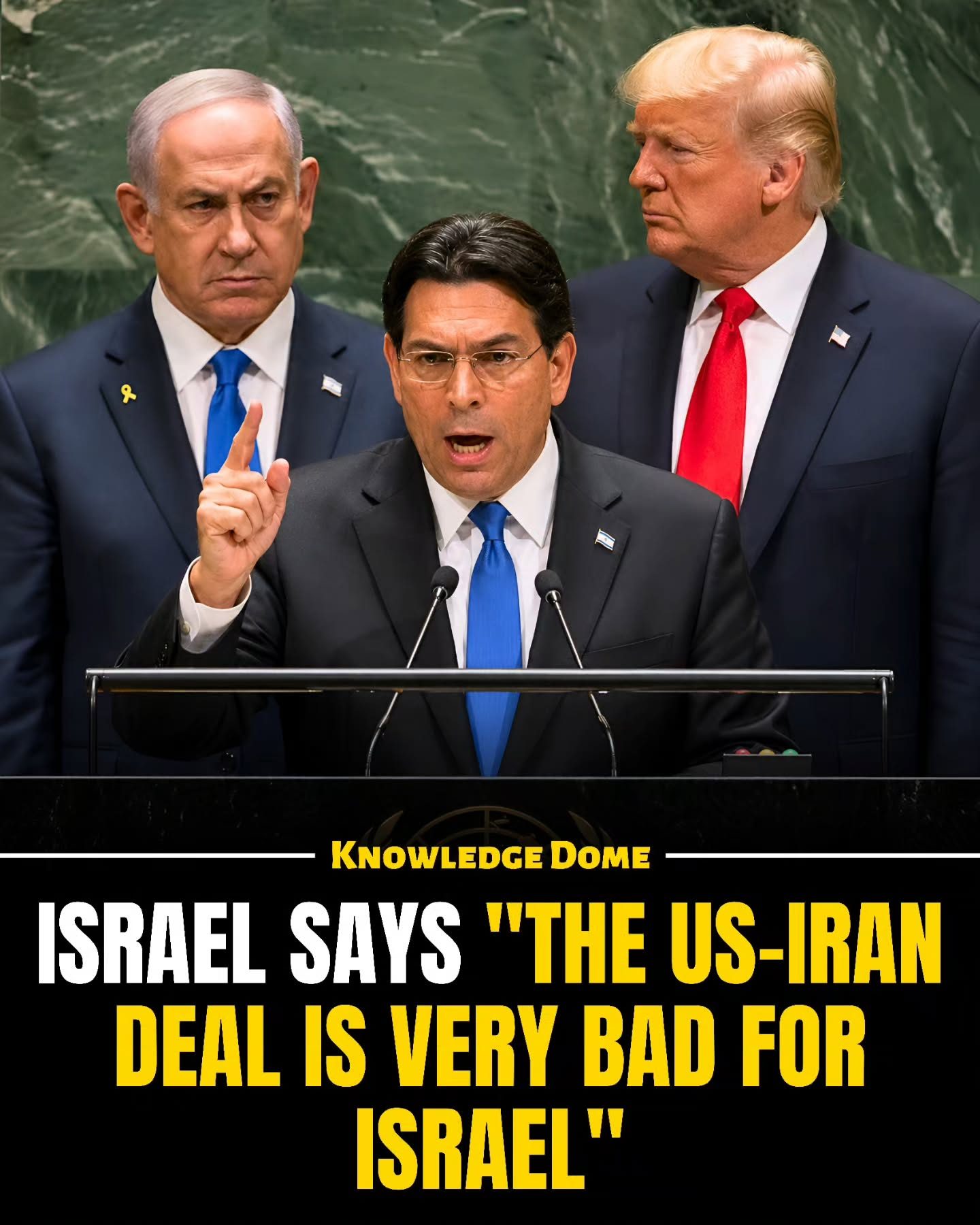
The US-Iran Deal: Israel's Stance and Concerns
The new US-Iran framework deal has sparked significant controversy, particularly within Israel's political and security circles. Israel's UN Ambassador Danny Danon has expressed strong opposition, stating that the deal is detrimental not only to Israel but also to the United States and the Gulf countries. The deal, which provides a 60-day window for negotiations on nuclear and security issues while aiming to halt fighting and reopen the Strait of Hormuz, has raised several concerns among Israeli leaders.
Context / Why this matters
Israel's concerns about the US-Iran deal are multifaceted. The deal's 60-day negotiation period is seen as a delay tactic rather than a solution to the underlying issues. Israeli leaders fear that this delay will allow Iran to gain immediate financial and political support, while the nuclear issue is pushed further into the future. This fear is compounded by the belief that the deal does not adequately address Iran's missile program and its support for armed groups in the region.
The deal's implications extend beyond Israel. The U.S. and Gulf countries are also impacted by the potential repercussions of the agreement. The lifting of some sanctions on Iran is another point of contention, as it could provide Iran with the resources to strengthen its regional influence and military capabilities. The deal's failure to address Iran's missile program and its support for armed groups in the region further exacerbates these concerns.
The US-Iran Deal: An Overview
The US-Iran framework deal is a complex agreement that aims to address several critical issues. The 60-day negotiation period is intended to allow both sides to discuss nuclear and security issues while halting fighting in the region. The deal also includes provisions for the reopening of the Strait of Hormuz, which is a critical waterway for global trade, and the lifting of some sanctions on Iran.
However, the deal has several challenges and implications. The 60-day negotiation period is seen as a delay tactic, potentially allowing Iran to gain immediate financial and political support. The lifting of some sanctions on Iran could provide the country with the resources to strengthen its military and regional influence, while the deal's failure to address Iran's missile program and support for armed groups in the region is a significant concern for many.
The deal's potential impact on the nuclear issue is a major concern for many. The deal's 60-day negotiation period is seen as a delay tactic, which could allow Iran to gain immediate financial and political support while the nuclear issue is pushed further into the future. This concern is compounded by the deal's failure to address Iran's missile program and support for armed groups in the region, which could further exacerbate tensions in the Middle East.
Reactions and Criticisms
Israeli leaders, including UN Ambassador Danny Danon, have expressed strong criticism of the deal. Danon has stated that the deal is very bad for Israel, the United States, and the Gulf countries. He has also criticized the process as being rushed, giving Iran more time to improve its position. Israeli leaders have expressed concern that the deal delays the real problem instead of solving it, and that it does not adequately address Iran's missile program and support for armed groups in the region.
Israeli leaders have also expressed concern about the deal's potential impact on Israel's security. The deal's 60-day negotiation period is seen as a delay tactic, which could allow Iran to gain immediate financial and political support. The lifting of some sanctions on Iran could provide the country with the resources to strengthen its military and regional influence, further exacerbating tensions in the Middle East.
The Strait of Hormuz and Sanctions
The Strait of Hormuz, a critical waterway for global trade, is a key component of the US-Iran framework deal. The deal includes provisions for the reopening of the Strait, which is a significant concession to Iran. However, the lifting of some sanctions on Iran is another point of contention, as it could provide the country with the resources to strengthen its military and regional influence.
The lifting of sanctions on Iran is a significant concern for many. The deal's provisions for the lifting of some sanctions on Iran could provide the country with the resources to strengthen its military and regional influence, further exacerbating tensions in the Middle East. The deal's failure to address Iran's missile program and support for armed groups in the region is a significant concern for many, as it could further exacerbate tensions in the Middle East.
Israel's Security and Political Concerns
Israel's concerns about the US-Iran deal extend beyond the deal's potential impact on the nuclear issue. The deal's potential impact on Israel's security is a major concern for many. The deal's 60-day negotiation period is seen as a delay tactic, which could allow Iran to gain immediate financial and political support. The lifting of some sanctions on Iran could provide the country with the resources to strengthen its military and regional influence, further exacerbating tensions in the Middle East.
Israeli leaders have also expressed concern about the deal's potential impact on Israel's political and security circles. The deal's 60-day negotiation period is seen as a delay tactic, which could allow Iran to gain immediate financial and political support. The lifting of some sanctions on Iran could provide the country with the resources to strengthen its military and regional influence, further exacerbating tensions in the Middle East. The deal's failure to address Iran's missile program and support for armed groups in the region is a significant concern for many.
Practical Tips
For those looking to stay informed about the evolving situation, consider the following steps:
-
Follow Reputable News Sources: Ensure you are getting information from reliable and unbiased sources. This will help you stay updated on the latest developments and understand the nuances of the situation.
-
Read Official Statements: Pay attention to official statements from governments and international organizations. These statements often provide a clear picture of the negotiations and the concerns of different parties.
-
Engage in Discussions: Participate in discussions and debates about the deal. Engaging in conversations can help you understand different perspectives and form a more comprehensive view of the situation.
-
Analyze Long-term Implications: Consider the long-term implications of the deal on regional security and global politics. Understanding these implications can help you form a more informed opinion.
Important Takeaways
The US-Iran framework deal is a complex agreement with significant implications for Israel, the United States, and the Gulf countries. The deal's 60-day negotiation period and the lifting of some sanctions on Iran are major points of concern. Israeli leaders have expressed strong criticism of the deal, citing its failure to address Iran's missile program and support for armed groups in the region.
Understanding the nuances of the US-Iran deal and Israel's concerns is crucial for forming a comprehensive view of the situation. The deal's potential impact on the nuclear issue, the Strait of Hormuz, and the lifting of sanctions on Iran are all important considerations. By staying informed and engaging in discussions, you can better understand the complexities of this ongoing political situation.
Conclusion
The US-Iran framework deal has ignited a firestorm of controversy, particularly among Israeli leaders. The deal's provisions, including the 60-day negotiation period and the lifting of some sanctions on Iran, have raised significant concerns about regional security and the potential for escalating tensions. Understanding these concerns and the broader implications of the deal is essential for navigating the complexities of this ongoing political drama.
Watch the Reel
Questions readers ask
Why is Israel opposed to the 60-day negotiation period in the US-Iran deal?
Israel views the 60-day period as a stall tactic that could prolong the resolution of critical nuclear issues, potentially allowing Iran to advance its nuclear capabilities and delay critical security measures.
How does the US-Iran deal impact Iran's regional influence, according to Israel?
Israel is concerned that the deal will provide Iran with significant financial and political gains, which could bolster its regional influence and allow it to support armed groups and further its strategic interests across the Middle East and beyond.
What are Israel's concerns regarding Iran's missile program in the context of the US-Iran deal?
Israel worries that the deal does not sufficiently address Iran's missile program, which could potentially pose a direct threat to Israeli security and destabilize the region. The lack of specific provisions to curtail Iran's missile development and deployment is a major point of contention.
Why does Israel believe the US-Iran deal could have negative repercussions for the United States and Gulf countries?
Israel asserts that the deal could weaken regional security by empowering Iran and providing it with additional resources to fund its military and political activities. This could potentially draw the United States and Gulf countries into greater conflict and instability in the region.
What specific concerns does Israel have about Iran's support for armed groups under the US-Iran deal?
Israel is particularly worried that the financial and political gains Iran might achieve through the deal could be used to further support armed groups like Hezbollah and Hamas, which are directly opposed to Israeli interests and pose a significant threat to regional stability.
How does the US-Iran deal's approach to the Strait of Hormuz factor into Israel's concerns?
Israel is skeptical about the deal's ability to ensure the safe reopening of the Strait of Hormuz, a critical shipping lane. Any instability in the region could disrupt global trade and energy supplies, impacting not only Israel but also the broader international community.
Recent articles
Fresh deep dives from the latest Reels we unpacked.




Comments
Be the first to comment.