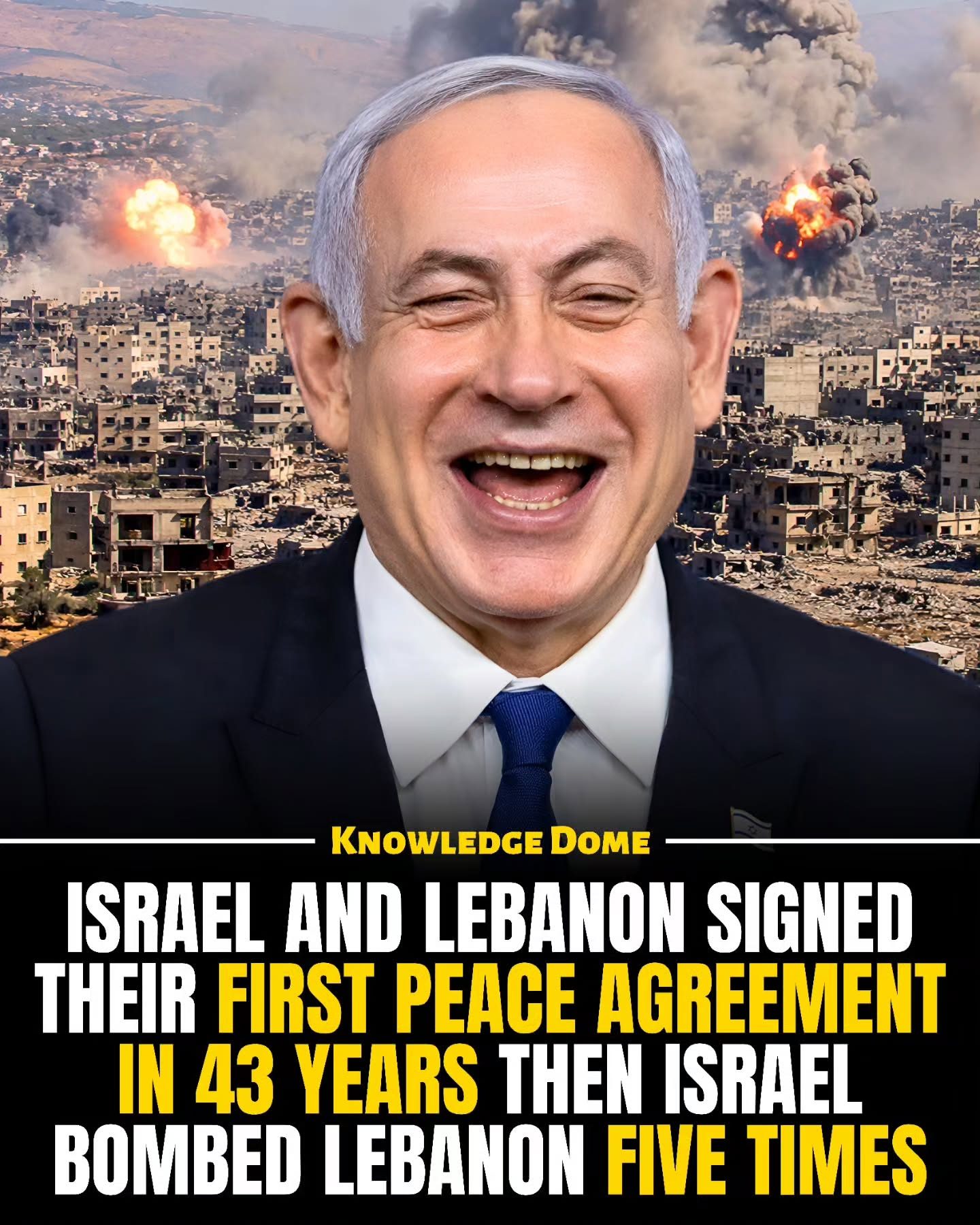
The Complex Path to Peace: Israel, Lebanon, and the 2026 Framework Deal
On June 26, 2026, Israel and Lebanon signed a significant US-brokered framework deal in Washington, D.C. This agreement aimed to pave the way for peace and gradually reduce Israeli military presence in the region. The deal, however, was marred by the absence of Hezbollah, a key player in Lebanese politics, who swiftly rejected the agreement, labeling it a surrender.
This event highlights the intricate and often fraught nature of peace agreements in regions with long-standing conflicts. The deal's signing was marked by high hopes for a more stable future, but the reality on the ground quickly proved otherwise.
Why This Matters
The 2026 framework deal between Israel and Lebanon is a critical moment in the ongoing conflict in the region. Understanding the dynamics at play—including the role of Hezbollah and the Israeli military presence—provides valuable insights into the challenges of achieving lasting peace in conflict zones.
The 2026 Framework Deal: A Closer Look
The US-Brokered Agreement
The agreement signed in Washington, D.C., was a product of extensive negotiations and mediation efforts by the United States. It was designed to address key issues that have long plagued the region, including Israeli military presence and security concerns.
Hezbollah's Role and Rejection
One of the most contentious aspects of the deal was the exclusion of Hezbollah. As a significant political and military force in Lebanon, Hezbollah's rejection of the agreement was a major setback. Hezbollah labeled the deal a surrender, reflecting their unwillingness to compromise on key issues such as their military presence and influence.
Immediate Aftermath
Within the next 24 to 48 hours after the signing of the framework deal, tensions escalated rapidly. Reports from Lebanese state media indicated that Israel carried out several drone and airstrikes in southern Lebanon. These attacks took place in areas such as Nabatieh al-Fawqa and Markaba, resulting in at least one fatality and multiple injuries. The Israeli army justified these actions by claiming that the strikes targeted suspected fighters who posed an immediate threat. They also stated that their forces would remain in the security zone until Hezbollah relinquished its weapons.
The Challenge of Implementation
Tensions and Violence
Despite the signing of the peace framework, the situation on the ground remained highly volatile. The Israeli army's continued presence and the ongoing military actions highlighted the deep-seated issues that the framework deal aimed to address. The violence and tension underscored the difficulty of implementing a peace agreement in a region with such complex and entrenched conflicts.
Israeli Military Presence
The Israeli military's decision to stay in the security zone until Hezbollah disarms is a contentious point. This stance reflects Israel's security concerns but also highlights the mistrust and tension between the parties. The continued military presence and the threat of further airstrikes create an environment of uncertainty and fear, making it challenging to build trust and stability.
Hezbollah's Stance
Hezbollah's rejection of the deal and their continued military activities add another layer of complexity. Their stance reflects their unwillingness to compromise, which is a significant obstacle to achieving peace. Hezbollah's influence in Lebanon and their military capabilities pose a substantial challenge to any peace efforts.
Practical Tips for Peace Efforts
Achieving peace in conflict zones requires a multifaceted approach. Here are some practical tips for peace efforts:
-
Inclusive Negotiations: Ensure that all key stakeholders, including powerful non-state actors like Hezbollah, are involved in the negotiations. Excluding key players can undermine the agreement's legitimacy and effectiveness.
-
Clear Communicative Goals: Clearly define the objectives and expectations of the peace framework to avoid misunderstandings and misinterpretations. Transparent communication can help manage expectations and build trust.
-
Ground-Level Implementation: Focus on implementing the agreement at the grassroots level. Local communities need to see tangible benefits and feel secure for the peace process to gain traction.
-
Stable Security Arrangements: Develop robust security arrangements that address the concerns of all parties involved. This includes gradual reduction of military presence and measures to ensure compliance.
Important Takeaways
The 2026 framework deal between Israel and Lebanon underscores the complexities of achieving peace in conflict zones. Key takeaways include:
-
Inclusion of All Stakeholders: Excluding key players like Hezbollah can derail peace efforts. Inclusive negotiations are crucial for sustainable peace.
-
Immediate Challenges: Even after signing a peace agreement, immediate challenges such as military actions and violence can arise. It is essential to have mechanisms in place to address these issues promptly.
-
Security Concerns: Addressing the security concerns of all parties involved is vital for building trust and ensuring the success of the peace process.
-
Ongoing Efforts: Peace is not achieved overnight. Continued efforts and adaptations are necessary to navigate the complexities and challenges of the region.
Conclusion
The 2026 framework deal between Israel and Lebanon is a poignant reminder of the challenges and complexities in achieving peace in regions with long-standing conflicts. The deal's signing and the subsequent events highlight the need for inclusive negotiations, clear communication, and robust security arrangements. As efforts continue, it is crucial to remain vigilant and adaptable to the evolving dynamics on the ground. The journey to peace is fraught with obstacles, but understanding these complexities is the first step toward a more stable future.
Watch the Reel
Questions readers ask
What are the key points of the 2026 framework deal between Israel and Lebanon?
The 2026 framework deal between Israel and Lebanon aimed to foster peace by gradually reducing Israeli military presence in the region. It was signed in Washington, D.C., with the assistance of the United States and was intended to promote stability and security in the area.
Why was Hezbollah's absence notable at the signing of the peace deal?
Hezbollah's absence was notable because the group is a significant player in Lebanese politics. Its rejection of the deal shortly after it was signed highlighted a major obstacle to the peace process, as Hezbollah labeled the agreement as a surrender, indicating significant opposition to the terms.
What challenges does Hezbollah's rejection pose to the peace process?
Hezbollah's rejection poses significant challenges to the peace process because the group's influence in Lebanon means that any agreement must address its concerns. Without Hezbollah's support, the implementation of the deal could face considerable resistance and potential violence, undermining the prospects for lasting peace.
How has the absence of Hezbollah impacted the prospects of the Israel-Lebanon 2026 peace framework?
The absence of Hezbollah has cast a shadow over the prospects of the 2026 peace framework, as the group's rejection has led to concerns about its enforceability. The agreement's success hinges on the support of key stakeholders, and without Hezbollah on board, achieving a durable peace becomes even more challenging.
What role did the United States play in the 2026 Israel-Lebanon peace deal?
The United States played a significant role in brokering the 2026 peace deal, acting as a mediator between Israel and Lebanon. The signing took place in Washington, D.C., underscoring the U.S.'s involvement in facilitating the negotiations and supporting the framework agreement. However, their presence did not mitigate the rejection of the agreement by Hezbollah.
What are the main hurdles in achieving a lasting peace between Israel and Lebanon?
The main hurdles in achieving a lasting peace include the opposition of influential groups like Hezbollah, whose rejection of the deal undermines its legitimacy. Additionally, the long-standing conflicts and deep-seated tensions between the two nations create a complex environment for peace negotiations, making it difficult to achieve a consensus.
What might be the next steps in the Israel-Lebanon peace process, given Hezbollah's rejection?
Given Hezbollah's rejection, the next steps in the peace process may involve renewed negotiations to address the concerns of all key stakeholders, including Hezbollah. This could entail further dialogue, potential adjustments to the agreement, or alternative frameworks that aim to include the perspectives of influential groups like Hezbollah in order to secure their buy-in.
Recent articles
Fresh deep dives from the latest Reels we unpacked.




Comments
Be the first to comment.