The Geopolitical Dynamics Between Israel, Iran, and the U.S.
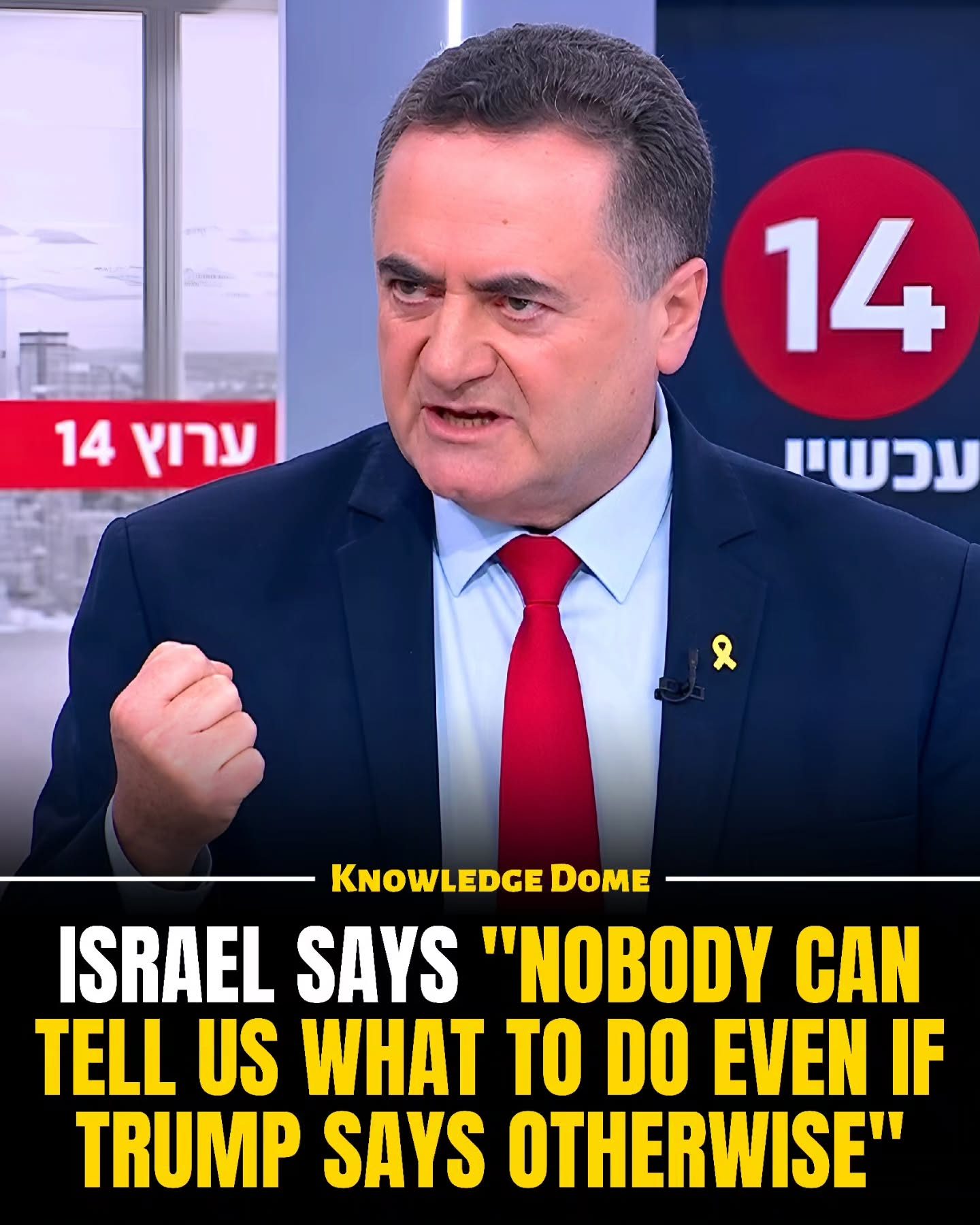
The recent statements by Israeli Defense Minister Israel Katz during a Channel 14 interview have brought the geopolitical tensions in the Middle East back into sharp focus. Katz's firm stance against external influence, particularly from the United States, highlights the complex web of relationships and strategic positions in the region.
Context: The Current Tensions
The current tensions between Israel, Iran, and the United States are centered around a series of military actions and diplomatic moves. Israel's recent strike in Lebanon has sparked a significant response from the United States, particularly from former President Donald Trump. Katz's comments come as a direct rebuttal to Trump's criticism, emphasizing Israel's autonomy and strategic independence.
Iran, meanwhile, remains a critical factor in the region's stability. Recent talks in Switzerland, aimed at reaching a peace deal, were delayed due to the flare-up in Lebanon. This delay underscores the delicate nature of the negotiations and the potential for further escalation.
Israel's Assertion of Autonomy
Israel Katz's statement, "Israel would respond fast and with force if Iran attacks, and he added that no one can tell Israel what to do, even if U.S. President Donald Trump says otherwise," is a clear assertion of Israel's sovereignty and strategic independence. This stance aligns with Israel's long-standing policy of maintaining its defense capabilities and responding to threats without external interference.
The U.S. Perspective
U.S. President Donald Trump's criticism of Israel's strike in Lebanon adds another layer to the complex dynamics. Trump's warning that more fighting could make it harder to move forward with a peace deal with Iran highlights the U.S.'s interest in maintaining stability in the region. The U.S. has a vested interest in ensuring that the peace deal goes through, as it would significantly reduce the threat of nuclear proliferation in the region.
However, Trump's call for the region to calm down while talks are still close shows a different perspective. It indicates a desire to keep the dialogue open and prevent further escalation that could derail the peace process. This stance aims to balance the need for stability with the ongoing negotiations.
The Role of Lebanon
Lebanon has become a focal point in this geopolitical chess game. The flare-up in Lebanon has not only delayed the U.S.-Iran talks but has also added to the overall tension in the region. Israel's strike in Lebanon was seen as a preemptive measure against potential threats, but it has had the unintended consequence of complicating the diplomatic landscape.
The Delicate Balance of Power
The ongoing situation in the Middle East is a delicate balance of power, with each actor trying to assert its influence and security. Iran, Israel, and the United States each have their strategic interests, and the current tensions reflect the ongoing struggle for dominance.
Israel's stance is one of defending its sovereignty and security, even if it means defying external criticism. Iran, on the other hand, is likely to see Israel's actions as a threat to its own interests and regional ambitions.
Practical Tips for Navigating Geopolitical Tensions
For those interested in understanding the geopolitical dynamics in the Middle East, it's essential to stay informed about the key players and their strategic interests. Paying attention to official statements, military actions, and diplomatic moves can provide valuable insights into the evolving situation.
Important Takeaways
The geopolitical tensions in the Middle East are complex and multifaceted, with each actor having its strategic interests. Israel's stance on defending its sovereignty, Trump's calls for stability, and the role of Lebanon in the ongoing conflicts all highlight the delicate balance of power in the region. Understanding the key players and their positions is crucial for navigating the current geopolitical landscape.
Conclusion
The current tensions between Israel, Iran, and the United States reflect a complex web of strategic interests and power dynamics. Israel's assertion of autonomy, Trump's calls for stability, and the role of Lebanon in the ongoing conflicts all underscore the delicate balance of power in the region. Staying informed about these dynamics is essential for understanding the evolving geopolitical landscape and the potential for future developments.
Watch the Reel
Questions readers ask
Why did Israel's Defense Minister respond to former President Trump's comments on Middle East tensions?
Israel Defense Minister Israel Katz responded to Donald Trump's comments to assert Israel's autonomy in defending itself against regional threats, particularly from Iran. Katz's comments served to clarify that Israel does not need external validation for its security measures. By directly addressing Trump, Katz aimed to communicate that Israel will navigate its own defense strategy.
What are the main points of contention in the current Israel-Iran conflict?
The recent tensions escalate from military actions and diplomatic moves, including Israel's strike in Lebanon. Israel views Iran as a significant regional threat, while Iran sees Israel's actions as provocative. The conflict is further complicated by the stance the United States takes on these issues, with recent comments by Donald Trump adding to the geopolitical complexity.
How does Israel's Defense Minister view the United States' influence on Middle East defense policy?
Israel's Defense Minister Israel Katz has expressed a defiant stance against external influence, including that from the United States. Katz's recent statements indicate that Israel prioritizes its own security policies and will not be swayed by U.S. criticism. This perspective underscores Israel's determination to manage its defense strategy independently.
What role does Lebanon play in the geopolitical dynamics between Israel and Iran?
Lebanon has become a focal point in the Israel-Iran conflict due to recent military actions. Israel's strike in Lebanon has drawn responses from various actors, including the United States. This has added complexity to the geopolitical landscape, as Lebanon's relations with Iran further complicate the regional dynamics.
What U.S. influence has caused Israel to react to U.S. president Trump's statements?
Folmer President Trump's critical comments on Israel's defense policies have prompted a firm response from Israel Katz. Trump's statements were seen as interference in Israel's internal security measures, leading Katz to emphasize that Israel will continue to defend itself against threats in accordance with its own strategic assessments.
What is the significance of Israel Katz's recent statements on regional threats?
Israel Katz's recent statements underscore Israel's commitment to addressing significant regional threats, particularly those from Iran. By emphasizing the need for a strong defense strategy, Katz aims to reassure both the Israeli public and international observers that Israel is prepared to confront and mitigate these challenges.
What is the purpose of Israel's defense strategy in the Middle East?
Israel's defense strategy is designed to protect the country from a variety of regional threats, with a particular focus on Iran. This strategy includes both military actions and diplomatic efforts to ensure Israel's security. By navigating complex geopolitical dynamics, Israel seeks to maintain its sovereignty and address threats in a manner that aligns with its own interests.
Recent articles
Fresh deep dives from the latest Reels we unpacked.




Comments
Be the first to comment.