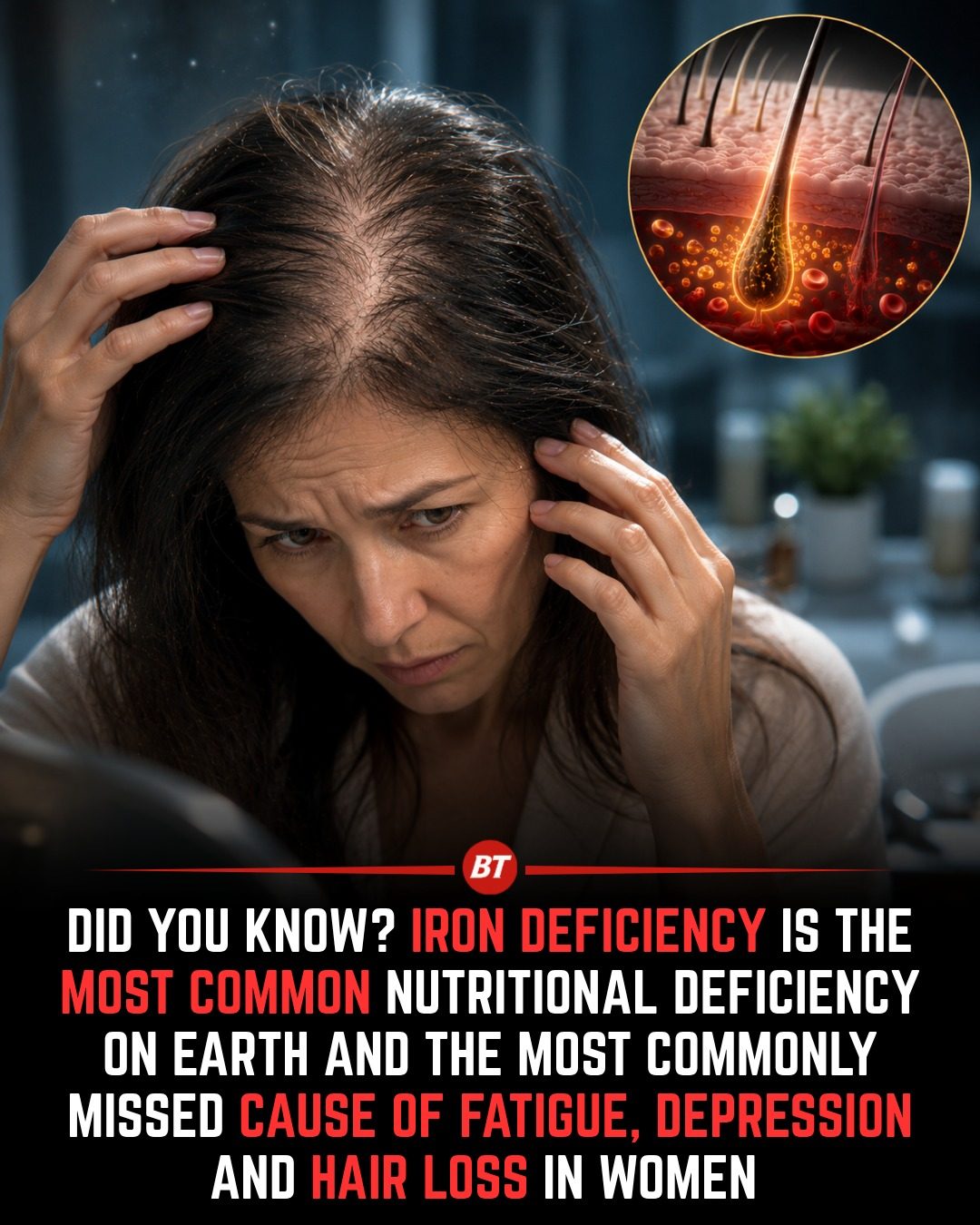
Hair Loss and Nutritional Deficiency: The Hidden Link
Iron deficiency is the most common nutritional deficiency globally, and it's often an overlooked cause of persistent fatigue, hair shedding, poor concentration, and low mood, especially in women. This deficiency is not just about feeling tired; it has far-reaching effects on overall health, including hair loss.
Context
Iron is a crucial component of hemoglobin, the protein found in red blood cells responsible for carrying oxygen throughout the body. When iron stores deplete, tissues receive less oxygen, leading to fatigue, weakness, shortness of breath, and mental exhaustion, even after adequate sleep. Women are particularly susceptible due to menstrual blood loss, pregnancy, and increased iron requirements during their reproductive years.
Why This Matters
Iron deficiency is more than just a minor inconvenience; it can significantly impact quality of life. It's been linked to diffuse hair shedding, as hair follicles are among the first tissues to slow their growth when the body lacks sufficient iron. This makes it essential to recognize the symptoms and address the underlying causes promptly.
The Prevalence of Iron Deficiency
A 2023 review published in Nutrients highlighted iron deficiency as the most prevalent micronutrient deficiency worldwide, affecting billions of people. Correcting iron deficiency can improve energy levels, physical performance, cognitive function, and overall quality of life. However, symptoms often mimic other conditions like stress, burnout, thyroid disorders, or depression, making it easy to overlook unless specific blood tests are performed.
The Connection Between Iron Deficiency and Hair Loss
Iron deficiency can lead to diffuse hair shedding, a condition where hair thins out gradually across the scalp. Hair follicles are particularly sensitive to iron levels; when the body lacks iron, it prioritizes essential organs over hair production, leading to slower hair growth and eventual hair loss.
Symptoms of Iron Deficiency
Persistent fatigue, hair shedding, poor concentration, and low mood are common symptoms of iron deficiency. These symptoms can be subtle and often go unnoticed, making it crucial to be aware of the signs and seek medical advice if necessary. Women, in particular, should pay attention to heavy menstrual periods, as this can be a significant contributor to iron deficiency.
Diagnosing Iron Deficiency
If you experience ongoing fatigue, unexplained hair loss, or heavy menstrual periods, it's essential to speak with your healthcare provider about checking your hemoglobin and ferritin levels. These tests will help determine if iron deficiency is the underlying cause of your symptoms.
Practical Tips
Boosting Iron Intake
To support healthy iron intake, include the following foods in your diet:
- Lean Red Meat: A rich source of heme iron, which is more easily absorbed by the body.
- Chicken Liver: High in iron and other essential nutrients.
- Oysters: Another excellent source of heme iron.
- Lentils and Beans: Plant-based sources of iron.
- Spinach: Rich in iron and other vital nutrients.
- Pumpkin Seeds: A good source of plant-based iron.
Improving Iron Absorption
Pairing plant-based iron sources with vitamin C-rich foods can enhance iron absorption. Foods rich in vitamin C include:
- Citrus Fruits: Oranges, lemons, and grapefruits.
- Strawberries: A delicious and nutritious source of vitamin C.
- Bell Peppers: Especially red and yellow varieties.
Important Takeaways
Understanding the link between iron deficiency and hair loss is crucial for maintaining overall health. Recognizing the symptoms, seeking proper diagnosis, and addressing the deficiency can significantly improve energy levels, mental clarity, and hair health.
When to Seek Medical Advice
If you suspect iron deficiency, consult a healthcare provider. Blood tests for hemoglobin and ferritin levels can confirm the deficiency and guide appropriate treatment. Early intervention can prevent long-term complications and improve your quality of life.
The Role of Nutrition
A balanced diet rich in iron and vitamin C can support healthy iron levels and prevent deficiency. Incorporating lean meats, poultry, seafood, and plant-based sources of iron, along with vitamin C-rich foods, can help maintain optimal iron levels and support overall health.
Conclusion
Iron deficiency is a widespread and often overlooked condition that can significantly impact health, including hair loss. Recognizing the symptoms, seeking medical advice, and adopting a balanced diet can prevent and address this common deficiency. By understanding the role of iron in the body and its connection to hair health, you can take proactive steps to maintain your well-being.
Watch the Reel
Questions readers ask
How does iron deficiency contribute to hair loss, especially in women?
Iron deficiency can lead to hair loss in women by reducing the oxygen supply to hair follicles. When iron stores are low, the body prioritizes vital organs over less essential functions like hair growth, leading to increased hair shedding. Women are particularly affected due to menstrual blood loss and increased iron demands during pregnancy.
What are the early signs of iron deficiency that might indicate a risk for hair loss?
Early signs of iron deficiency include persistent fatigue, weakness, shortness of breath, and mental exhaustion. Additionally, symptoms such as pale skin, frequent headaches, and brittle nails may indicate a risk of hair loss. If you experience these symptoms, it's a good idea to consult a healthcare provider for a blood test.
Which blood tests can determine if iron deficiency is causing hair loss?
Blood tests that can determine if iron deficiency is causing hair loss include a complete blood count (CBC), serum ferritin test, and serum iron test. A CBC measures the number of red blood cells and hemoglobin, while the serum ferritin test assesses the body's iron stores. A serum iron test measures the amount of iron in the blood.
What are some effective treatments for iron deficiency to prevent hair loss?
Effective treatments for iron deficiency to prevent hair loss include dietary changes and iron supplements to boost iron levels. Consuming iron-rich foods such as red meat, poultry, fish, beans, and dark leafy greens can help. Iron supplements, available in various forms, can also be prescribed by a doctor to restore iron levels more quickly.
Can low iron levels lead to other health issues besides hair loss?
Yes, low iron levels can lead to other health issues besides hair loss. These include anemia, which causes fatigue and weakness, and even depression. Low iron levels can also affect cognitive function, leading to poor concentration and mental exhaustion. It's essential to address iron deficiency promptly to prevent these complications.
Are there specific nutrients that can enhance the effects of iron supplementation for hair health?
Yes, there are specific nutrients that can enhance the effects of iron supplementation for hair health, including vitamin C, which boosts iron absorption. Foods rich in vitamin C, such as citrus fruits, strawberries, and bell peppers, can be particularly beneficial. Additionally, consuming foods high in vitamin B12 and folate, such as leafy greens and fortified cereals, can support overall hair health.
How long does it typically take to see improvements in hair loss after treating iron deficiency?
The timeline for seeing improvements in hair loss after treating iron deficiency can vary. With consistent iron supplementation and a balanced diet, some people may notice improvements within 3-6 months. However, it can take up to a year or more for significant hair regrowth, as hair follicles need time to recover and resume normal growth cycles. It's important to be patient and continue treatment as advised by a healthcare provider.
Related deep dives
Similar reads based on topic and creator.




Recent articles
Fresh deep dives from the latest Reels we unpacked.




Comments
Be the first to comment.