Iron Deficiency and Hair Health
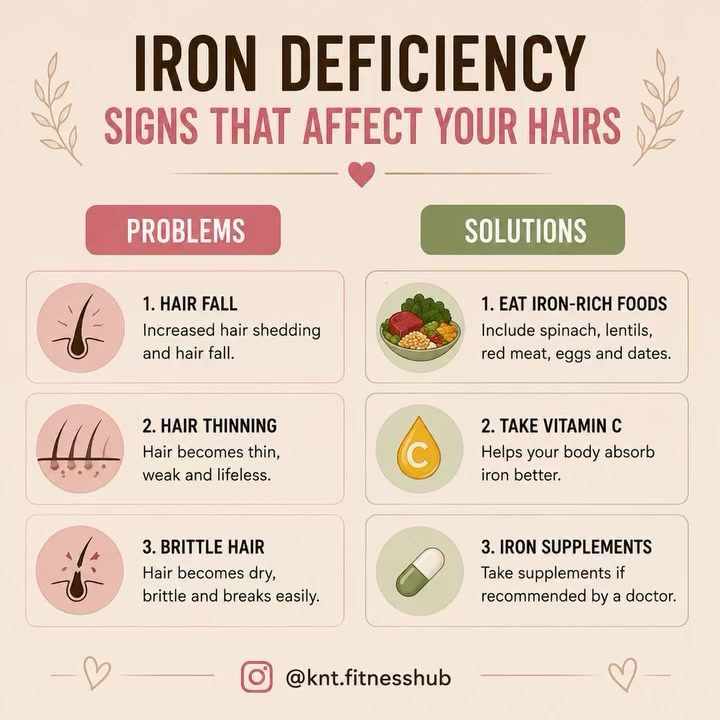
Iron deficiency can manifest in various ways, affecting not just overall health but also the condition of your hair. If you're experiencing hair fall, thinning, or brittle hair, it might be a sign that your body isn't getting enough iron. Iron plays a crucial role in carrying oxygen to your hair follicles, which is essential for healthy hair growth. Let's delve into the specifics of how iron deficiency impacts hair health and what you can do to address it.
Why This Matters
Understanding the link between iron deficiency and hair health is important for anyone experiencing hair issues. Iron is a vital mineral that supports various bodily functions, including the production of hemoglobin, which carries oxygen in the blood. When there's a shortage of iron, the body struggles to maintain healthy cells, including those in the hair follicles. This can lead to a range of hair problems that are not only frustrating but can also affect self-esteem.
Hair Problems Caused by Iron Deficiency
Hair Fall
One of the most noticeable signs of iron deficiency is increased hair shedding and hair fall. Iron helps in the production of red blood cells, which are responsible for delivering oxygen to the hair follicles. Without sufficient oxygen, the hair follicles become weak, leading to hair loss. This type of hair fall is often diffuse, meaning it occurs all over the scalp rather than in specific patches.
Hair Thinning
Iron deficiency can also cause hair to become thin, weak, and lifeless. This happens because the hair follicles are not getting enough oxygen and nutrients to produce strong, healthy hair. As a result, the hair strands become finer and more prone to breakage, leading to an overall thinning effect.
Brittle Hair
Another common issue is brittle hair that breaks easily. Iron deficiency can make your hair dry and brittle, which increases the likelihood of breakage. This can be particularly frustrating, as it not only affects the appearance of your hair but also makes it difficult to style and manage.
Solutions for Iron Deficiency
Eat Iron-Rich Foods
One of the best ways to combat iron deficiency is by incorporating iron-rich foods into your diet. Foods like spinach, lentils, red meat, eggs, and dates are excellent sources of iron. These foods can help replenish your iron levels and support healthy hair growth.
Take Vitamin C
Vitamin C plays a crucial role in enhancing the absorption of iron in the body. Foods rich in vitamin C, such as citrus fruits, berries, and bell peppers, can help your body absorb iron more efficiently. Pairing iron-rich foods with vitamin C-rich foods can maximize the benefits of your diet.
Consider Iron Supplements
In some cases, dietary changes may not be enough to correct an iron deficiency. If you suspect that you have an iron deficiency, it’s important to consult with a healthcare professional. They can assess your iron levels and recommend appropriate iron supplements, if necessary. Never start taking iron supplements without medical advice, as excessive iron can be harmful.
Practical Tips
Balance Your Diet
A balanced diet is key to maintaining healthy hair. Incorporate a variety of nutrient-rich foods into your meals to ensure that you are getting all the essential vitamins and minerals your body needs. This includes not only iron but also other nutrients like protein, zinc, and omega-3 fatty acids, which are all crucial for hair health.
Monitor Your Health
Pay attention to your body's signals. If you notice persistent hair problems, it could be a sign of an underlying health issue, such as iron deficiency. Regular health check-ups and blood tests can help you stay on top of your health and address any deficiencies early on.
Consult a Professional
If you are experiencing significant hair loss or other symptoms of iron deficiency, it’s important to seek professional help. A healthcare provider can perform a blood test to determine your iron levels and recommend appropriate treatments. This could include dietary changes, supplements, or other interventions based on your specific needs.
Important Takeaways
Iron deficiency can have a significant impact on your hair health. Recognizing the signs, such as increased hair fall, thinning, and brittle hair, is the first step in addressing the issue. By incorporating iron-rich foods into your diet, taking vitamin C to enhance absorption, and considering iron supplements under medical guidance, you can support your hair's health and overall well-being.
Conclusion
Taking care of your hair health starts with understanding the underlying factors that affect it. Iron deficiency is a common yet often overlooked cause of hair problems. By making informed dietary choices, staying vigilant about your health, and consulting professionals when needed, you can address iron deficiency and promote healthier, stronger hair.
Watch the Reel
Questions readers ask
How does iron deficiency contribute to hair fall and thinning?
Iron deficiency can lead to hair fall and thinning because iron is essential for carrying oxygen to the hair follicles. Without adequate iron, the follicles do not receive the necessary nutrients, leading to weak hair that falls out or becomes thin.
What are the best foods to consume for improving iron levels and hair health?
Incorporating iron-rich foods into your diet, such as lentils, spinach, meat, and eggs, can help improve iron levels. Additionally, foods high in vitamin C, like citrus fruits, can enhance iron absorption, further aiding in maintaining healthy hair.
Can iron supplements help with hair loss due to iron deficiency?
Iron supplements can be beneficial for addressing hair loss caused by iron deficiency. However, it is important to consult a healthcare provider before starting any supplement regimen to ensure it is necessary and safe for your specific health situation.
What are the symptoms of iron deficiency that might indicate hair health issues?
Symptoms of iron deficiency, such as fatigue, weakness, and shortness of breath, can indicate that your body is not getting enough iron. These symptoms, along with noticeable hair changes like increased hair fall and thinning, should prompt a visit to a healthcare professional.
How does vitamin C aid in improving iron levels for better hair health?
Vitamin C plays a crucial role in enhancing the absorption of iron from plant-based sources. By consuming foods rich in vitamin C, such as bell peppers, strawberries, and broccoli, alongside iron-rich foods, you can improve your body's ability to utilize the iron for better hair health.
What are some effective solutions for hair fall related to iron deficiency?
Addressing hair fall related to iron deficiency involves increasing your iron intake through diet or supplements, as well as other lifestyle changes. Consulting a healthcare provider for a proper diagnosis and treatment plan can help ensure you are addressing the deficiency effectively.
How does iron deficiency affect hair texture and strength?
Iron deficiency can cause hair to become brittle and weak. This is because iron is necessary for the production of hemoglobin, which transports oxygen to hair follicles. Without sufficient iron, the hair follicles do not receive enough oxygen, leading to dry, brittle, and weak hair.
Related deep dives
Similar reads based on topic and creator.


Recent articles
Fresh deep dives from the latest Reels we unpacked.



Comments
Be the first to comment.