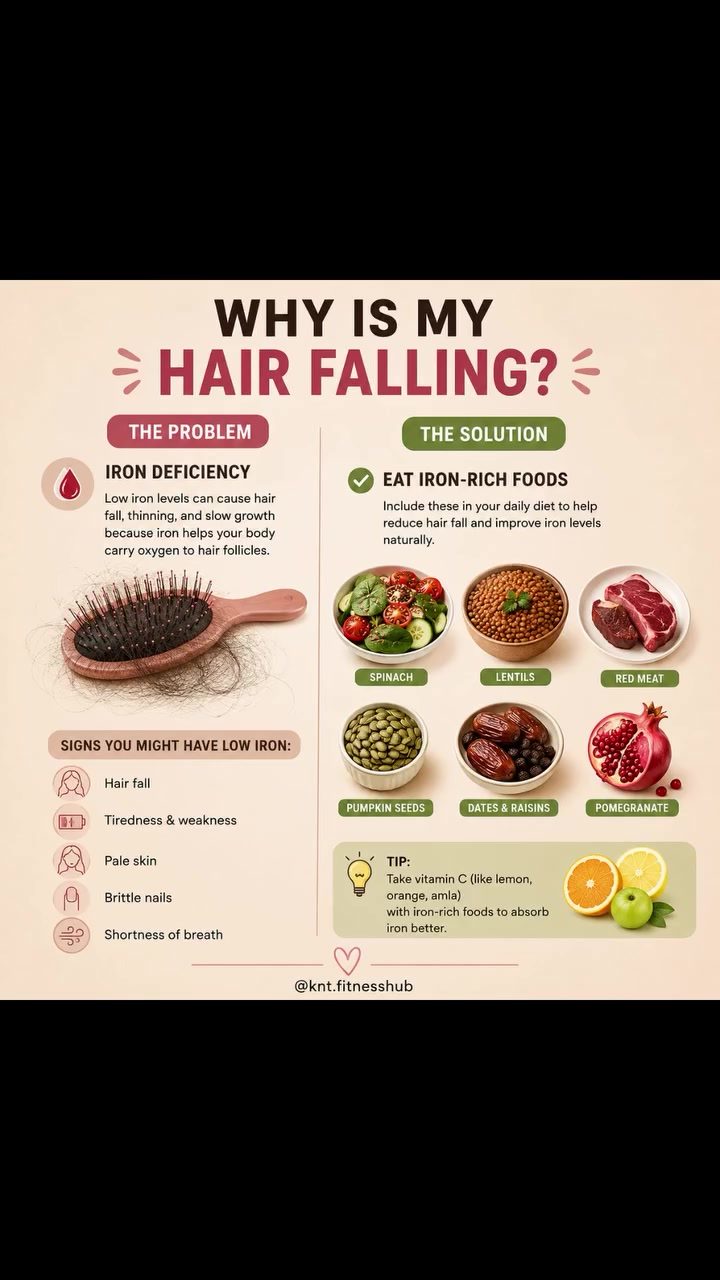
Iron Deficiency and Hair Loss
Iron deficiency can have a significant impact on hair health, leading to hair fall, thinning, and slow growth. Understanding the connection between iron levels and hair health is crucial for maintaining a healthy head of hair.
What is iron deficiency?
Iron is an essential mineral that plays a vital role in the body. It helps carry oxygen to hair follicles, which is necessary for healthy hair growth. When iron levels are low, the body cannot efficiently transport oxygen to the hair follicles, leading to various hair problems.
Why does iron deficiency cause hair loss?
Iron deficiency can cause hair loss, thinning, and slow growth because iron helps your body carry oxygen to hair follicles. Hair follicles require a consistent supply of oxygen and nutrients to produce healthy hair. Without enough iron, the hair follicles become weakened, leading to hair fall and slow hair growth.
How to tell if you have low iron levels
Several signs indicate that you might have low iron levels. These include:
- Persistent hair fall
- Chronic fatigue and weakness
- Pale skin
- Brittle nails
- Shortness of breath
If you experience any of these symptoms, it is essential to consult a healthcare provider to check your iron levels.
How to boost your iron levels
Incorporate iron-rich foods into your diet
One of the most effective ways to boost your iron levels is by incorporating iron-rich foods into your daily diet. Some excellent sources of iron include:
- Spinach: This leafy green is packed with iron and other essential nutrients. It can be added to salads, smoothies, or cooked as a side dish.
- Lentils: These legumes are not only rich in iron but also high in protein and fiber. They can be used in soups, stews, or as a base for vegetarian dishes.
- Red meat: Red meat is a great source of heme iron, which is more easily absorbed by the body. Opt for lean cuts of beef, pork, or lamb to incorporate red meat into your diet.
- Pumpkin seeds: These seeds are a delicious and nutritious snack that is high in iron. They can also be added to salads, yogurt, or oatmeal.
- Dates and raisins: These dried fruits are not only sweet and tasty but also rich in iron. They can be enjoyed as a snack or added to baked goods.
- Pomegranate: This fruit is packed with antioxidants and iron. The seeds can be sprinkled on salads, yogurt, or eaten as a snack.
Pair iron-rich foods with vitamin C
Vitamin C helps improve iron absorption, so it's beneficial to pair iron-rich foods with sources of vitamin C. Foods rich in vitamin C include:
- Lemons
- Oranges
- Amla (Indian gooseberry)
Including these foods in your meals can enhance the absorption of iron and help boost your iron levels more effectively.
Consider iron supplements
If lifestyle and dietary changes are not enough to boost your iron levels, consider taking iron supplements. However, it is essential to consult a healthcare provider before starting any new supplement regimen. They can help determine the appropriate dosage and monitor your iron levels to ensure you are getting the necessary amount.
Practical Tips
Monitor your iron levels regularly
Regular check-ups with your healthcare provider can help monitor your iron levels and detect any deficiencies early. This is especially important if you are at a higher risk of iron deficiency, such as women of childbearing age, vegetarians, or individuals with certain medical conditions.
Eat a balanced diet
A balanced diet rich in various nutrients, including iron, is essential for overall health and hair growth. Include a variety of iron-rich foods in your diet, along with other essential vitamins and minerals, to support healthy hair growth.
Stay hydrated
Proper hydration is crucial for maintaining healthy hair. Drinking enough water helps keep the hair follicles hydrated and supports healthy hair growth. Aim for at least 8 glasses of water per day to stay hydrated.
Important Takeaways
Iron deficiency can significantly impact hair health, leading to hair fall, thinning, and slow growth. Incorporating iron-rich foods like spinach, lentils, red meat, pumpkin seeds, dates, and pomegranate into your diet can help boost your iron levels and support healthy hair growth. Pairing these foods with vitamin C can enhance iron absorption, making it more effective.
Regularly monitoring your iron levels, eating a balanced diet, and staying hydrated are essential for maintaining healthy hair and preventing iron deficiency-related hair problems.
Conclusion
Iron deficiency is a common issue that can have a significant impact on hair health. By understanding the connection between iron levels and hair health, you can take proactive steps to boost your iron levels and support healthy hair growth. Incorporating iron-rich foods into your diet, pairing them with vitamin C, and staying hydrated are practical ways to maintain healthy hair and prevent hair loss.
Watch the Reel
Questions readers ask
How does iron deficiency contribute to hair thinning and loss?
Iron deficiency impairs the body's ability to transport oxygen to hair follicles, which are crucial for healthy hair growth. Without adequate oxygen, hair follicles become weak, leading to increased hair fall and thinning. Additionally, low iron levels can lead to slowed hair growth and dull, brittle hair.
What are the common symptoms of low iron levels?
Symptoms of low iron levels, or iron deficiency, can include fatigue, weakness, shortness of breath, and hair loss. In the context of hair health, you may notice increased hair fall, thinning hair, and slowed hair growth. Some people may also experience brittle nails and pale skin.
Which foods can help boost iron levels for better hair health?
Foods rich in iron include red meat, poultry, fish, beans, dark leafy greens like spinach, and dried fruits such as dates. Pumpkin seeds and fortified cereals are also good sources. Incorporating these into your diet can help boost your iron levels and support healthier, stronger hair.
How can vitamin C help with iron absorption for hair health?
Vitamin C enhances the absorption of iron, particularly from non-heme sources like plants. Consuming vitamin C-rich foods, such as citrus fruits, bell peppers, and strawberries, alongside iron-rich foods can help your body absorb more iron, promoting better hair health and potentially reducing hair loss.
What are the best food combinations to maximize iron absorption for hair loss prevention?
To maximize iron absorption, pair iron-rich foods with vitamin C-rich foods. For example, you can combine spinach (iron-rich) with bell peppers (vitamin C-rich) in a salad. Another good combination is red meat (iron-rich) with a side of strawberries (vitamin C-rich). These combinations can help improve iron absorption and support hair health.
Can consuming pumpkin seeds help with iron deficiency and hair loss?
Pumpkin seeds are a good source of iron and can contribute to boosting your iron levels. Additionally, they contain other beneficial nutrients like zinc and magnesium, which also support hair health. Including pumpkin seeds in your diet, either as a snack or in meals, can be a tasty way to help combat iron deficiency and promote healthier hair.
How long does it take to see improvements in hair health after increasing iron intake?
The timeline for seeing improvements in hair health after increasing iron intake can vary from person to person. Generally, it may take a few months to notice a significant reduction in hair fall and an improvement in hair thickness and growth. This is because hair has a growth cycle, and it takes time for new, healthier hair to grow in and replace the lost or weakened strands.
Related deep dives
Similar reads based on topic and creator.

Recent articles
Fresh deep dives from the latest Reels we unpacked.



Comments
Be the first to comment.