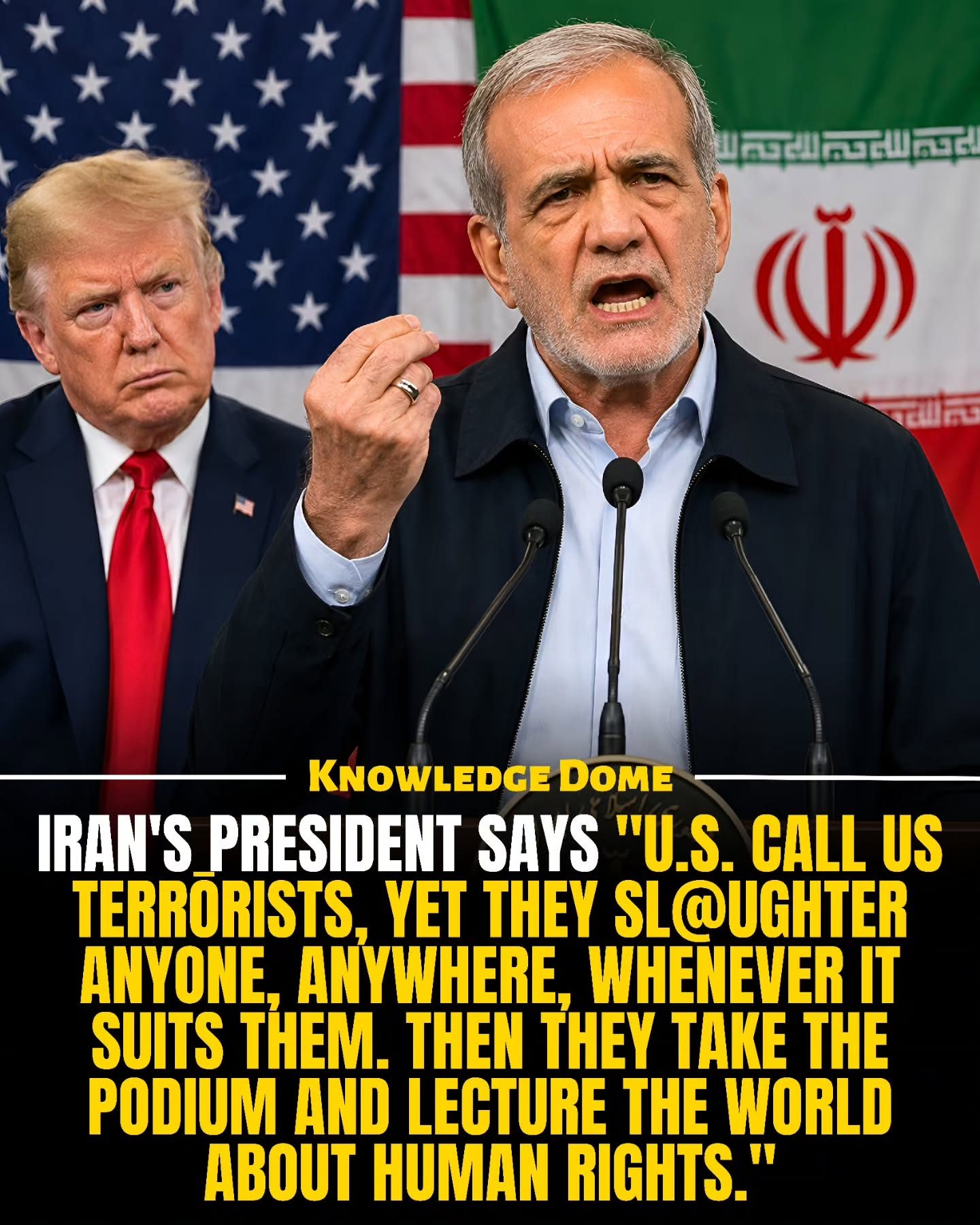
Iranian President Masoud Pezeshkian's Strong Stance Against U.S. and Israel
Iranian President Masoud Pezeshkian delivered a forceful speech in April 2026, criticizing the United States and Israel for their policies and actions in the Middle East. He addressed several key issues, including the labeling of Iran as a terrorist state, military strikes on civilian targets, and the perceived double standards in Western foreign policy. Pezeshkian also emphasized Iran's commitment to diplomacy while asserting its sovereignty.
Why This Matters
The statements by President Pezeshkian come at a time when geopolitical tensions in the Middle East are high. His remarks highlight the ongoing complexities and controversies in the region, particularly concerning U.S.-Iran relations and the broader implications of Western policies. Understanding these statements provides insight into Iran's stance on international affairs and its approach to diplomacy and sovereignty.
Main Discussion
Criticism of Western Policies
Pezeshkian accused the U.S. and Israel of causing death and destruction in the region, asserting that these actions are often justified under the guise of national security. He argued that Western countries, particularly the United States, often lecture other nations about human rights while simultaneously engaging in military actions that result in significant civilian casualties. This perceived hypocrisy was a central point in his remarks, as he highlighted the moral inconsistencies in the actions of these countries.
Military Strikes and Civilian Casualties
A significant part of Pezeshkian's speech focused on the human cost of military conflicts. He condemned recent military strikes that affected civilian infrastructure such as hospitals and schools, emphasizing the devastating impact on civilians. These actions, according to Pezeshkian, undermine the very principles of human rights that Western countries claim to uphold. He urged the international community to hold these countries accountable for their actions and to recognize the harm they cause.
Double Standards in Foreign Policy
One of the most striking points made by Pezeshkian was the double standard he perceived in Western foreign policy. He criticized Western nations for providing advanced weapons to countries involved in regional conflicts, which are then used to cause further destruction. This, he argued, is a form of indirect support for violence, despite the rhetoric about promoting peace and human rights. The dichotomy between words and actions was a recurring theme in his speech.
Iran's Stance on Diplomacy and Sovereignty
While Pezeshkian was strongly critical of Western policies, he also made it clear that Iran prefers diplomatic solutions over war. He emphasized that Iran is open to dialogue and peaceful negotiations but will not back down in the face of pressure or threats. This dual approach reflects a strategic balance between assertiveness and diplomatic engagement, aiming to protect Iran’s sovereignty and interests.
The Importance of Sovereignty
Iran's commitment to protecting its sovereignty was another key theme. Pezeshkian reiterated that Iran will not yield to external pressures or threats, particularly from the United States. He emphasized the importance of sovereignty as a fundamental principle, asserting that Iran's actions and policies are guided by its national interests and the welfare of its people. This stance reflects a broader narrative of resistance to Western intervention in the region.
Practical Tips
For policymakers and analysts, several practical steps can be taken to better understand and navigate the complex dynamics highlighted by Pezeshkian's speech:
Enhanced Diplomatic Engagement
Engage in meaningful dialogue with all stakeholders, including Iran, to address regional conflicts and promote peace. Open and honest communication can help bridge the gaps in understanding and mistrust.
Balanced Foreign Policy
Avoid double standards in foreign policy by ensuring that actions align with stated principles. This includes revisiting policies that contribute to regional instability and promoting human rights consistently.
Humanitarian Considerations
Prioritize civilian protection in military actions and ensure that humanitarian principles are upheld. This includes avoiding strikes on civilian targets and providing aid to affected populations.
Important Takeaways
Pezeshkian's speech provides several important takeaways:
- The perceived hypocrisy in Western policies, particularly those of the U.S. and Israel, is a significant point of contention in the Middle East.
- Military actions that result in civilian casualties are a major concern and undermine the credibility of those nations promoting human rights.
- Diplomacy and dialogue are preferred over military conflict, but sovereignty and national interests are non-negotiable.
- The international community must hold all parties accountable for their actions and promote consistent adherence to humanitarian principles.
Conclusion
Iranian President Masoud Pezeshkian's speech in April 2026 underscores the complex and often contentious nature of U.S.-Iran relations and the broader geopolitical dynamics in the Middle East. His critical assessment of Western policies and emphasis on diplomacy and sovereignty offer a nuanced perspective on the region's challenges. By addressing these issues, policymakers, diplomats, and analysts can work towards a more balanced and peaceful resolution of conflicts, while respecting the principles of sovereignty and human rights.
Watch the Reel
Questions readers ask
What are the main points of criticism by Iranian President Masoud Pezeshkian towards U.S. and Israeli policies in the Middle East?
Iranian President Masoud Pezeshkian criticized the United States and Israel for labeling Iran as a terrorist state and for conducting military strikes on civilian targets in the Middle East. He also highlighted what he perceives as double standards in Western foreign policy, and the devastating impact of these actions on civilian populations.
Why is the timing of President Pezeshkian's speech significant?
The speech was delivered in April 2026, a time when geopolitical tensions in the Middle East are high. This timing underscores the urgency and relevance of the issues Pezeshkian addressed, including U.S.-Iran relations and broader regional controversies.
What is Iran's stance on sovereignty and diplomacy, as emphasized by President Pezeshkian?
President Pezeshkian emphasized Iran's commitment to diplomacy while asserting its sovereignty. This stance reflects Iran's efforts to engage in diplomatic efforts while maintaining its independence and territorial integrity, despite the challenges posed by regional tensions.
What are some of the human rights issues highlighted by President Pezeshkian's condemnation of U.S. and Israeli policies?
While the article does not list the specific human rights issues raised, President Pezeshkian's condemnation of military actions on civilian targets implies concerns about civilian casualties, disruptions to civilian life, and other human rights impacts resulting from these policies and actions.
What is the significance of President Pezeshkian's focus on the impact of military actions on civilian populations?
By highlighting the devastating impacts of military actions on civilian populations, President Pezeshkian draws attention to the human cost of conflict and the importance of protecting civilians, which is a key principle of international humanitarian law.
How does President Pezeshkian's speech reflect Iran's broader geopolitical strategy?
The speech indicates Iran's strategy of maintaining a strong stance against perceived injustices while advocating for diplomacy and sovereignty. This approach aims to assert Iran's influence in the region and respond to the perceived threats posed by U.S. and Israeli policies.
What is the role of diplomacy in Iran's approach to Middle East tensions, according to President Pezeshkian?
Diplomacy plays a central role in Iran's approach to Middle East tensions, as emphasized by President Pezeshkian. Iran seeks to engage in diplomatic efforts to resolve conflicts and address regional issues, while also asserting its sovereignty and responding to what it perceives as threats and injustices.
Recent articles
Fresh deep dives from the latest Reels we unpacked.




Comments
Be the first to comment.