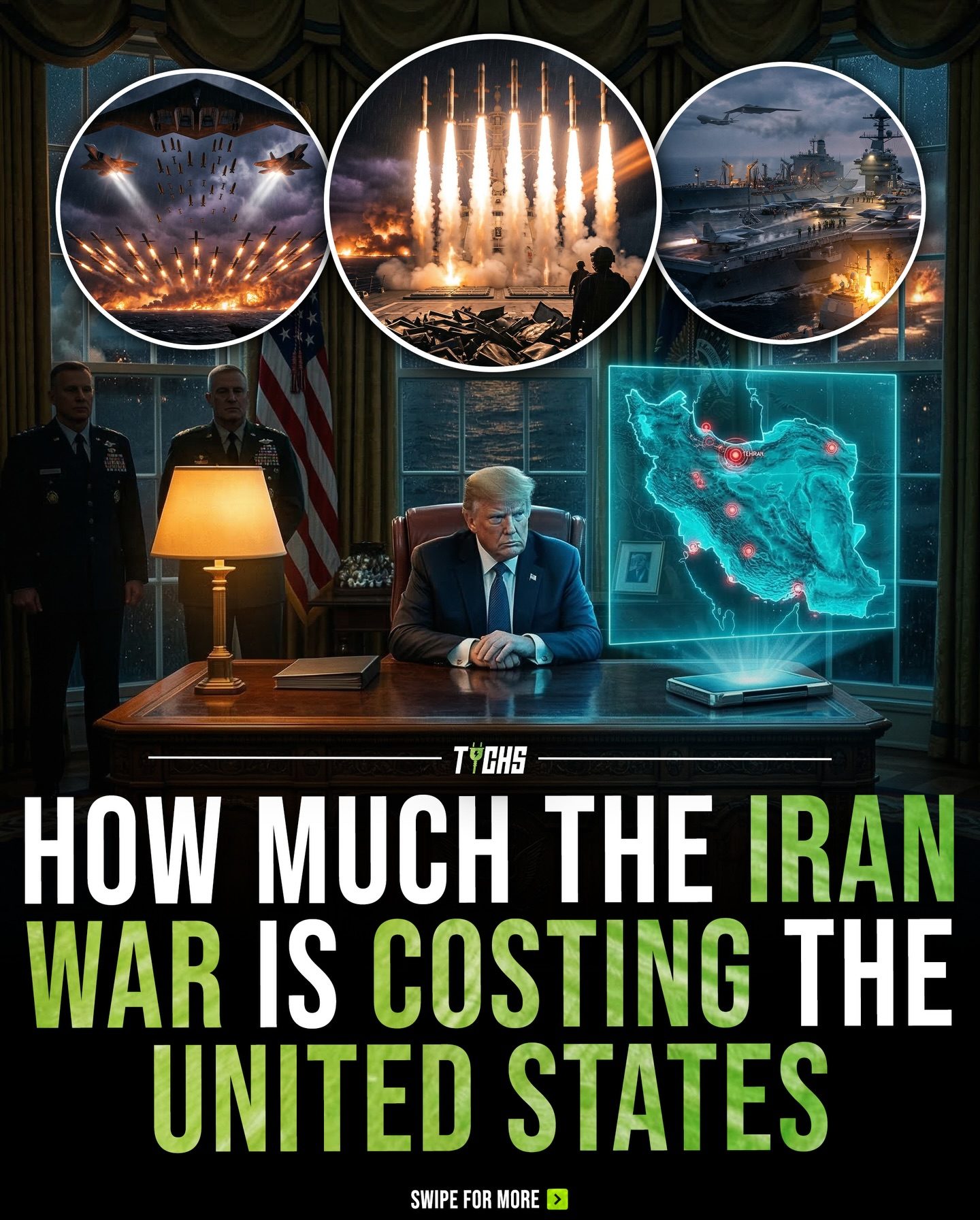
The Cost of the Iran War: A Breakdown of Financial Implications
Modern warfare is an expensive endeavor, and the conflict with Iran is no exception. The financial burden of sustained military operations, coupled with the advanced weaponry and defense systems, can quickly escalate to billions. This cost is not limited to weaponry; it includes a wide array of logistical, operational, and personnel expenses.
Context / Why this matters
Understanding the financial aspect of military conflicts is crucial for grasping the broader implications on national budgets and economies. The Iran War, as highlighted by TYCHS in their detailed infographic, showcases how quickly costs can escalate. Pentagon estimates suggest that within the first six days of operations, the war cost crossed $11.3 billion. This staggering figure underscores the enormous financial resources required to sustain high-intensity conflicts.
Main discussion
Direct Costs of Military Operations
The direct costs of military operations involve a wide range of expenses, from advanced weaponry to logistical support. One of the most significant contributors to the financial burden is the use of precision weapons and defense systems. Take, for instance, the THAAD (Terminal High Altitude Area Defense) interceptor missile, which costs about $12-15 million each. These systems are crucial for ballistic missile defense, but their high cost adds significantly to the overall financial burden. Similarly, the Patriot missile system and Tomahawk cruise missiles are also extremely expensive, costing millions per interceptor and strike, respectively.
Additionally, the constant need for airstrikes, fuel, and logistical support drives up military spending. The deployment of troops, maintenance of equipment, and intelligence operations further contribute to the hefty financial cost. These expenses are not static; they fluctuate based on the intensity and duration of the conflict, making prolonged engagements particularly costly.
Indirect Costs and Their Impact
Beyond direct military expenditures, indirect costs also play a pivotal role. These include troop deployment, maintenance, intelligence, and global logistics. For example, maintaining a large troop presence in a foreign country requires significant logistical support, including transportation, housing, and medical care. Intelligence operations, which are essential for strategic planning and execution, also consume considerable financial resources. The logistical challenges of sustaining a conflict over a prolonged period can quickly escalate costs, placing heavy pressure on national budgets and economies.
Practical tips
For Military Budgets:
-
Prioritize Cost-Effective Solutions: Look at ways to reduce costs without compromising operational effectiveness. This might include leveraging more cost-effective weapons or optimizing logistical operations.
-
Long-Term Planning: Develop comprehensive long-term budgets that account for prolonged conflicts. This includes setting aside funds for logistics, intelligence, and troop deployment.
For General Public:
-
Stay Informed: Understand the financial implications of military conflicts. As these costs can impact national budgets and economies, being aware can help in supporting or questioning these expenditures.
-
Engage in Dialogue: Participate in public discussions about military spending. This ensures that decisions are made with the best interests of the nation in mind.
Important takeaways
-
Financial Resources Are Critical: The financial cost of a military conflict is substantial and can quickly escalate. Understanding these costs helps in planning and resource allocation.
-
High-Intensity Conflicts are Expensive: The use of advanced missiles, airstrikes, and defense systems consume massive financial resources. This highlights the need for cost-effective solutions and long-term planning.
-
Sustained Operations are Resource-Intensive: Beyond weapons, costs include troop deployment, maintenance, intelligence, and global logistics. These indirect costs can place heavy pressure on national budgets and economies.
-
THAAD, Patriot, and Tomahawk Missiles Are Expensive: These systems are critical for defense but come at a high financial cost. Knowing these costs can help in making informed decisions.
Conclusion
The Iran War serves as a stark reminder of the financial implications of military conflicts. From direct costs like advanced weaponry to indirect expenses like logistical support, the financial burden can quickly escalate to billions. Understanding these costs is essential for planning and resource allocation, ensuring that military operations are sustainable and effective. By staying informed and engaged, individuals and policymakers can make better decisions that balance national security with economic stability.
Watch the Reel
Questions readers ask
What are the primary components of the $11.3 billion cost incurred during the first six days of the Iran War?
The $11.3 billion cost includes a wide range of expenses beyond just weaponry. This figure covers logistical support, operational costs such as fuel and maintenance, and personnel expenses like salaries and training. Additionally, it includes the deployment of advanced defense systems, such as THAAD missile systems, which are crucial for protection but also significantly add to the overall cost.
How does the cost of advanced weaponry, like missile defense systems, impact the overall financial toll of the Iran War?
Advanced missile defense systems, such as THAAD, are a significant portion of the financial toll. These systems are expensive to develop, deploy, and operate, contributing substantially to the overall cost. Their high cost is due to the advanced technology and ongoing maintenance required to ensure they function effectively in protecting against threats.
What is the significance of understanding the financial impact of military conflicts, like the Iran War, on national budgets and economies?
Understanding the financial impact of military conflicts is vital for policymakers and citizens alike. It highlights the significant strain that warfare places on national resources, affecting public spending, infrastructure, and economic growth. This knowledge is essential for informed decision-making and planning for future conflicts.
How do logistical, operational, and personnel expenses contribute to the rising costs of the Iran War?
Logistical expenses, such as transportation and supply chain management, are substantial. Operational costs include fuel, maintenance, and the upkeep of equipment. Personnel expenses encompass salaries, benefits, and training for military personnel. Together, these costs can quickly add up, driving the financial toll of the conflict.
How do the costs of military operations, like the Iran War, compare to other conflicts in history?
The Iran War's financial toll is on par with other modern conflicts, where the costs are astronomically high. Compared to historical conflicts, the rapid escalation of costs in the Iran War is notable. This is due to advancements in technology, the complexity of modern warfare, and the increased reliance on high-tech weaponry and defense systems.
What are the potential long-term financial implications of the Iran War for the countries involved?
The long-term financial implications can be severe, including increased national debt, reduced government spending on non-military sectors, and potential economic downturns. The financial burden of the conflict can impact economic growth and development, as well as public services and infrastructure.
What are some key factors that contribute to the quickly rising costs of the Iran War?
Several factors contribute to the quickly rising costs, including the need for advanced missile defense systems, extensive logistical support, and ongoing operational expenses. The cost of personnel, including salaries, benefits, and training, is also a significant factor. Additionally, the rapid deployment and maintenance of high-tech equipment further drive up the costs.
Recent articles
Fresh deep dives from the latest Reels we unpacked.




Comments
Be the first to comment.