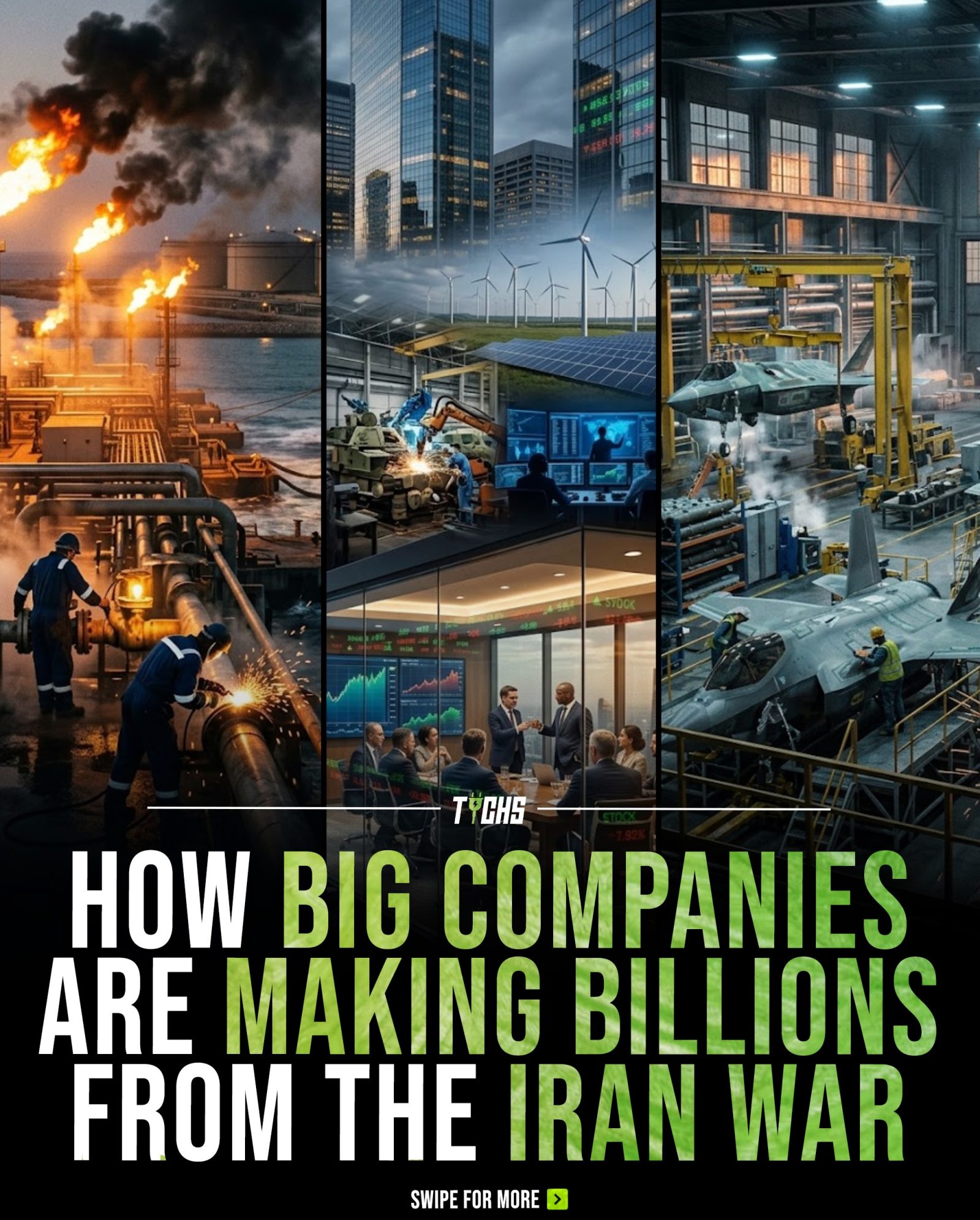
Iran Conflict Drives Profits for Global Industries
The Iran conflict is reshaping the global business landscape, with various industries reaping significant profits from the heightened geopolitical tensions. Rising oil prices, increased military demand, shipping risks, and cyber threats are among the key factors driving these profits.
Context / Why this matters
The conflict in Iran has far-reaching implications beyond the immediate region, affecting global markets and industries. Understanding how different sectors are impacted can provide valuable insights into the broader economic landscape and the strategic decisions companies are making to capitalize on these changes.
To see the full extent of these shifts, it is vital to look at the energy, defense, trading, and other sectors. The following sections delve into how each of these areas is being influenced by the Iran conflict.
The Energy Sector
The conflict has led to a surge in oil prices, benefiting energy companies significantly. Oil giants like BP, Shell, and TotalEnergies have reported substantial profit growth as energy prices have soared. This is due in part to supply disruptions in the Middle East, which have pushed oil prices past $110 per barrel.
Energy trading firms are also making billions from the volatile market conditions. Companies such as Vitol, Trafigura, and Glencore have benefited immensely from these price fluctuations. These firms specialize in buying and selling energy commodities, allowing them to capitalize on the heightened demand and price volatility.
Defense Sector
Defense contractors, including Lockheed Martin, Boeing, and Northrop Grumman, have seen a significant increase in military orders. The escalating tensions have led to record military order backlogs for these companies, particularly during the first quarter of 2026. This surge in demand is driven by the need for enhanced military capabilities and equipment in the face of potential conflicts.
Military Spending and Technology
The defense sector's growth is not just limited to traditional military equipment. The rise in cyber threats has also driven demand for advanced cybersecurity solutions. Companies specializing in digital security are experiencing a boom, as governments and corporations alike invest in protecting their digital infrastructure.
Financial and Trading Firms
Market volatility and geopolitical risks have opened up new opportunities for financial and trading firms. The uncertainty surrounding the Iran conflict has led to increased trading activity, benefiting firms that specialize in risk management and financial derivatives.
Oil Shipping and Logistics
Oil shipping companies are facing both challenges and opportunities. The conflict has increased shipping risks, particularly in the Persian Gulf, a crucial route for oil tankers. However, this has also created new revenue streams for companies that provide enhanced security and insurance services for maritime operations.
Renewable Energy
Even the renewable energy sector is feeling the impact. As companies look for ways to diversify their energy sources and reduce reliance on volatile oil markets, the demand for renewable energy solutions is on the rise. This includes investments in solar, wind, and other renewable energy sources, as well as the infrastructure needed to support them.
Practical Tips for Navigating Market Volatility
For companies looking to navigate the volatile market conditions driven by the Iran conflict, several practical tips can be beneficial:
-
Diversify Energy Sources: Companies should consider diversifying their energy sources to mitigate the risks associated with oil price volatility. Investing in renewable energy sources can provide a stable alternative.
-
Invest in Cybersecurity: With the rise in cyber threats, investing in advanced cybersecurity solutions is crucial. This includes protecting digital infrastructure, data, and transactions from potential cyberattacks.
-
Risk Management Strategies: Implementing robust risk management strategies can help companies navigate market volatility. This includes hedging against price fluctuations, diversifying supply chains, and investing in insurance solutions.
-
Enhance Supply Chain Resilience: Companies should focus on building resilient supply chains that can adapt to disruptions. This includes identifying alternative suppliers and logistics routes.
Important Takeaways
The Iran conflict highlights several key takeaways for businesses operating in a volatile geopolitical environment:
-
Global Interconnectedness: The impact of the Iran conflict extends far beyond the immediate region, affecting global markets and industries. Understanding these interconnections is crucial for businesses to make informed decisions.
-
Profit Opportunities: While conflicts can cause significant disruptions, they also create new opportunities for profit. Companies that can adapt to these changes stand to benefit significantly.
-
Risk Management: Effective risk management is essential in navigating the challenges posed by geopolitical tensions. This includes diversifying energy sources, investing in cybersecurity, and building resilient supply chains.
-
Market Volatility: Market volatility driven by geopolitical risks can create both opportunities and challenges. Companies must be prepared to capitalize on these opportunities while mitigating the associated risks.
Conclusion
The Iran conflict is reshaping global business, driving significant profits for various industries. From the energy and defense sectors to financial and trading firms, companies are finding new ways to capitalize on the heightened tensions. By understanding the impact of the conflict and implementing effective risk management strategies, businesses can navigate the challenges and opportunities presented by this volatile environment.
Watch the Reel
Questions readers ask
How is the Iran war affecting global energy profits?
The Iran war has led to significant fluctuations in oil prices, benefiting energy companies. As tensions rise, supply chains are disrupted, driving up the cost of crude oil and refined products, leading to substantial profits for energy giants like Vitol.
Which defense companies are seeing increased profits due to the Iran conflict?
Companies like Lockheed Martin, Northrop Grumman, and Boeing are among those experiencing increased profits. The heightened geopolitical tensions have led to a surge in demand for military equipment and defense technologies, as countries bolster their security measures in response to the conflict.
What strategies are businesses adopting to capitalize on the Iran war?
Businesses are strategically adapting by increasing production to meet heightened demand, securing new contracts, and diversifying their portfolios. They are also investing in technologies and infrastructure that can mitigate the risks associated with geopolitical instability, enhancing their resilience and profitability.
How is the Iran conflict impacting global trading?
The Iran conflict has introduced significant risks and uncertainties in global shipping routes, particularly in the Middle East. This has led to increased demand for maritime security and insurance, benefiting companies that offer these services. Additionally, businesses are exploring alternative trading routes and supply chains to ensure continuity and minimize disruptions.
Why are oil prices increasing during the Iran war?
Oil prices are increasing due to the disruption in supply caused by the Iran war. The conflict has led to reduced oil exports from the region, creating a supply deficit. This, combined with increased demand and concerns over potential further disruptions, is driving up prices.
How is the Iran war influencing military spending worldwide?
The Iran war is prompting countries to increase their military spending as they seek to enhance their defense capabilities and secure their interests in the region. This heightened spending is driving profits for defense contractors, who are experiencing a surge in demand for military hardware and services.
What role do geopolitical tensions play in the current business landscape?
Geopolitical tensions, such as those stemming from the Iran war, are reshaping the business landscape by creating new opportunities and challenges. They drive up demand for certain goods and services, such as energy and defense, while also introducing risks that businesses must navigate to maintain profitability and growth.
Recent articles
Fresh deep dives from the latest Reels we unpacked.




Comments
Be the first to comment.