Iran and Venezuela: A Diplomatic Standoff
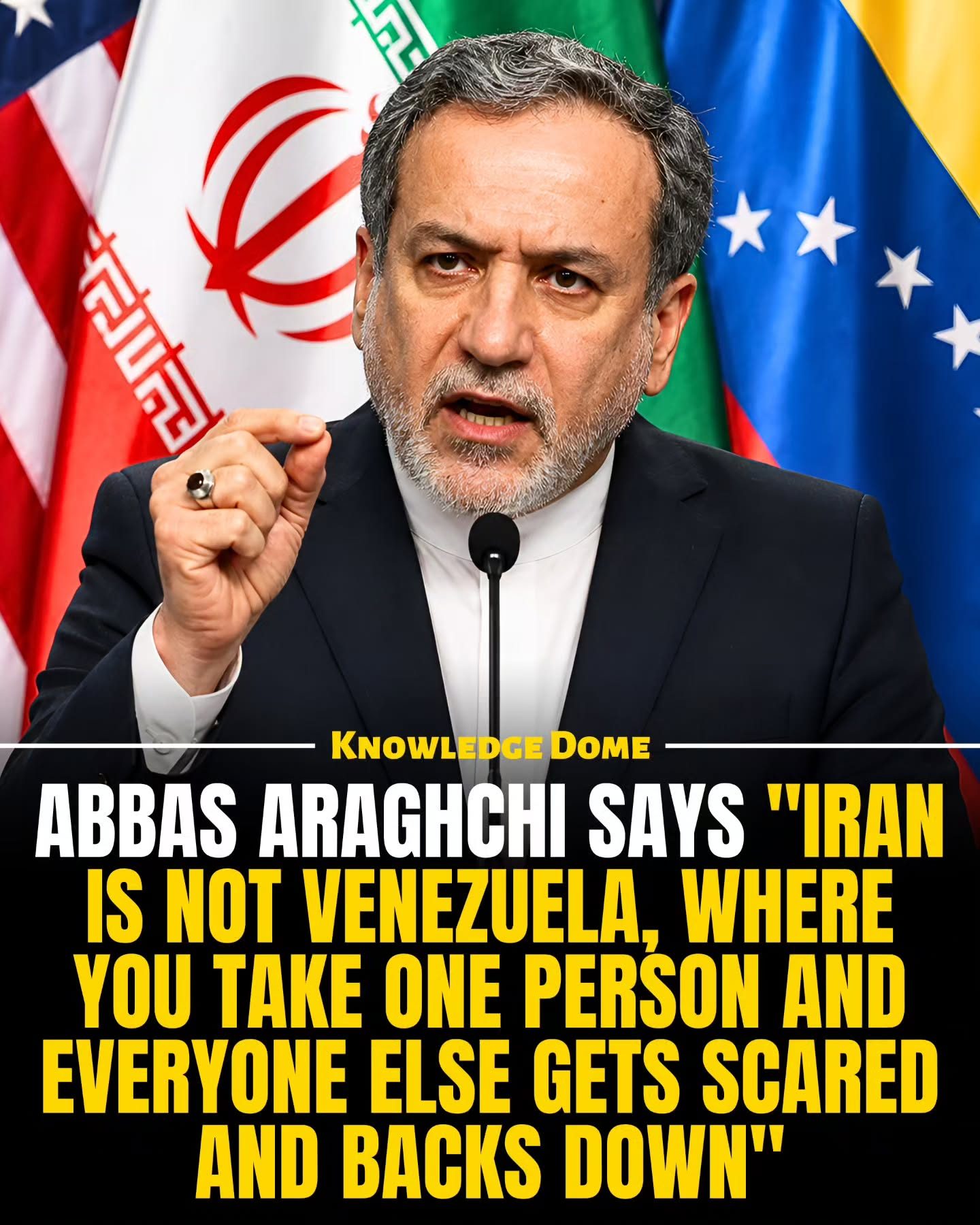
Iran’s Foreign Minister Abbas Araghchi recently made a strong statement that has sparked significant diplomatic tension between Iran and Venezuela. The crux of the issue lies in Araghchi's assertion that Iran is fundamentally different from Venezuela, where the capture of a single leader can lead to widespread fear and submission. This statement was made in response to the January 3, 2026, U.S. military operation that resulted in the capture of Venezuelan President Nicolás Maduro. The subsequent shift in Venezuela’s foreign policy, aligning the country more closely with Washington, underscored the diplomatic fallout from this event.
Why This Matters
The comments made by Araghchi are not just diplomatic rhetoric; they reflect deeper geopolitical tensions and strategic considerations that shape the foreign policies of both nations. Understanding the context and implications of these statements can provide insights into the broader geopolitical landscape and the dynamics between Iran, Venezuela, and the United States.
The Diplomatic Rift
Background to the Conflict
The U.S. military operation on January 3, 2026, which captured Venezuelan President Nicolás Maduro, marked a significant turning point in Venezuela’s political trajectory. Following Maduro’s capture, Venezuela’s foreign policy underwent a dramatic shift, moving closer to Washington. This change was not without its repercussions, as it strained relations between Venezuela and countries like Iran that had historically maintained strong ties with Maduro’s regime.
Iran's Nuclear Program and Diplomatic Offers
Araghchi’s comments also touched on the U.S.'s previous diplomatic offers to Iran. Before the escalation of military tensions, the U.S. proposed a deal that would have given it control over Iran’s peaceful nuclear program in exchange for avoiding war. Iranian leaders, however, refused this offer, asserting that they would not engage in dialogue while military threats persisted. This stance reflects Iran’s long-standing position on its nuclear program, viewing it as a matter of national sovereignty and security.
Venezuela's Response
Venezuela’s reaction to Araghchi’s comments was swift and stern. On July 28, 2026, the Venezuelan government summoned Iranian Ambassador Ali Chegini to protest. The Venezuelan authorities deemed the comments rude and unacceptable, stating that they undermined the country’s dignity and sovereignty. This diplomatic protest highlights the sensitivity of the situation and the potential for further escalation.
Attempts at De-escalation
In an effort to calm the situation, Iran’s embassy in Venezuela clarified that their words had been misunderstood. They emphasized the long history of friendship between the two countries, suggesting that the diplomatic rift was a result of miscommunication rather than a deliberate slight. This attempt at de-escalation aims to preserve the diplomatic ties that have been built over the years, despite the current tensions.
The Implications for Regional Politics
Geopolitical Dynamics
The diplomatic tension between Iran and Venezuela reflects the broader geopolitical dynamics in the region. Both countries have historically been at odds with the United States, and their foreign policies often align against perceived American influence. However, recent events have put this alliance under strain, as Venezuela’s shift towards Washington has created a rift.
Strategic Considerations
The statements made by Araghchi indicate a strategic posture aimed at reinforcing Iran’s position as a strong and independent actor in the region. By drawing a contrast between Iran and Venezuela, he suggests that Iran’s resilience and sovereignty are not dependent on a single leader, but on the collective strength and unity of its people and government.
The Role of Military Operations
The U.S. military operation that captured Maduro has had far-reaching implications, not just for Venezuela but also for its allies. The capture of a leader can send a strong message to other countries, signaling the potential consequences of defiance. However, it also highlights the risks of relying on military solutions to diplomatic problems. The shift in Venezuela’s foreign policy illustrates how such actions can alter the geopolitical landscape, often in unpredictable ways.
Practical Tips for Understanding Diplomacy
Understanding the nuances of diplomatic statements and their implications requires a nuanced approach. Here are some practical tips to help navigate the complexities of international relations:
Stay Informed
Keep up with the latest developments in international news to better understand the context and implications of diplomatic statements. This includes following reliable news sources and monitoring official statements from governments and international organizations.
Consider Historical Context
Diplomatic statements often draw on historical events and longstanding geopolitical tensions. Understanding the historical context can provide valuable insights into the motivations and strategies behind these statements.
Pay Attention to Nuance
Diplomatic language is often nuanced and carefully crafted. Paying close attention to the choice of words and the underlying meanings can reveal important messages and intentions.
Look Beyond the Surface
Diplomatic statements are not always what they seem. They are often part of a broader strategy designed to achieve specific goals. Looking beyond the surface to understand the strategic considerations can provide a deeper understanding of the situation.
Important Takeaways
The Complexity of Diplomacy
The diplomatic rift between Iran and Venezuela underscores the complexity of international relations. Diplomatic statements, military operations, and shifts in foreign policy are all interconnected, and understanding these dynamics requires a multifaceted approach.
The Role of Sovereignty
Sovereignty and national pride play a crucial role in diplomatic relations. This is evident in both Iran’s stance on its nuclear program and Venezuela’s response to Araghchi’s comments. Protecting national sovereignty is a key consideration in international negotiations and conflicts.
The Importance of Communication
Effective communication and diplomacy can help de-escalate tensions and preserve longstanding relationships. The attempts made by Iran to clarify its stance and emphasize the continued friendship between the two countries highlight the importance of communication in diplomacy.
Conclusion
The diplomatic tension between Iran and Venezuela is a complex issue with far-reaching implications. Understanding the context, motivations, and strategic considerations involved can provide valuable insights into the broader geopolitical landscape. As international relations continue to evolve, staying informed and paying close attention to the nuances of diplomatic statements will be crucial for navigating the complexities of global politics.
Watch the Reel
Questions readers ask
What prompted the recent diplomatic tension between Iran and Venezuela?
The recent diplomatic tension between Iran and Venezuela was sparked by a statement made by Iran's Foreign Minister Abbas Araghchi. He highlighted the differences between Iran and Venezuela, particularly in response to the capture of Venezuelan President Nicolás Maduro by U.S. forces in a military operation on January 3, 2026.
How has the capture of Nicolás Maduro affected Venezuela's foreign policy?
Following the capture of Nicolás Maduro, Venezuela has shifted its foreign policy to align more closely with the United States. This change underscores the significant impact of Maduro's capture on Venezuela's diplomatic relations and internal governance.
What are the implications of Araghchi's statement on Iran's relations with the U.S. and its allies?
Araghchi's comments have raised questions about the future of Iran's nuclear program and its relations with the U.S. and its allies. The statement reflects broader strategic considerations and may influence how these nations interact with Iran in the coming years.
How has the U.S. military operation in Venezuela impacted geopolitical dynamics?
The U.S. military operation that resulted in the capture of Nicolás Maduro has significantly altered the geopolitical dynamics between Iran, Venezuela, and the U.S. It has led to a shift in Venezuela's foreign policy and sparked diplomatic tensions, particularly between Iran and Venezuela.
What are the key points of Araghchi's statement that have caused diplomatic turmoil?
Araghchi's statement emphasized that Iran and Venezuela have fundamental differences. While Iran has a structured power structure, Venezuela is portrayed as a country where the capture of a single leader can lead to widespread fear and submission. This has been seen as a critique of Venezuela's political landscape and its response to the U.S. military operation.
How might the current diplomatic row affect Iran's military strategy?
The current diplomatic row could influence Iran's military strategy, as it reflects broader strategic considerations. It raises questions about Iran's nuclear program and its relations with the U.S. and its allies, which could potentially impact Iran's military decisions and posture in the region.
What role does Abbas Araghchi play in the current diplomatic tensions?
Abbas Araghchi, as Iran's Foreign Minister, has played a pivotal role in the current diplomatic tensions. His recent statement highlighting the differences between Iran and Venezuela has ignited a diplomatic row. This has implications for Iran's foreign policy and its interactions with other nations, particularly the U.S. and its allies.
Recent articles
Fresh deep dives from the latest Reels we unpacked.




Comments
Be the first to comment.