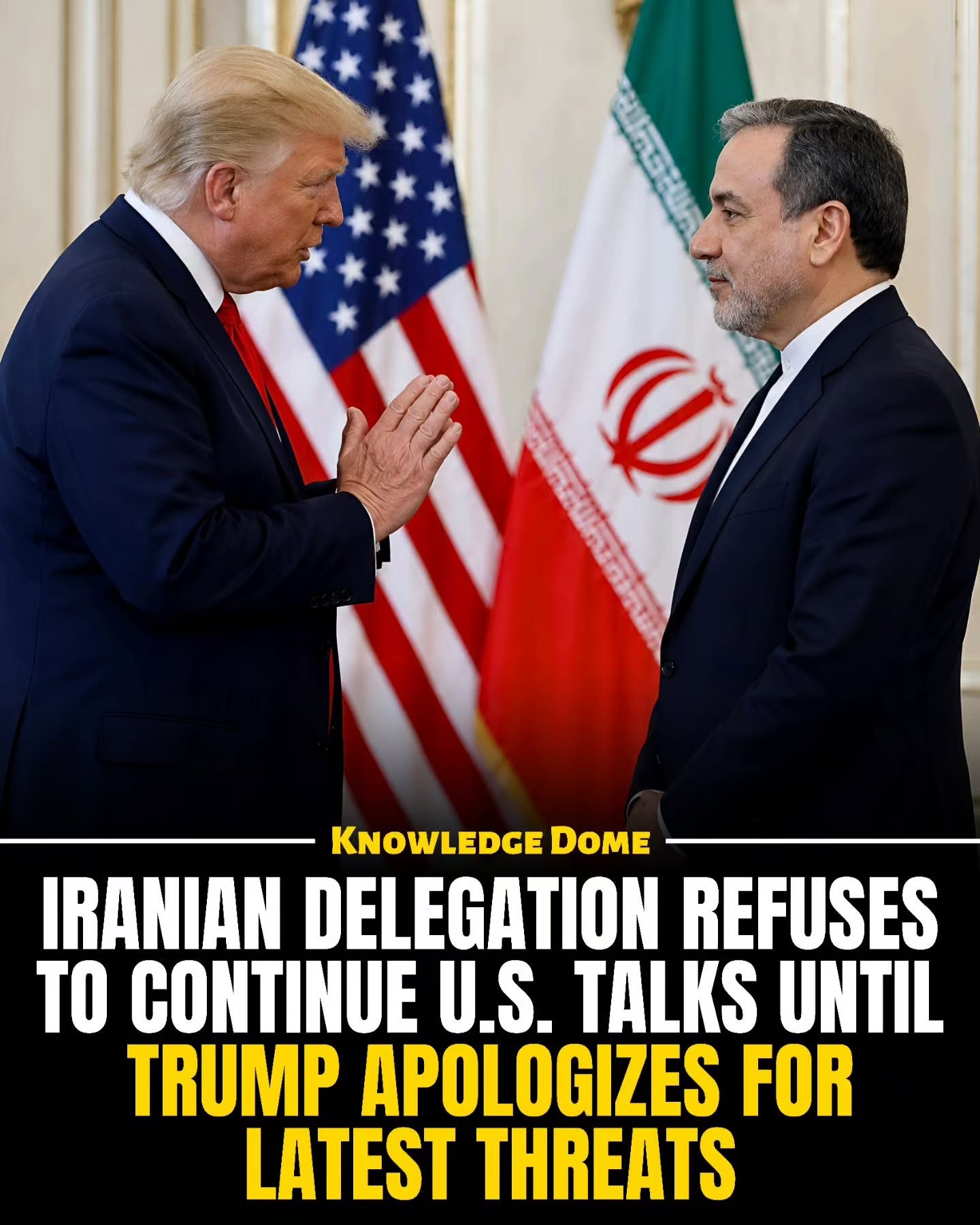
Iran-U.S. Nuclear Talks: A Tense Impasse
The recent standoff between the Iranian delegation and the United States during peace talks in Switzerland has brought the already fragile diplomatic process to a halt. The talks, aimed at easing tensions in the Middle East and addressing the nuclear issue, have hit a significant roadblock due to escalating rhetoric from the U.S. President.
Context: Why This Matters
The Middle East is a region with long-standing geopolitical tensions, and any shift in diplomatic relations between major players can have far-reaching consequences. The United States and Iran have a complex history, with nuclear disagreements and regional conflicts often at the forefront of their disputes. The recent talks were a significant step in trying to find a common ground, particularly concerning Iran's nuclear program, which has been a contentious issue for over a decade.
Diplomatic Fallout
The breakdown of talks in Switzerland was precipitated by remarks from President Donald Trump. According to reports, Trump's comments were perceived by the Iranian delegation as highly insulting and threatening. These remarks, which came days after Iran's decision to pull out of an international nuclear deal, added tension and escalated the situation.
Iran's Response
Iran's delegation has made clear that they will not return to the talks until Trump personally apologizes for his remarks. Additionally, Iran has set the condition that Israel must completely withdraw its forces from southern Lebanon. These demands underline Iran's stance that any diplomatic progress must be built on mutual respect and adherence to international agreements.
U.S. Perspective
While the U.S. has not publicly responded to Iran's demands, it is clear that the current impasse has halted any significant progress in the talks. The U.S. delegation, along with mediators from countries like Qatar and Pakistan, continues to engage in lower-level discussions to find a way to keep the diplomatic channels open. However, the future of the summit remains uncertain.
Key Points of Contention
Nuclear Issue
The nuclear issue remains the central point of contention for both Iran and the U.S. Iran has maintained that its nuclear program is for peaceful purposes, but the U.S. has accused Iran of developing nuclear weapons. The recent tug-and-pull over this issue has deepened the mistrust between the two countries.
Regional Tensions
Regional tensions, especially in Lebanon, add another layer to the ongoing conflict. The Iranian delegation’s demand for a full withdrawal of Israeli forces from southern Lebanon is another complicating factor. The conflict in the region has multiple stakeholders and could further destabilize the area if not handled carefully.
Role of Mediators
Countries like Qatar and Pakistan are playing a crucial role in trying to keep the dialogue alive, despite the current stalemate. These mediators are essential in maintaining diplomatic communication and preventing further escalation.
Technical Officials
While the main face-to-face meetings are on hold, lower-level technical officials are still involved in the process. This ensures that some level of communication and negotiation continues, even during this tense period.
Practical Tips for Understanding the Situation
Understanding the complexities of the Iran-U.S. diplomatic situation requires a nuanced approach:
-
Stay Informed: Follow reliable news sources for the latest developments. Stay informed about the statements made by both countries and the mediators involved.
-
Historical Context: Understand the historical context of the Iran-U.S. relationship, especially concerning the nuclear issue and regional conflicts.
-
Geopolitical Implications: Recognize the geopolitical implications of the situation. The Middle East is a volatile region, and tensions between Iran and the U.S. can have broader consequences.
-
Rhetoric vs. Action: Pay attention to the difference between diplomatic rhetoric and actual policy actions. Often, rhetoric can escalate tensions, but policy actions might move the situation forward.
-
Role of Mediators: Monitor the role of third-party mediators in the conversations. These countries can play a crucial role in bridging the gap between the two nations.
Important Takeaways
The current impasse in the Iran-U.S. talks highlights several key points:
-
Significance of Diplomatic Language: Strong rhetoric from leaders can derail diplomatic efforts, emphasizing the importance of careful and respectful language in international relations.
-
Need for Mutual Respect: Both sides must show mutual respect and willingness to compromise for any progress to be made.
-
Complexity of Regional Conflicts: Regional conflicts, such as the situation in Lebanon, add complexity to the Iran-U.S. talks and must be addressed for a sustainable solution.
-
Role of Mediators: Effective mediation is crucial in maintaining dialogue and preventing further escalation.
Conclusion
The current standoff between the U.S. and Iran underscores the delicate nature of international diplomacy, especially in a region as complex as the Middle East. The talks in Switzerland, aimed at easing tensions and addressing the nuclear issue, have hit a significant roadblock, with Iran demanding an apology from President Trump and a withdrawal of Israeli forces from Lebanon. While the main face-to-face meetings are paused, the involvement of mediators and lower-level officials keeps the conversation alive. Understanding this situation requires a nuanced approach, staying informed, recognizing the historical context, and acknowledging the broader geopolitical implications. The path forward will depend on mutual respect, careful diplomatic language, and the effective role of mediators.
Watch the Reel
Questions readers ask
What prompted the current Iran-U.S. nuclear talks to stall?
The nuclear talks have stalled primarily due to Iran's demands for an apology from former U.S. President Trump and the withdrawal of Israeli forces from southern Lebanon. These conditions have led to a tense impasse, halting the diplomatic process.
Is this the first time Iran has demanded an apology from the U.S.?
No, Iran has previously made similar demands, including during the Obama administration. However, the current demand specifically targets former President Trump's actions and rhetoric, adding a new layer of complexity to the negotiations.
What are the current implications of the stalled negotiations?
The stalled negotiations mean that the nuclear deal, also known as the Joint Comprehensive Plan of Action (JCPOA), remains unaddressed. This could lead to further nuclear development in Iran, escalating tensions in the Middle East, and potentially impacting global security.
Why is the withdrawal of Israeli forces from southern Lebanon a contentious issue?
Israel withdrew from southern Lebanon in 2000, but tensions remain high due to Hezbollah's presence in the region. Iran, which supports Hezbollah, has used this as a bargaining chip in the negotiations, further complicating the diplomatic process.
How have previous U.S. presidents handled negotiations with Iran?
Previous U.S. presidents have had varied approaches to negotiations with Iran. For example, the Obama administration reached the JCPOA in 2015, while the Trump administration withdrew from it in 2018. The current administration is trying to restart negotiations, but the process has been challenging.
What role does the international community play in these negotiations?
The international community, including countries like Russia, China, France, Germany, and the United Kingdom, has been involved in the negotiations as part of the P5+1 group. They have been trying to facilitate a diplomatic resolution to the nuclear issue, but the current impasse has made progress difficult.
What are the potential outcomes if the negotiations remain stalled?
If the negotiations remain stalled, there are several potential outcomes, including further nuclear development in Iran, increased tensions in the Middle East, and potentially renewed sanctions or even military action. It is crucial for both sides to find a way to restart talks and make progress.
Recent articles
Fresh deep dives from the latest Reels we unpacked.




Comments
Be the first to comment.