The United States' Involvement in the Middle East
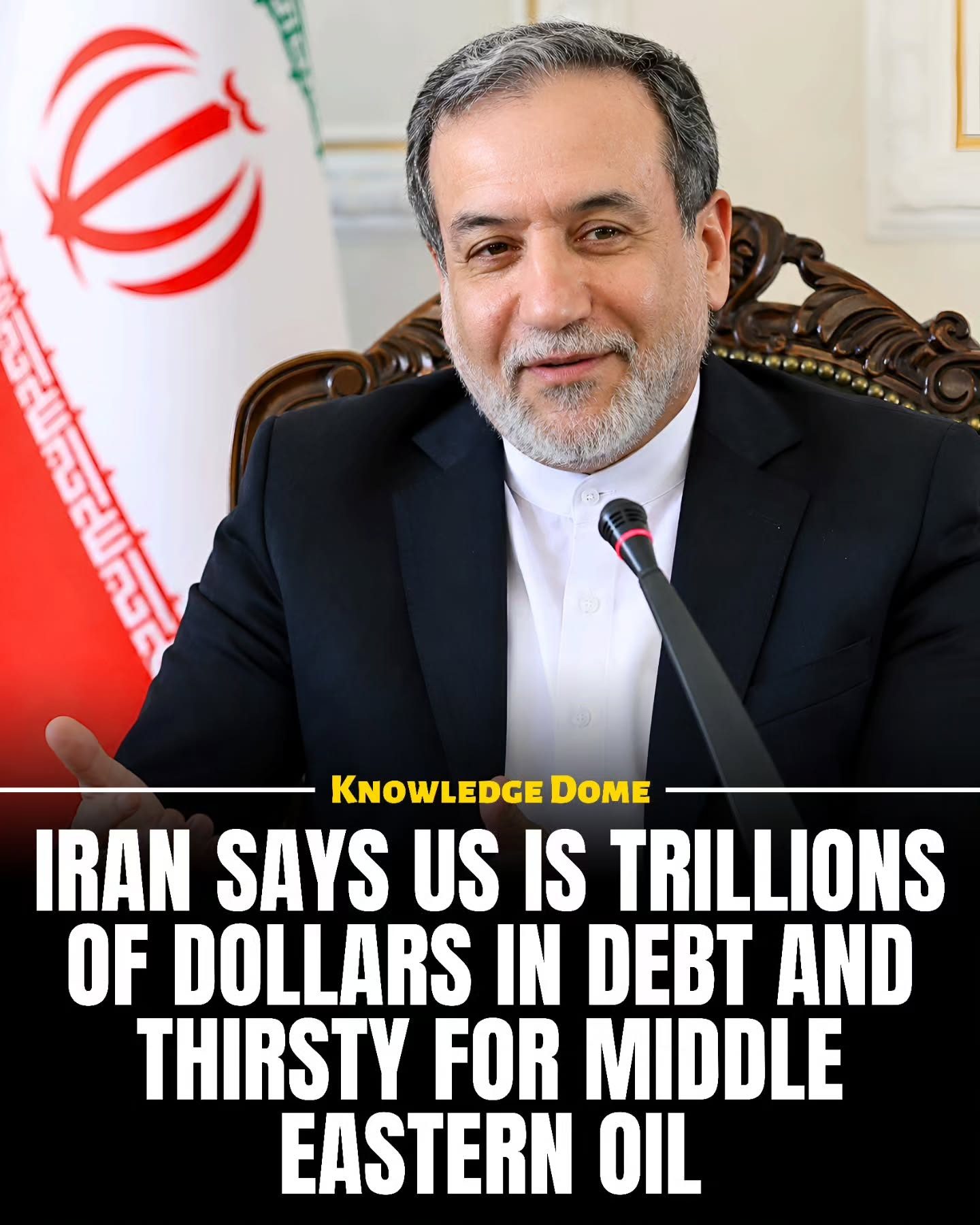
The United States' presence in the Middle East is a contentious issue with deep-seated economic and strategic dimensions. Iranian officials offer a perspective that frames this involvement as driven by money, power, and energy.
Context
Iranian officials assert that the United States maintains a strong military presence in the Middle East to safeguard its interests in trade routes, oil supplies, and global influence. This view posits that the United States' actions are not merely political but are deeply rooted in the control of critical resources and strategic locations worldwide. The United States’ national debt is cited as a significant factor propelling its engagement in Middle Eastern affairs. According to this perspective, the United States needs access to key energy routes and oil-rich areas to sustain its economic prowess. This complex interaction between economic necessity and strategic control underscores the ongoing tensions between Iran and the United States.
Middle Eastern Dynamics and US Interests
Economic Factors
The Middle East is home to some of the world’s most significant oil reserves. Control over these reserves translates into significant economic leverage. The United States' military presence in the region is seen as a means to secure these resources, ensuring a steady supply for its domestic energy needs and maintaining its economic dominance. This economic interest is intertwined with the region's strategic importance, as the Middle East hosts vital trade routes that connect global markets.
Strategic Importance
Strategic control over the Middle East is another crucial factor in the United States' engagement. The region’s geographical significance means that it is pivotal for military and economic maneuverability. The United States' military presence ensures that it can project power and influence across the globe, asserting its dominance in international affairs. This strategic control also helps in containing regional powers, ensuring that no single nation can dictate the global order.
The National Debt Factor
Iranian officials point to the United States' massive national debt as a driving force behind its Middle Eastern policies. The high levels of debt necessitate a strong economy, which in turn requires access to energy resources. The Middle East, with its abundant oil reserves, is a critical component in maintaining the United States' economic strength. This perspective highlights the economic pressures that shape U.S. foreign policy, suggesting that economic stability is intrinsically linked to its global strategy.
Power Dynamics
The United States' military presence in the Middle East is also seen as a means to assert power and influence. This military strength serves as a deterrent to potential adversaries and ensures that the United States can exert control over the region's resources and strategic locations. This power dynamic is at the heart of the tensions between Iran and the United States, as both nations vie for control and influence in the region.
The Iranian View
Iranian officials view the ongoing tensions with the United States as part of a larger global struggle for power. This perspective suggests that the conflict is not merely about local issues but about global power dynamics. Iran sees the United States' actions as part of a broader strategy to maintain its global dominance, even if it means intervening in regional conflicts. This broader view underscores the deep-seated nature of the tensions and the conflict's multidimensional roots.
Practical Tips for Understanding the Conflict
Understanding the Middle Eastern conflict requires a nuanced approach. It is essential to consider the economic, strategic, and power-related factors that drive the United States' involvement. Recognizing the interconnected nature of these factors can help in gaining a clearer perspective on the conflict and its implications. This involves looking beyond surface-level political narratives and delving into the underlying economic and strategic motivations. For instance, examining the global oil market and its impact on the United States' economic policies can provide insights into why Middle Eastern oil is so crucial.
Important Takeaways
The United States' involvement in the Middle East is driven by a complex interplay of economic, strategic, and power-related factors. The region's oil reserves and strategic locations make it a critical component of the United States' global strategy. This involvement is shaped by the need to maintain economic dominance and global influence. The tensions with Iran are part of a broader struggle for power, reflecting the deep-seated nature of the conflict. Understanding these factors is essential for navigating the complex dynamics of the Middle East and its global implications.
Conclusion
The United States engagement in the Middle East is a multifaceted issue shaped by economic necessity, strategic control, and the struggle for global power. Recognizing these underlying factors can provide a deeper understanding of the conflict and its implications for global geopolitics. As the world continues to evolve, the dynamics of this region will remain a critical focus, influencing international relations and economic policies.
Watch the Reel
Questions readers ask
Why does Iran believe the U.S. maintains a strong military presence in the Middle East?
Iranian officials argue that the U.S. military presence in the Middle East is primarily driven by the need to secure vital trade routes, oil supplies, and strategic locations. They contend that the U.S. seeks to maintain global influence and control over critical resources in the region.
How does the U.S. national debt factor into Iran's perspective on U.S. involvement in the Middle East?
Iranian officials suggest that the U.S. national debt is a significant factor driving U.S. engagement in the Middle East. They believe that the U.S. seeks to secure economic benefits and maintain strategic control to offset its financial obligations.
What are the key strategic locations in the Middle East that the U.S. is interested in, according to Iran?
Iran contends that the U.S. is interested in strategic locations in the Middle East that are crucial for global trade and energy supply. These locations allow the U.S. to exert control over vital trade routes and oil supplies, thereby enhancing its global influence.
How does Iran view the U.S. economic interests in the Middle East?
From Iran's perspective, the U.S. economic interests in the Middle East are centered around securing oil supplies and maintaining control over trade routes. They argue that these interests are fundamental to the U.S. economy and its global power.
What is the Iranian perspective on the U.S. power struggle in the Middle East?
Iran sees the U.S. power struggle in the Middle East as a means to maintain and expand its global influence. They believe that the U.S. uses its military presence to control strategic locations and resources, ensuring its dominant position in the region and beyond.
Why does Iran believe the U.S. seeks to control Middle East energy supply?
Iranian officials assert that the U.S. seeks to control the Middle East energy supply to ensure a steady flow of oil and gas, which are crucial for the global economy. They contend that this control is a key factor in the U.S. strategic interests in the region.
How does Iran view the importance of the Middle East region to the U.S.?
Iran believes that the Middle East is of utmost importance to the U.S. due to its strategic locations, trade routes, and energy resources. They argue that the U.S. involvement in the region is driven by the need to secure these critical assets to maintain its global power and economic interests.
Recent articles
Fresh deep dives from the latest Reels we unpacked.




Comments
Be the first to comment.