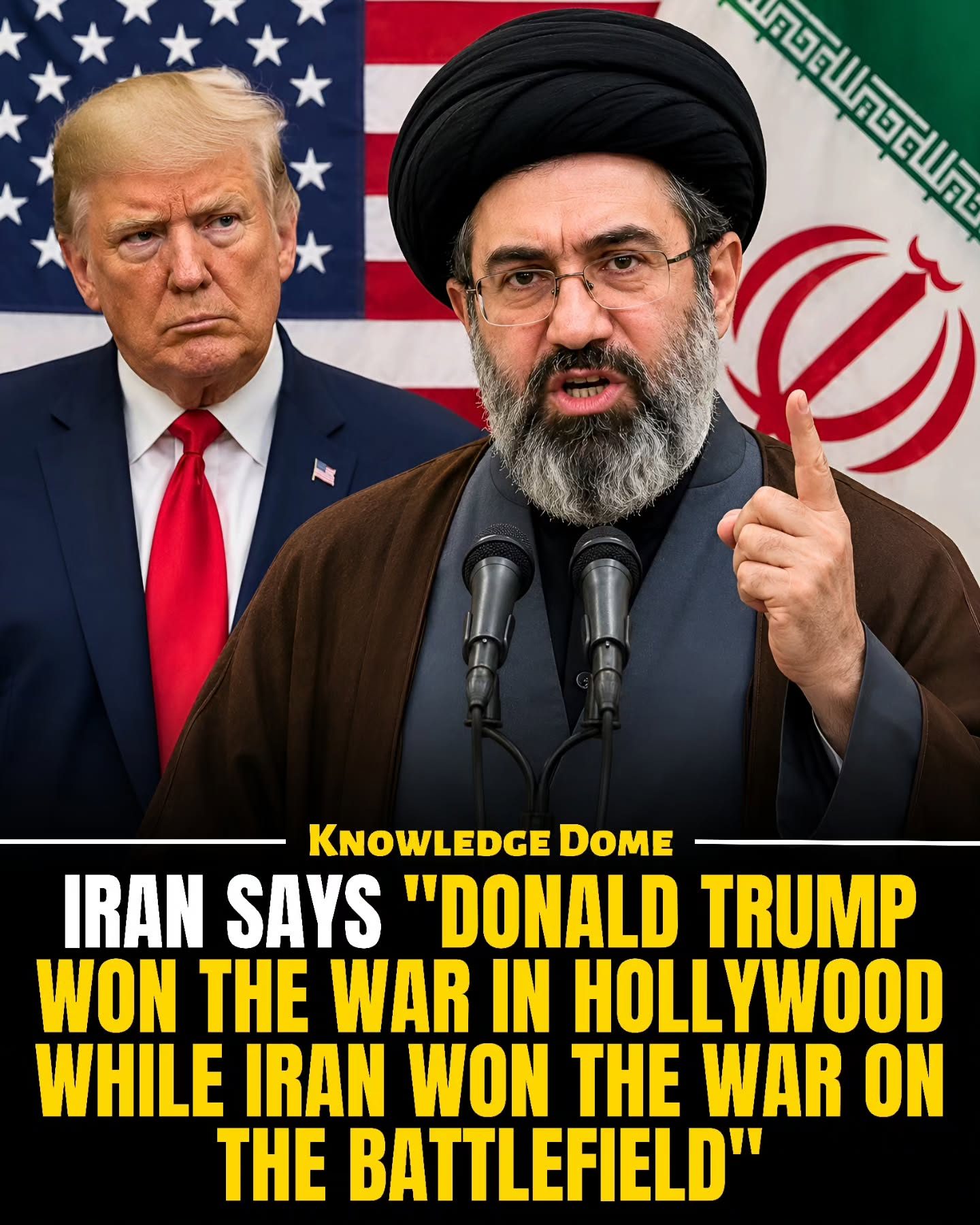
US-Iran Conflict: The Battle for Public Opinion
The conflict between the United States and Iran in 2026 has unfolded as a complex geopolitical struggle, but it has also become a battle for hearts and minds in the digital age. This battle is not just about military strength, but also about swaying public opinion through social media, memes, and pop culture.
Why this matters
In an era dominated by social media, the narrative around war and conflict is no longer confined to traditional news outlets. It has seeped into the digital realm, where memes, tweets, and online images play a crucial role in shaping public perception. The US-Iran conflict exemplifies this shift, where the fight extends beyond the battlefield to include a war of words, jokes, and online images.
The Battle of Narratives
The Iranian Perspective
Iran, through its Khatam al-Anbiya Central Headquarters, pushed back against U.S. claims about the war. Its spokesperson, Ebrahim Zolfaghari, stated that the outcome of a war is decided on the battlefield, not through social media or internet threats. This statement underscores Iran's stance that the real measure of victory lies in tangible, physical achievements, not in online discourse.
The composite image featuring Donald Trump and Ali Khamenei further illustrates Iran's perspective. The overlaid text, "Iran says 'Donald Trump won the war in Hollywood while Iran won the war on the battlefield,'" encapsulates this viewpoint. It suggests that while the U.S. might have dominated the media and public perception, Iran claims victory in the actual conflict.
The US Perspective
On the other hand, the U.S. has been actively promoting the war as a success story. American officials asserted that their primary goals were being met, and the White House utilized meme-style videos, movie clips, and pop culture images to portray the war as strong and dramatic. This strategy aimed to present a narrative of power and success to the public, leveraging the influence of digital media.
The Role of Social Media
Iranian Embassies and Officials
The Iranian side didn't just sit back and let the U.S. control the narrative. Iranian embassies and officials actively participated in the social media battle, using memes and sarcasm to counter the U.S. narrative. Their message was clear: while the U.S. might appear powerful on screens, their actual strength on the battlefield is different.
Public Perception and Digital Propaganda
The US-Iran conflict shows how digital propaganda has become a significant component in shaping public opinion. Both sides used various digital media to convey their messages, each attempting to sway public sentiment in their favor. This includes the use of memes, sarcasm, and other digital tools to make their points more relatable and impactful.
The Power of Memes and Digital Media
Meme Culture in Warfare
Memes have become a powerful tool in modern warfare, allowing for the quick dissemination of ideas and messages. In the US-Iran conflict, memes were used to mock the opposing side, reinforce domestic support, and spread propaganda. The satirical nature of memes makes them an effective way to communicate complex ideas in a simple, digestible format.
The Influence of Pop Culture
Pop culture, too, played a significant role in this conflict. Movie clips, social media videos, and other forms of pop culture were used to create a narrative of strength and drama. By leveraging familiar and beloved pop culture references, both sides could make their messages more relatable and impactful to a broader audience.
Practical Tips
Navigating Digital Propaganda
Understanding the role of digital propaganda in modern conflicts can help individuals navigate the complex landscape of information. Here are some practical tips:
- Be Critical: Don't take everything you see online at face value. Question the sources and motives behind the information.
- Check Multiple Sources: Before forming an opinion, check multiple sources to get a balanced view.
- Recognize Bias: Be aware that digital media often carries a bias. Whether it's a meme, a tweet, or a video, understand that it's crafted with a specific message in mind.
Verifying Information
- Fact-Check: Use reliable fact-checking websites to verify the authenticity of information.
- Context Matters: Always consider the context in which information is presented. A meme or video might be humorous or dramatic, but it doesn't always tell the full story.
- Stay Informed: Keep yourself updated with information from a variety of sources, including traditional news outlets, to get a comprehensive view.
Important Takeaways
The US-Iran conflict in 2026 highlights the evolving nature of warfare in the digital age. It underscores the importance of public opinion and the role of digital media in shaping narratives. Both sides utilized various tools, including memes, sarcasm, and pop culture, to convey their messages and sway public sentiment. Understanding this dynamic can help individuals better navigate the complex world of digital information and propaganda.
Conclusion
The US-Iran conflict serves as a stark reminder that in the modern world, wars are fought not just on the battlefield, but also in the digital realm. Both sides leveraged social media, memes, and pop culture to present their narratives, making this conflict a battle for public opinion. As we move forward, it is crucial to stay informed and critical, recognizing the power of digital media in shaping our perceptions of the world.
Watch the Reel
Questions readers ask
How does the US-Iran conflict extend into the digital realm?
The US-Iran conflict transcends traditional geopolitical boundaries, spilling over into social media platforms. Both nations are actively using these digital spaces to shape public perception through memes, tweets, and other online content, making it a war of words and images as much as a military struggle.
What role do memes play in the US-Iran conflict?
Memes have become a powerful tool in the US-Iran conflict, serving as a means to convey complex geopolitical messages in a relatable and shareable format. They help to simplified intricate issues, making them more accessible to a broader audience and influencing public opinion in subtle yet effective ways.
How does social media influence the public opinion battle between the US and Iran?
Social media platforms have become battlegrounds for influencing public opinion. Both countries employ strategic use of tweets, viral content, and memes to sway public sentiment, making the digital age a critical battleground in the war for hearts and minds, beyond the military front lines.
Is the US using a different social media strategy against Iran?
The US employs a diverse range of social media strategies to counter Iran's influence, leveraging the reach and immediacy of platforms like Twitter and Instagram. By creating engaging content, including memes, the US aims to counter Iranian narratives and shape public perception in their favor.
How do tweets contribute to the US-Iran conflict?
Tweets from official government accounts, diplomats, and even ordinary citizens play a significant role in the US-Iran conflict. They disseminate real-time information, propagate propaganda, and rally public support, thereby shaping the narrative and influencing global perceptions of the conflict.
What is the significance of pop culture in the US-Iran conflict?
Pop culture serves as a potent tool in the US-Iran conflict, with both nations using it to reach a wider audience. By incorporating elements of popular culture into their digital strategies, both countries aim to make their messages more relatable and impactful, thereby enhancing their influence and swaying public opinion.
How does Iran utilize online influence to its advantage in the US-Iran conflict?
Iran leverages online platforms to disseminate its perspective and counter US narratives. Through the strategic use of memes, tweets, and targeted online campaigns, Iran aims to garner support, challenge US dominance, and shape global perceptions in a manner favorable to its interests.
Recent articles
Fresh deep dives from the latest Reels we unpacked.




Comments
Be the first to comment.