Iran's Surprise Attack on US Forces Intercepted by Jordan
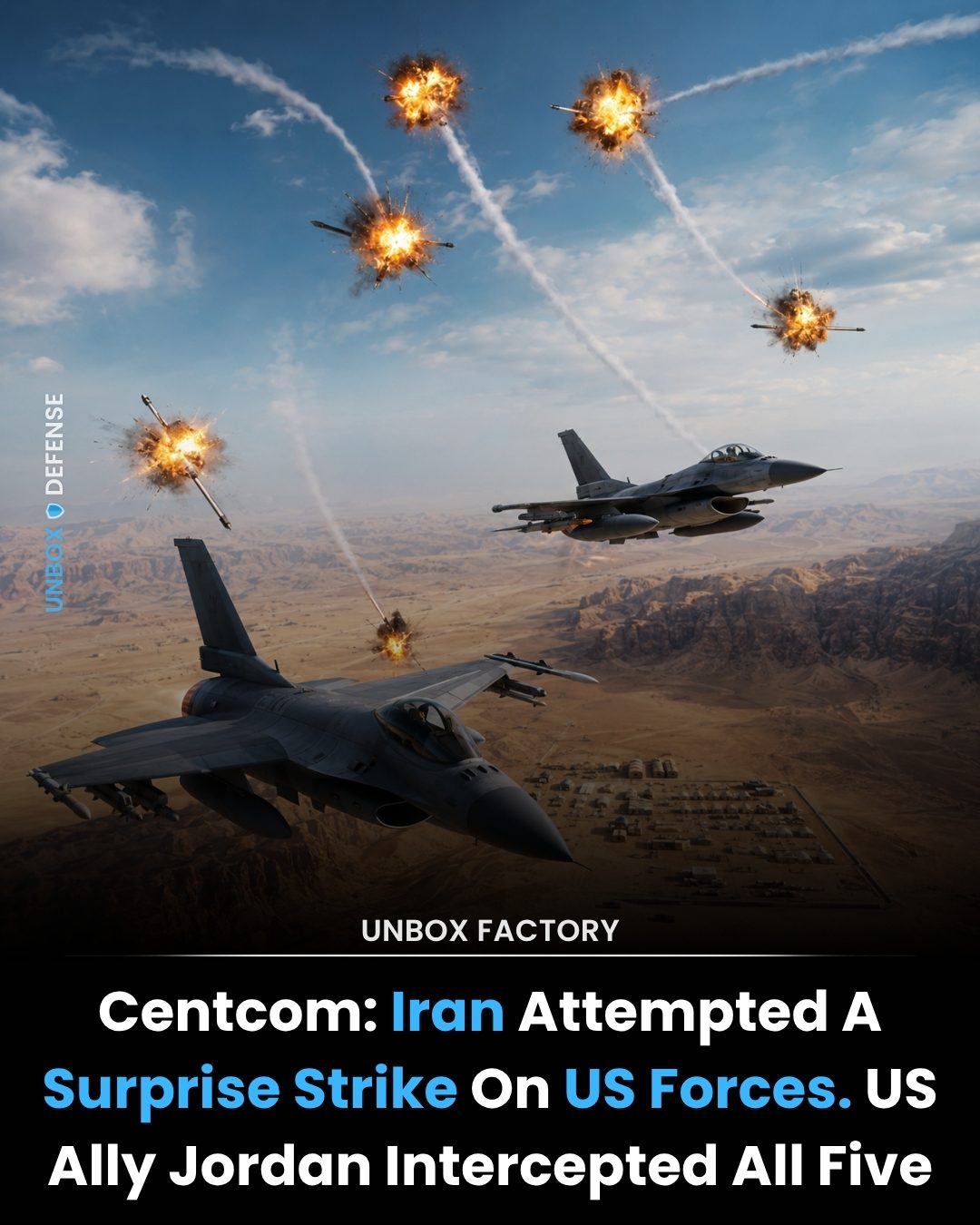
Iran's recent attempt to launch a surprise attack against US forces is a stark reminder of the escalating tensions in the Middle East. On a seemingly ordinary day, five aerial threats were launched towards American military installations, setting off a chain of events that culminated in a successful interception by Jordan's air defenses.
Why This Matters
The Middle East has long been a region of strategic importance, and recent years have seen a surge in drone and missile attacks. These incidents underscore the critical need for robust missile-defense networks capable of intercepting threats swiftly and efficiently. The role of Jordan, as a key ally, becomes even more crucial in this context.
The Role of Integrated Air-Defense Systems
Jordan has emerged as a pivotal partner in the Middle East, particularly in the realm of air defense. The country operates alongside U.S. and allied forces, using integrated air-defense systems to safeguard regional stability. These systems are essential in countering the rising threat of low-cost aerial attacks, which have become more prevalent in recent times. Integrated air-defense systems work by providing a layered approach to intercepting aerial threats, ensuring that even the most sophisticated attacks are neutralized before they reach their targets. The success of Jordan’s interception of Iran’s aerial threats demonstrates the effectiveness of these systems in real-world scenarios.
The Significance of Regional Alliances
Jordan’s role as a critical security partner for the United States cannot be overstated. The successful interception of Iran’s aerial threats exemplifies the power of regional alliances in maintaining peace and security. By working collaboratively, the U.S. and Jordan have effectively countered Iran’s surprise attack, highlighting the importance of maintaining and strengthening these alliances. This collaborative effort underscores the necessity of mutual trust and cooperation in defending against common adversaries.
The Attack and Interception
The Iranian Threat
Iran’s aerial threats were designed to take advantage of the element of surprise. The five aerial threats were aimed at US military installations, with the intent to catch the defenses off guard. However, the effectiveness of these threats was significantly hampered by the sophisticated air-defense systems in place, which are capable of detecting and neutralizing such threats in real-time.
Jordan’s Response
Jordan’s air defenses played a crucial role in intercepting the Iranian aerial threats. By leveraging integrated air-defense systems, Jordan successfully intercepted all five threats before they could reach their intended targets. This swift and effective response showcased the capability of modern air-defense systems in countering unexpected attacks. The layered approach, which includes various radar and missile systems, ensures that no threat goes undetected or unresponded to.
The Importance of Layered Missile-Defense Networks
Countering Low-Cost Aerial Threats
The rise of low-cost aerial threats, including drones and missiles, has posed significant challenges to traditional defense strategies. These threats are often difficult to detect and intercept, given their smaller size and lower radar signatures. Layered missile-defense networks are designed to counter these threats by providing multiple layers of defense. This approach ensures that threats are detected, tracked, and intercepted at various stages of their trajectory, significantly reducing the risk of successful attacks.
The Middle East’s Evolving Threat Landscape
The Middle East has seen a sharp increase in drone and missile attacks in recent years. Iran’s surprise strike on US forces is just one example of this evolving threat landscape. The region’s geopolitical tensions, combined with the proliferation of advanced weaponry, have created a complex security environment. In response, countries in the region have invested heavily in enhancing their missile-defense capabilities. These networks are essential in protecting military installations, civilian populations, and critical infrastructure from aerial attacks.
Practical Tips for Enhanced Defense
Invest in Advanced Technology
Investing in advanced technology is crucial for maintaining robust defense capabilities. This includes modern radar systems, missile interceptors, and integrated air-defense platforms. These technologies provide the necessary tools to detect and intercept aerial threats swiftly and effectively. Advanced technology ensures that defense systems remain one step ahead of evolving threats, thereby enhancing overall security.
Strengthen Regional Alliances
Building and strengthening regional alliances is essential for effective defense. Collaborative efforts between countries can significantly enhance defense capabilities. By sharing resources, intelligence, and technology, regional allies can collectively counter threats more effectively. The success of Jordan’s interception of Iran’s aerial threats highlights the importance of such alliances in maintaining regional security.
Continuous Training and Preparedness
Continuous training and preparedness are vital for maintaining a strong defense posture. Regular exercises and simulations help in identifying potential vulnerabilities and improving response mechanisms. Preparedness ensures that defense systems are always ready to counter unexpected attacks, ensuring the safety and security of military installations and civilian populations.
Important Takeaways
Iran's failed surprise attack on US forces is a clear example of how modern air-defense systems can counter even the most unexpected threats. The successful interception by Jordan’s air defenses underscores the importance of:
- Advanced Integrated Systems: The layered approach to defense, combining radar and missile systems, is essential for detecting and intercepting aerial threats.
- Regional Cooperation: Collaborative efforts between allies significantly enhance defense capabilities and ensure effective countermeasures.
- Continuous Preparedness: Through regular training and simulations, defense systems remain robust and ready to respond to evolving threats.
Conclusion
The recent event involving Iran’s surprise attack on US forces, successfully intercepted by Jordan, underscores the critical importance of advanced air-defense systems. This incident serves as a reminder of the escalating tensions in the Middle East and the need for robust defense capabilities. By leveraging advanced technology, strengthening regional alliances, and maintaining continuous preparedness, countries can effectively counter the evolving threat landscape.
Watch the Reel
Questions readers ask
Why did Iran target US forces with a surprise attack?
Iran's surprise attack on US forces is a manifestation of the ongoing geopolitical tensions in the Middle East. The attack was likely a response to perceived threats or incidents, demonstrating Iran's strategy to exert pressure on the US and its allies in the region. Jordan's swift interception highlights the importance of vigilant defense systems and regional partnerships in countering such threats.
What role did Jordan play in intercepting the aerial threats?
Jordan's air defenses played a pivotal role in intercepting the five aerial threats launched by Iran. This successful interception showcased Jordan's advanced defense capabilities and its strategic importance as a key ally in the Middle East. The incident underscored the effectiveness of regional alliances in maintaining security and stability in the face of potential conflicts.
How significant is the Middle East as a region for global security?
The Middle East is a region of immense strategic importance due to its geopolitical dynamics and vast resources. The recent surge in drone and missile attacks highlights the necessity for robust defense systems and international cooperation. Jordan’s successful interception of Iranian aerial threats is a clear example of how regional alliances and advanced defense technologies are crucial in maintaining security.
What measures can be taken to prevent future attacks on US forces in the region?
Preventing future attacks on US forces in the Middle East requires a multi-faceted approach, including the enhancement of missile-defense networks, strengthening regional alliances, and maintaining open lines of communication. Enhanced intelligence-sharing and coordinated military responses can significantly mitigate the risk of such threats. Jordan's successful interception of Iranian threats exemplifies the importance of having a well-prepared and integrated defense system.
How did the US military respond to the Iranian surprise attack?
The US military, in coordination with its partners such as Jordan, responded swiftly and effectively to the Iranian surprise attack. The interception of the aerial threats by Jordan's air defenses was a critical part of this response, highlighting the importance of regional cooperation and robust defense systems. The coordinated military response from CENTCOM (Central Command) ensured that the threat was neutralized, maintaining the security of US forces in the region.
What impact does this incident have on US and Jordan relations?
This incident underscores the strong and strategic relationship between the US and Jordan. By successfully intercepting the aerial threats, Jordan demonstrated its commitment to regional security and its role as a key ally. This event is likely to strengthen mutual trust and cooperation, reinforcing the importance of joint defense initiatives and regional alliances in countering potential threats.
What kind of defense systems does Jordan have in place to intercept aerial threats?
Jordan has a sophisticated air defense system that includes advanced radar and missile interception technologies. These systems are designed to detect, track, and neutralize incoming aerial threats swiftly and effectively. The successful interception of the Iranian aerial threats showcases Jordan's advanced capabilities and its preparedness to defend against potential attacks, contributing to regional stability and security.
Recent articles
Fresh deep dives from the latest Reels we unpacked.




Comments
Be the first to comment.