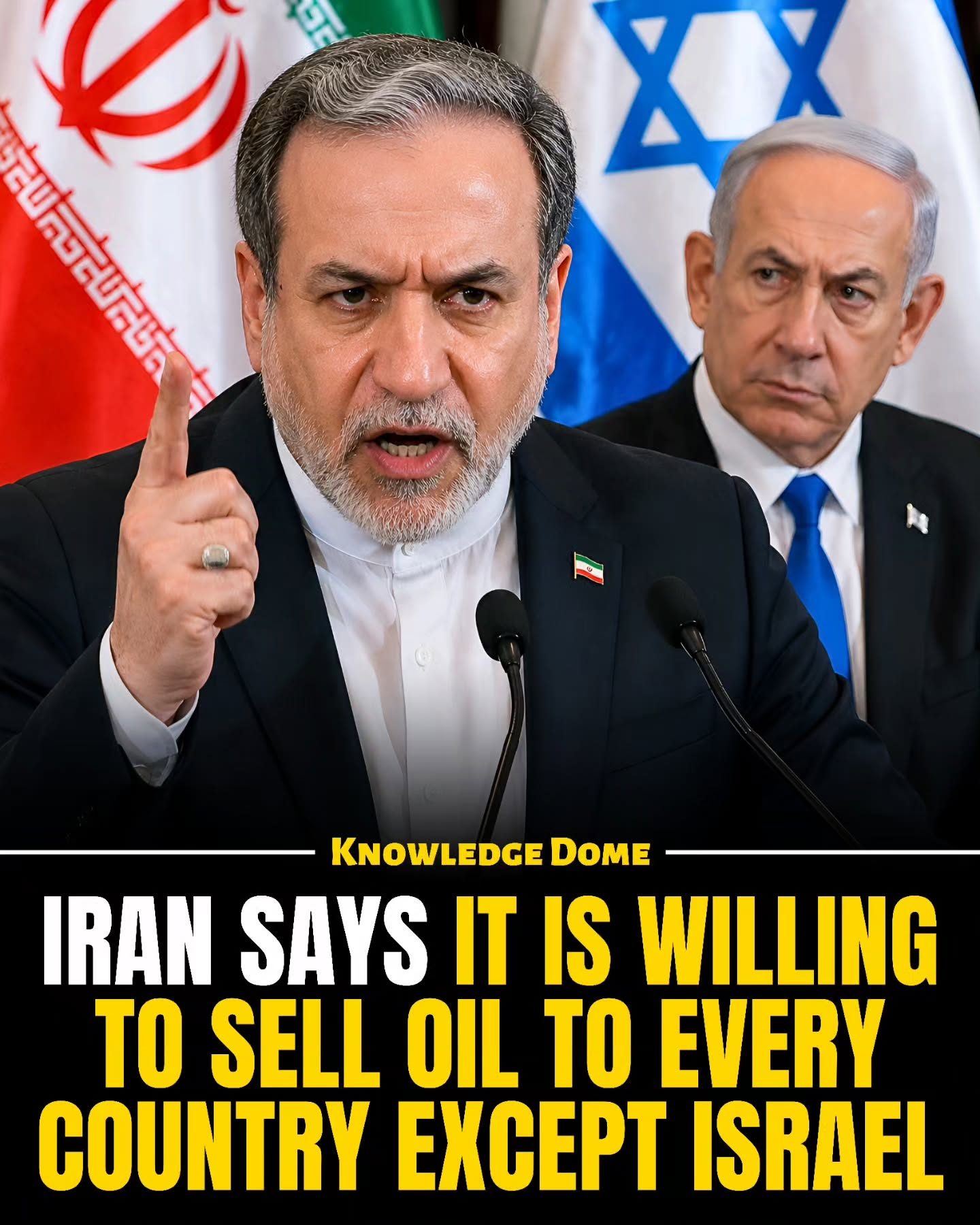
Iran’s Oil Sales Policy: A Complex Intersection of Trade and Politics
Iran has declared its readiness to sell crude oil, petroleum products, and petrochemicals to virtually every country in the world, with the notable exception of Israel. This statement is more than just a trade announcement; it's a significant political move that underscores Iran's determination to maintain and expand its energy business on the global stage. Let's delve into the context, implications, and nuanced details of this declaration.
Context: Why This Matters
Iran's willingness to sell oil to almost any buyer comes at a pivotal moment. The country has recently experienced a brief easing of energy sanctions, creating an opportunity to rebuild trade relations with countries eager to purchase its oil. China remains Iran's largest buyer, but the country is actively seeking to diversify its market, with India being a key target. This shift in strategy is driven by Iran's need to secure new markets and reduce its dependence on any single buyer.
The Geopolitical Landscape
Iran’s Strategic Moves
Iran's decision to sell oil to almost every country except Israel is a calculated move with several strategic implications. By opening its energy market to the world, Iran aims to bolster its economy and gain leverage in international negotiations.
Regional Tensions
The announcement also comes amidst rising tensions in the region. A spokesperson for Iran's Revolutionary Guards has warned that Iran could halt oil exports to countries aligned with the United States and Israel. This threat adds a layer of complexity to the situation, as it intertwines energy trade with geopolitical risks. The spokesman's statement indicates that Iran is prepared to use its energy as a bargaining tool and a potential weapon in response to perceived threats.
Iran’s Countermeasures
Iran has further stated that if its oil fields or ports are attacked, it may retaliate by striking oil and gas facilities connected to the U.S. and Israel across the Middle East. This escalation reflects Iran's heightened sensitivity to potential attacks and its readiness to defend its energy infrastructure at any cost.
U.S. Sanctions
Adding to the complexity, the United States has moved to reinstate energy sanctions, further intensifying the pressure on Iran. Iran has strongly criticized this move, deeming it unfair and unjust. This renewed sanctions regime complicates Iran's efforts to rebuild its energy trade, as it limits the number of countries willing to risk U.S. retaliation by engaging in business with Iran.
Implications for Global Oil Markets
The interlinking of oil trade, geopolitical tensions, and international politics creates a volatile mix that has significant implications for global oil markets. Iran's oil exports are a crucial component of the global energy supply, and any disruption in this supply could have far-reaching effects on energy prices and stability.
Iran's Energy Landscape
Diversifying Energy Trade
Iran's strategy to diversify its energy trade is essential for its economic stability and growth. By reaching out to new buyers, Iran aims to reduce its dependence on a single market and mitigate the impact of sanctions. This approach not only strengthens Iran's energy sector but also enhances its negotiating power in international relations.
Strengthening Economic Ties
The move to sell oil to more countries also strengthens Iran's economic ties with key global players. China, as Iran's largest buyer, is crucial for maintaining a stable energy market. Expanding into markets like India further diversifies Iran's customer base, providing a buffer against potential economic shocks and sanctions.
The Role of International Players
China and India
China and India are pivotal in Iran's energy strategy. China's continued support as a major buyer provides a stable market for Iranian oil, ensuring a steady revenue stream. Meanwhile, India's growing energy demands present an opportunity for Iran to expand its market and reduce its reliance on a single buyer.
The United States and Israel
The United States and Israel represent both challenges and opportunities for Iran. The U.S. sanctions add significant pressure, but they also underscore the strategic importance of Iran's oil reserves. Israel, on the other hand, is a geopolitical adversary, and Iran's decision to exclude it from its energy market is a clear political statement.
Practical Tips for Energy Market Participants
For countries and companies involved in the global energy market, navigating this complex landscape requires a nuanced approach:
Monitoring Geopolitical Risks
Keep a close eye on geopolitical developments in the Middle East. The volatile nature of the region means that sudden shifts in policy or tensions can have immediate impacts on energy trade and supply.
Diversifying Supply Chains
Diversify your supply chains to mitigate the risk of disruptions. Relying on a single source for energy imports increases vulnerability to geopolitical tensions and sanctions.
Building Resilient Networks
Develop resilient networks with multiple suppliers and buyers. This approach can help insulate against the challenges posed by sanctions and geopolitical risks.
Understanding Market Dynamics
Stay informed about market dynamics and shifts in energy policy. Understanding the underlying factors driving changes in the energy market can help in making informed decisions and adapting to new realities.
Important Takeaways
Iran's decision to sell oil to virtually every country except Israel is a significant move with far-reaching implications. It highlights Iran's determination to maintain and expand its energy business, even as it navigates a complex geopolitical landscape. The interplay of trade, politics, and potential conflict creates a dynamic environment that energy market participants must carefully navigate.
Conclusion
Iran's stance on oil sales is a multifaceted issue that combines economic strategy, geopolitical maneuvering, and potential conflict. As Iran looks to rebuild trade and seek new markets, the global energy landscape becomes increasingly intricate. By understanding the nuances of this situation, stakeholders can better navigate the challenges and opportunities it presents, ensuring stability and growth in the energy sector.
Watch the Reel
Questions readers ask
Why does Iran exclude Israel from its oil sales?
Iran's exclusion of Israel from its oil sales is primarily a political statement. It reflects the longstanding political tensions and lack of diplomatic relations between the two countries. This ban is also a strategic move to gain leverage in international negotiations and to maintain support from other countries in the region that share similar sentiments.
Which countries are the most likely buyers of Iranian oil?
Given Iran's current stance, the most likely buyers of Iranian oil are countries that have shown interest in maintaining or rebuilding trade relations with Iran. These typically include countries in Asia, such as China and India, as well as some European nations that have historically been significant importers of Iranian oil.
How do Iran's oil sales relate to its political strategy in the Middle East?
Iran's oil sales are intricately linked to its political strategy in the Middle East. By offering oil to nearly every country except Israel, Iran aims to diversify its market, gain leverage in international negotiations, and enhance its influence in regional politics. This strategy also helps counterbalance the influence of other major oil producers in the region.
What impact do sanctions have on Iran's oil exports?
Sanctions have a significant impact on Iran's oil exports, often leading to fluctuations in production and trade. Recent easing of sanctions has allowed Iran to increase its oil sales and rebuild trade relations. However, the sanctions can be reinstated or adjusted, which could again limit Iran's oil export capabilities and market reach.
How does Iran's oil ban on Israel affect regional dynamics?
Iran's oil ban on Israel affects regional dynamics by reinforcing political tensions and highlighting the deep-rooted animosity between the two nations. This ban also serves as a rallying point for other countries in the region that may share similar views on Israel, thereby influencing the broader geopolitical landscape of the Middle East.
Recent articles
Fresh deep dives from the latest Reels we unpacked.




Comments
Be the first to comment.