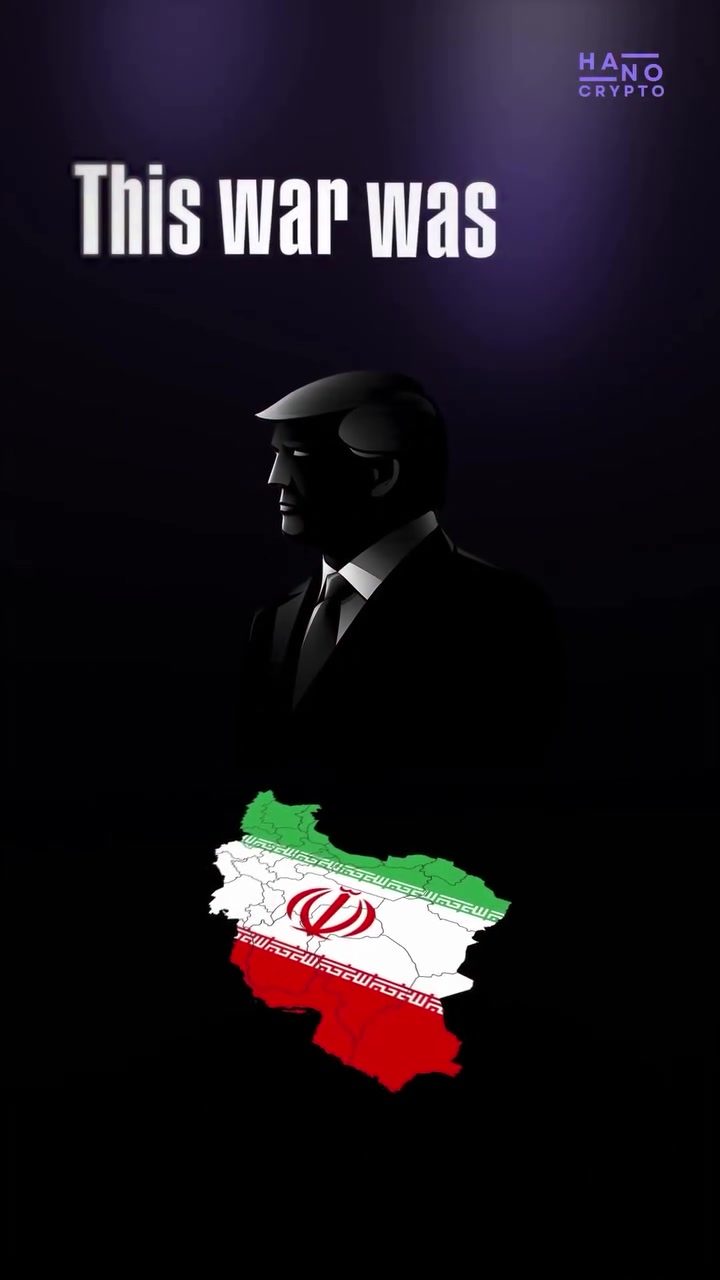
Iran Oil Exports and the Geopolitical Chess Game
Iranian oil exports have long been a focal point in global energy discussions, often overshadowed by immediate concerns such as missile strikes and oil prices. However, a deeper analysis reveals a strategic chess game that goes far beyond the surface-level noise. This game involves not just missiles, the Strait of Hormuz, or the immediate oil price fluctuations, but a complex web of geopolitical maneuvering that has significant long-term implications.
Context: The Geopolitical Chessboard
The geopolitics of oil is intricate, involving multiple actors with vested interests. Iranian oil exports, particularly the 80% that flow to Asia, play a pivotal role in this narrative. China, a significant importer of Iranian oil, has been quietly importing millions of barrels every month, even with sanctions in place. This has made Iran a discounted energy lifeline for China, which relies heavily on cheap energy to fuel its manufacturing and export-driven economic model.
The Strategic Move: Kharg Island and Venezuela
The strategic importance of Kharg Island, which handles 90% of Iran's oil exports, underscores the calculated nature of recent geopolitical moves. The targeting of Kharg Island was not an arbitrary act but a precision strike meant to disrupt China's supply chain. The move was part of a larger strategy that began before any direct conflict with Iran.
Before a single bomb was dropped on Iran, significant steps were taken to secure Venezuela, which has the largest proven oil reserves in the world. This move ensured that when Iranian supply disappears from global markets, the United States would have a replacement. This strategically positions the U.S. to leverage its energy reserves and influence global energy markets.
The Hidden Consequences
The downstream consequences of these strategic moves are enormous. Chinese manufacturing, which relies heavily on cheap energy, will face significant disruptions. The entire economic model of China, which depends on low input costs, has just undergone a permanent shift. Manufacturing costs will rise, impacting China's competitive edge in global markets.
Meanwhile, the United States, sitting on Venezuelan reserves, domestic production, and the strongest energy position it has had in decades, stands to gain significantly. The geopolitical landscape has shifted, with the U.S. holding a stronger hand in the game of energy security.
Practical Tips for Understanding the Geopolitics of Oil
For those looking to understand the geopolitics of oil and its impact on global energy security, here are a few practical tips:
- Stay Informed: Keep up with the latest news and analyses on global oil exports and imports, focusing on key players like Iran, China, and the United States.
- Analyze the Numbers: Pay attention to the statistics regarding oil reserves, production, and consumption. These numbers often tell a story that goes beyond the headlines.
- Understand the Interconnections: Recognize the interconnected nature of global energy markets. A disruption in one region can have ripple effects worldwide.
- Look Beyond Immediate Conflicts: Geopolitical maneuvers often have long-term strategic goals that go beyond immediate conflicts. Try to see the bigger picture.
Important Takeaways
- Iran as a Pawn: Iran has been used as a strategic pawn in a larger chess game, with the real target being China's energy architecture.
- Energy Security: The United States has significantly enhanced its energy security by securing Venezuelan oil reserves.
- Geopolitical Implications: The geopolitical landscape has shifted, with the U.S. holding a stronger hand in the game of energy security, while China faces significant challenges.
Conclusion
The geopolitics of oil is a complex and ever-evolving field. The strategic moves involving Iranian oil exports, Kharg Island, and Venezuelan reserves highlight the intricate nature of global energy politics. Understanding these dynamics is crucial for anyone looking to navigate the complexities of the energy market. The chess game continues, and the next moves will shape the future of global energy security.
Watch the Reel
Questions readers ask
Why is China a crucial player in the geopolitical chess game of Iranian oil exports?
China is a crucial player because it is a major importer of Iranian oil, with a significant portion of Iran's oil exports flowing to China. The discounted rates and abundance of Iranian oil have been beneficial for China's manufacturing economy. China's reliance on Iranian oil has also led to strategic partnerships that impact global energy dynamics.
What is the significance of Kharg Island in Iranian oil exports?
Kharg Island is a key terminal for Iranian oil exports, making it a strategic target in the energy war. It is where a significant volume of Iranian oil is loaded onto tankers bound for international markets, particularly Asia. Any disruption at Kharg Island can have a profound impact on Iran's oil export capabilities and global oil supply dynamics.
How do U.S. interests in Venezuela relate to the energy war with Iran?
U.S. interests in Venezuela's oil reserves are part of a broader energy strategy aimed at countering Iran's influence. By targeting both Iran's Kharg Island and U.S. interests in Venezuela, the energy war reveals a strategic effort to control global oil supply and prices, with implications for energy security and economic stability. Venezuela's oil reserves make it a critical player in the global energy market, and U.S. involvement can disrupt Iran's export strategies.
What role do Iranian oil discounts play in the energy dynamics with China?
Iranian oil discounts are a strategic tool used to secure and maintain strong trade relations with China. By offering discounted oil, Iran can attract and retain China as a major importer, which helps Iran's economy despite international sanctions. This practice also strengthens the bilateral energy relationship, making China more invested in Iran's success and stability, as it ensures a steady, reliable and affordable supply of oil.
How have Trump-era sanctions impacted Iran's oil exports and its relationships with China?
Trump-era sanctions significantly reduced Iran's oil exports by limiting its access to global markets. However, these sanctions also drove Iran to rely more heavily on China as a key importer. Despite international pressure, China continued to import Iranian oil, often at discounted rates. This further cemented the strategic energy partnership between Iran and China, with China becoming a critical lifeline for Iran's oil exports.
What are the long-term implications of the energy war involving Iranian oil exports?
The long-term implications of this energy war are far-reaching, affecting global oil supply, prices, and geopolitical dynamics. It can lead to increased volatility in oil markets, shifts in energy dependencies, and potential realignments in global power structures. The conflict may also drive innovations in energy technologies and alternatives, as countries seek to reduce their reliance on oil and diversify their energy sources.
How did the targeting of Kharg Island impact Iran's oil export capabilities?
The targeting of Kharg Island is a strategic move to disrupt Iran's oil export capabilities, as it is a critical hub for loading Iranian oil onto tankers. Such actions can significantly reduce Iran's ability to export oil, leading to economic turbulence and impacting Iran's geopolitical influence. This disruption can also cause ripple effects in global oil markets, affecting supply and prices.
Recent articles
Fresh deep dives from the latest Reels we unpacked.




Comments
Be the first to comment.