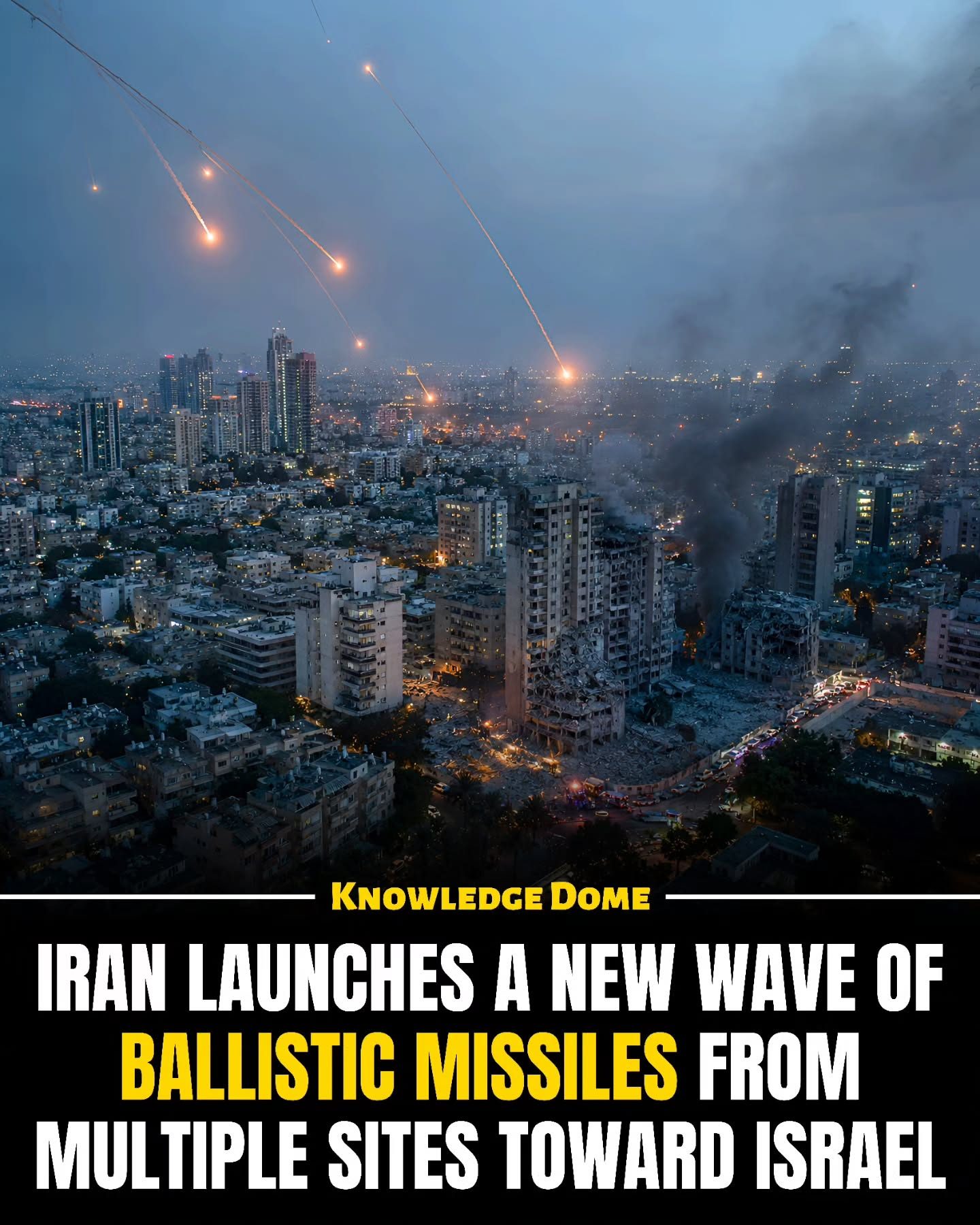
Iran Launches Ballistic Missiles Toward Israel
Iran has launched multiple waves of ballistic missiles from various locations, directing these attacks at central and southern Israel. The Israeli Defense Forces (IDF) swiftly activated their air defense systems in response, issuing warnings across the country as sirens blared in major cities such as Jerusalem, Tel Aviv, and Beersheba. This escalation is part of a broader conflict, with the Islamic Revolutionary Guard Corps (IRGC) claiming that the attack, dubbed “Operation Nasr,” targeted Israel’s Nevatim and Tel Nof airbases. Let's dive deeper into the recent events and their implications.
Why This Matters
Understanding the complexities of this conflict is crucial for comprehending the geopolitical dynamics in the Middle East. The recent missile launches and subsequent air defense responses highlight the ongoing tensions between Iran and Israel, which have often led to escalating military actions. This situation not only affects the immediate regions but also has broader implications for international stability and security.
The Missile Launch and Defense Response
Multiple waves of ballistic missiles were launched from various sites in Iran, targeting strategic locations in central and southern Israel. The IDF activated their sophisticated air defense systems, including the Iron Dome, David’s Sling, and Arrow, to intercept the incoming threats. These systems are designed to detect, track, and destroy incoming missiles, providing a critical layer of defense for Israeli civilians and key infrastructure.
Reports from the ground indicate that loud explosions were heard as missiles were successfully intercepted in the sky. The effectiveness of these defense systems was crucial in preventing direct casualties, although some debris from intercepted missiles did cause property damage and power outages in nearby areas. In Southern Israel, a projectile or debris hit near a major electrical site, causing power cuts in the surrounding communities.
Impact on Civilian Life and Safety
The missile launch and the subsequent air defense actions had a significant impact on civilian life. Emergency teams reported no direct deaths in the latest wave of attacks, but some injuries occurred as people rushed to shelters. The psychological impact was also notable, with many people treated for panic and anxiety. Some homes and buildings were damaged, adding to the disruption and fear experienced by the civilian population.
Additionally, the missile attacks disrupted air travel, with some flights being diverted to Cyprus for safety reasons. This illustrates the far-reaching effects of such military actions, which can impact not only the targeted areas but also the broader transportation and travel infrastructure.
Military and Political Context
The missile launch is part of a broader series of recent escalations. Prior to this, there was a surge in fighting overnight, including Israeli airstrikes within Iran and a separate missile launch toward central Israel by Yemen’s Houthi movement. This latest attack is a continuation of the ongoing conflict, underscoring the heightened tensions in the region.
The IDF Home Front Command has advised civilians in affected areas to stay in shelters or protected rooms until the all-clear signal is given. This is a standard protocol in such situations, aimed at minimizing civilian casualties and ensuring public safety during periods of heightened conflict.
Practical Tips for Safety During Missile Attacks
For those living in areas affected by such conflicts, it is crucial to follow the guidelines provided by local authorities. Here are some practical tips for staying safe during missile attacks:
- Stay Informed: Keep updated with the latest alerts and warnings from local authorities. Have multiple sources of information, including reliable news outlets and official government announcements.
- Know Your Shelter: Identify the nearest and safest shelter in your area. Make sure your family members know where to go in case of an emergency.
- Stay Calm: Panic can lead to poor decisions. Stay calm and follow the instructions given by emergency services.
- Have an Emergency Kit: Prepare an emergency kit with essentials such as water, food, a first-aid kit, and any necessary medications.
- Secure Your Home: If you are not able to reach a shelter, stay in the most protected part of your home, such as a basement or an interior room without windows.
Important Takeaways
The recent missile launch by Iran toward Israel highlights the ongoing geopolitical tensions in the Middle East. The effective use of Israel’s advanced air defense systems has been crucial in minimizing civilian casualties and property damage. However, the situation underscores the need for continued vigilance and preparedness in affected areas. Staying informed, knowing your safety protocols, and being prepared with an emergency plan are essential steps for navigating such conflicts.
Conclusion
The recent escalation in tensions, marked by Iran's missile launch toward Israel, serves as a stark reminder of the volatile nature of geopolitical conflicts in the Middle East. The effective deployment of air defense systems and the resilience of civilian populations are critical in mitigating the impact of such events. As the situation evolves, it is essential to stay informed and prepared, ensuring that safety measures are in place to protect lives and infrastructure. This is a complex and evolving situation, and the efforts of both military and civilian authorities will continue to be crucial in managing the fallout and ensuring the safety of all involved.
Watch the Reel
Questions readers ask
What types of missiles did Iran launch towards Israel?
Iran launched multiple waves of ballistic missiles as part of their attack, specifically targeting central and southern Israel. These missiles were launched from various locations, part of an operation dubbed 'Operation Nasr'.
How did Israel respond to the missile launches?
Israel swiftly activated its air defense systems, including the Iron Dome and Arrow systems, to intercept the incoming missiles. The Israeli Defense Forces (IDF) issued warnings across the country, with sirens sounding in major cities like Jerusalem, Tel Aviv, and Beersheba.
What were the primary targets of Iran's missile strikes?
According to the Islamic Revolutionary Guard Corps (IRGC), the primary targets of Iran's missile strikes were Israel’s Nevatim and Tel Nof airbases. These locations are strategic military sites, highlighting the significance of the attack.
What is the significance of the Iron Dome in Israel's defense strategy?
The Iron Dome is a critical component of Israel's defense strategy, designed to intercept and destroy short-range rockets and artillery shells. Its activation during the recent missile attacks demonstrates its role in protecting Israeli civilians and infrastructure.
How have recent events impacted geopolitical dynamics in the Middle East?
The recent missile attacks by Iran have heightened tensions and underscored the ongoing geopolitical instability in the Middle East. This conflict is part of a broader regional struggle, with implications for both local and global security.
What should residents of central and southern Israel do during missile alerts?
During missile alerts, residents of central and southern Israel should immediately follow the instructions provided by the IDF and local authorities. This typically involves seeking shelter in designated safe areas and remaining indoors until the all-clear is given.
What is the broader context of the Iran-Israel conflict?
The Iran-Israel conflict is deeply rooted in regional power struggles and ideological differences. Recent missile attacks are part of an ongoing series of events, with both nations employing various military and strategic measures to assert their influence in the Middle East.
Recent articles
Fresh deep dives from the latest Reels we unpacked.




Comments
Be the first to comment.