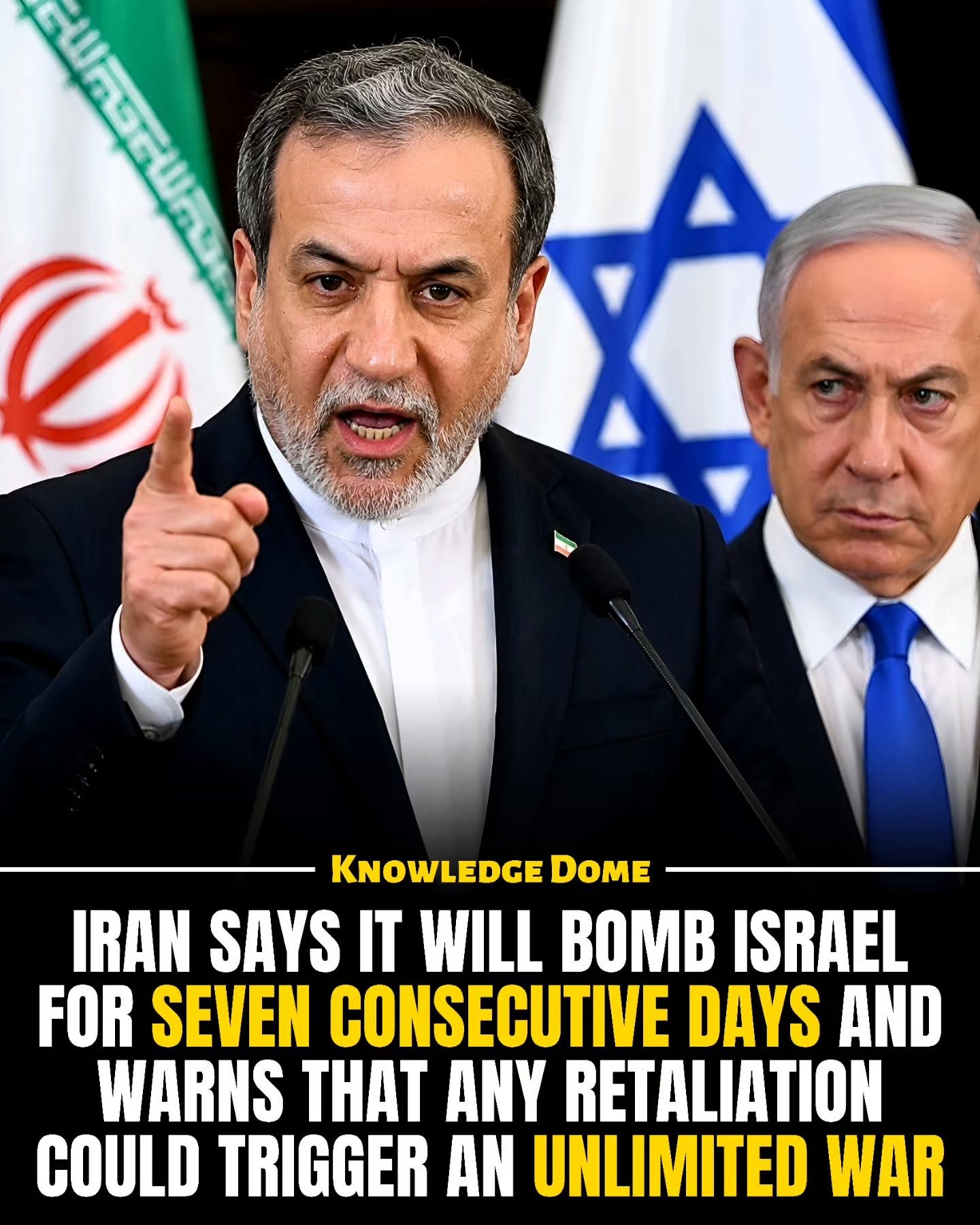
Geopolitical Tension Between Iran and Israel
The recent geopolitical tension between Iran and Israel has reached a critical point, with both sides exchanging threats and retaliatory actions. Iranian military leaders have declared a pause in direct attacks on Israel, but have also issued a stern warning that any future Israeli attacks inside Lebanon or Iran will provoke a significantly stronger response. This delicate situation comes after several days of escalating attacks and threats, leaving both countries on edge.
Context / Why This Matters
The Middle East has long been a region of strategic and geographical importance, home to significant oil reserves, and deeply rooted historical, religious, and cultural ties. The ongoing conflict between Iran and Israel is a major geopolitical issue with far-reaching implications. Understanding the dynamics at play is crucial, as the situation could potentially destabilize the entire region, drawing in other major powers and potentially leading to a broader conflict.
Main Discussion
Missiles and Drones
The conflict saw Iran employing a barrage of missiles and drones. Iranian military leaders emphasized that these strikes were meant as a warning, not the beginning of a full-scale war. Nonetheless, the threat of further escalation remains high, as Iran’s Revolutionary Guard has explicitly stated that continuing Israeli attacks could swiftly spread the conflict across the region.
Israel's Response
In response, Israeli Prime Minister Benjamin Netanyahu has sent a clear message to Tehran: Israel will retaliate if attacked. Netanyahu asserted that Israel possesses the capability to strike targets anywhere in the Middle East, a statement that underscores Israel's military prowess and resolve.
U.S. Involvement
U.S. President Donald Trump has called for an immediate cessation of hostilities, expressing concern that the conflict is complicating peace efforts in the region. Trump's intervention highlights the global significance of the situation and the potential for broader geopolitical consequences.
Threat Analysis
However, it's important to consider the more immediate local concerns. Iran’s warning about retaliating to Israeli aggression inside Lebanon or Iran is particularly significant. Lebanon, already a politically fragile state with its own internal challenges, could become a flashpoint for wider conflict. Additionally, any confrontation involving Iran and Israel has the potential to draw in other regional players, including Hezbollah in Lebanon, Syria, and even non-state actors.
Practical tips
Stay Informed
Staying informed about the latest developments is crucial. The situation is fluid, and new information can emerge quickly. Follow reliable news sources for the most current updates.
Understand the Players
Understanding the key players and their motivations can provide valuable context. Iran, Israel, and other regional actors have complex relationships and differing interests. Keeping an eye on their public statements and actions can help make sense of the escalating tensions.
Regional Implications
The broader Middle East is closely knit, and conflicts in one area can quickly spill over into neighboring countries. Keeping an eye on the potential spillover effects is important, particularly in countries like Lebanon, Syria, and even Turkey.
Important Takeaways
Escalation Risk
The primary takeaway is the risk of escalation. Despite the current pause, both Iran and Israel have made it clear that further attacks could lead to a much larger conflict. The situation remains volatile, and the potential for a broader war is real.
Regional Impact
The conflict has significant implications for the entire Middle East. The region is already grappling with various crises, and the tensions between Iran and Israel could exacerbate these issues, potentially drawing in other regional and global powers.
Global Attention
The conflict has drawn the attention of the global community, including the United States. The involvement of major powers underscores the broader geopolitical significance of the situation and the potential for international diplomacy to play a role in de-escalating tensions.
Conclusion
The current geopolitical tension between Iran and Israel is a complex and multifaceted issue. While both sides have called for a pause to avoid immediate escalation, the underlying tensions and threats of retaliation remain. Understanding the motivations, capabilities, and potential responses of both Iran and Israel is crucial for anyone interested in the trajectory of geopolitical dynamics in the Middle East. As the situation unfolds, keeping a close watch on developments and understanding the broader implications is crucial.
Watch the Reel
Questions readers ask
Why is Iran threatening a stronger response to Israeli attacks?
Iran's warning comes as a response to recent Israeli attacks on its territory and interests. Iranian military leaders have stated that future attacks will provoke a significantly stronger response, suggesting a shift in their approach to deterring Israeli aggression. Iran is also concerned about Israeli attacks in Lebanon, which could destabilize the region.
What are the key geopolitical concerns in the Iran-Israel conflict?
The Iran-Israel conflict is driven by several geopolitical concerns, including control over strategic resources like oil, historical and religious tensions, and the potential for broader regional destabilization. Both countries have significant military capabilities and alliances, which adds complexity to the situation.
Who is Benjamin Netanyahu in the context of the Iran-Israel conflict?
Benjamin Netanyahu is the current Prime Minister of Israel. He has been a strong advocate of a tough stance against Iran, and his policies have significantly influenced Israel's approach to the ongoing conflict, including the recent attacks on Iranian targets.
What are Iran's military capabilities in response to Israeli attacks?
Iran possesses a range of military capabilities, including a substantial missile arsenal, a well-equipped navy and air force, and a strong domestic defense industry. Additionally, Iran has the support of regional allies, such as Hezbollah in Lebanon, which could play a role in any escalation of the conflict.
How might the Iran-Israel conflict affect the broader Middle East?
The conflict between Iran and Israel has the potential to destabilize the entire Middle East region. Both countries have significant influence and allies in the region, and any escalation could draw in other actors, leading to a wider conflict. The conflict could also impact global oil prices and disrupt trade routes.
What is the significance of the recent Israeli attacks on Lebanon in the context of this conflict?
The recent Israeli attacks on Lebanon have escalated tensions and prompted a strong warning from Iran. Lebanon is a strategic location due to its proximity to Israel, and the presence of the Lebanese militant group Hezbollah, which is backed by Iran. Any destabilization in Lebanon could further complicate the conflict and draw in regional actors.
Recent articles
Fresh deep dives from the latest Reels we unpacked.




Comments
Be the first to comment.