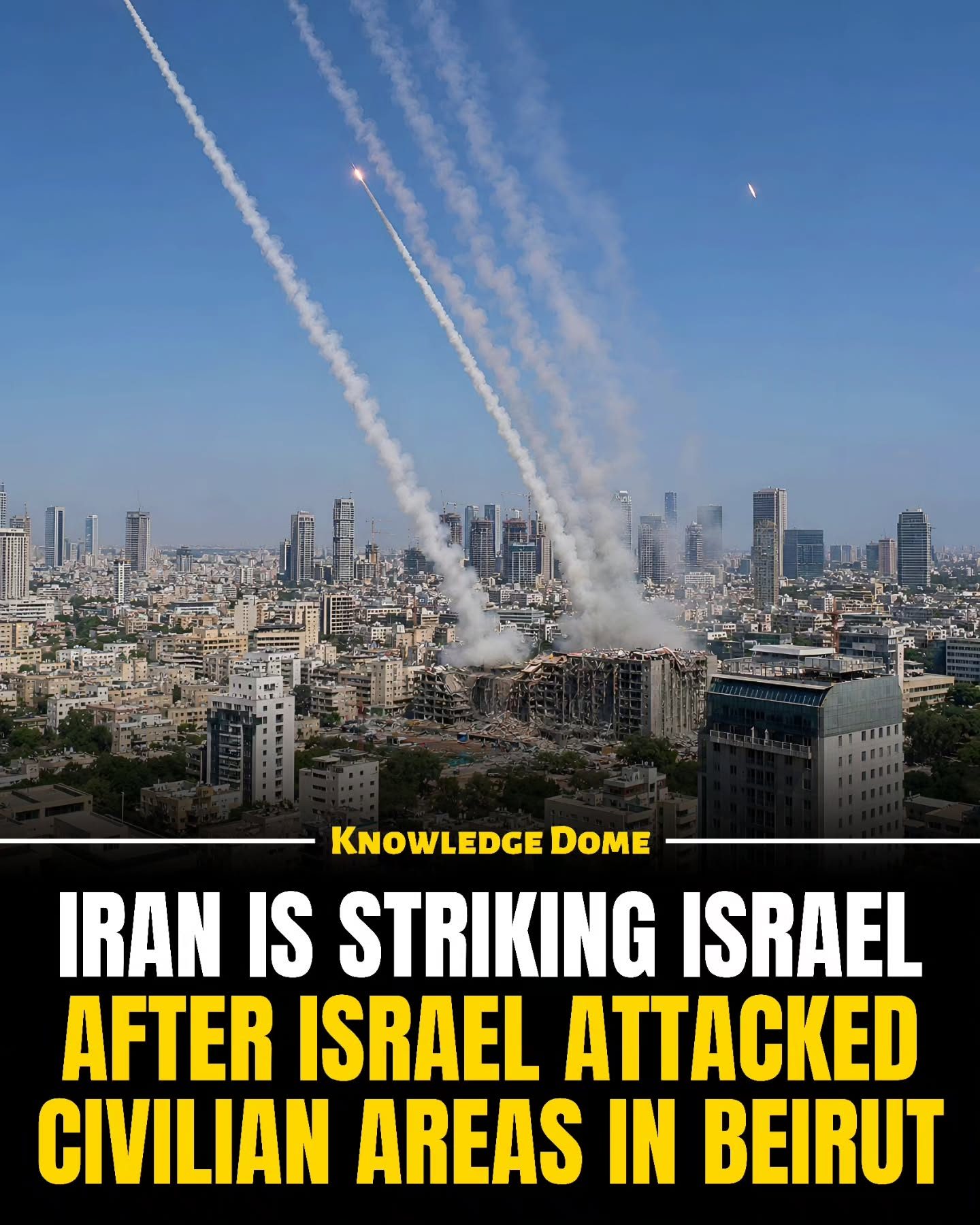
Geopolitical Conflict: The Escalating Tensions Between Iran, Israel, and Lebanon
The recent geopolitical conflict between Iran and Israel, escalated by Israeli airstrikes in Beirut, has sent shockwaves through the region. This escalation has brought the Middle East to the brink of a wider conflict, with Iran's missile attacks on Israel and the potential for American involvement adding to the complexity and severity of the situation.
Context: The Crisis in the Middle East
The Middle East has long been a region of geopolitical tension, with Israel and Iran at the center of many recent conflicts. The latest escalation began with Israeli airstrikes on the Dahieh area of southern Beirut, Lebanon. This area is known for its dense population, and the strike resulted in significant civilian casualties, with at least two people killed and twenty others injured. The Israeli strikes were aimed at what Israel labeled as "terrorist headquarters," though the targeting of civilian areas is a contentious issue that has drawn widespread criticism.
Iranian Retaliation
Iran's response to the airstrikes was swift and decisive. Iranian officials had previously warned of an imminent response if Beirut was attacked, and their threats were realized when a wave of missiles was launched towards Israel. The missile attacks targeted northern Israel, including major cities like Haifa and Nazareth. The Israel Defense Forces (IDF) reported that their air defense systems successfully intercepted many of the missiles, but there were early indications of damage in Tiberias. This retaliation highlights the volatile nature of the conflict and the seriousness with which Iran views any actions against Lebanon.
Regional Implications
The recent attacks have raised tensions across the region, putting the fragile ceasefire under immense pressure. The conflict has also raised concerns about the potential for further escalation, with Iranian officials warning that the response could grow and potentially include American and Israeli targets in the region. The United States, a key ally of Israel, has long been involved in Middle Eastern conflicts, and any further escalation could draw them deeper into the current crisis.
Geopolitical Dynamics
Iran and Israel: A Longstanding Rivalry
The conflict between Iran and Israel is rooted in a longstanding rivalry that dates back decades. Iran, a predominantly Shi'ite Muslim country, has historically been a vocal opponent of Israel, seeing it as a Western-backed entity in the Middle East. Iran's support for various militant groups, including Hezbollah in Lebanon and Hamas in Gaza, has further strained relations. The Israeli government, on the other hand, views Iran as a significant threat due to its nuclear ambitions and support for regional proxies.
Lebanon: A Key Battleground
Lebanon has often been a focal point for conflicts between Iran and Israel. The Dahieh area, specifically, is a stronghold for the Iranian-backed Hezbollah militia, which has been involved in numerous conflicts with Israel. The airstrikes on this area have led to significant backlash, not only from Iran but also from Hezbollah and other Lebanese factions. The civilian casualties have further fueled the tension, making it a highly sensitive issue in the region.
The Role of the United States
The United States plays a pivotal role in the geopolitics of the Middle East. As a major ally of Israel, the U.S. has often been drawn into conflicts in the region. The recent attacks have renewed concerns about the potential for American involvement, especially if the conflict escalates further. U.S. officials have already expressed their support for Israel, but any direct involvement could have far-reaching consequences, not only for the U.S. but also for the broader geopolitical landscape.
Practical Tips for Understanding the Conflict
Stay Informed with Reliable Sources
Understanding the complexities of the geopolitical conflict requires access to reliable and up-to-date information. Follow reputable news outlets and analysis from experts in the field to stay informed about the latest developments. This includes monitoring statements from Iranian, Israeli, and Lebanese officials, as well as reports from international bodies.
Watch for Escalation Signals
Escalation in this conflict is a real possibility, and it's important to be aware of the signals that indicate a worsening situation. Pay attention to statements from Iranian officials, Israeli military actions, and the reactions of Hezbollah and other Lebanese factions. Any indication of further military action or escalation in rhetoric should be taken seriously.
Understand the Broader Implications
The conflict between Iran and Israel has broader implications for the region and the international community. Understanding these implications can help in assessing the potential outcomes and the impact on global stability. Keep an eye on how other regional players, including Saudi Arabia, Turkey, and Egypt, respond to the conflict, as their actions can significantly influence the situation.
Important Takeaways
The escalating geopolitical conflict between Iran and Israel is a complex and volatile situation that has the potential to destabilize the entire Middle East. The recent airstrikes in Beirut and subsequent Iranian missile attacks on Israel have raised tensions to a critical level, with the fragile ceasefire under immense pressure. The involvement of Hezbollah and the potential for American intervention further complicates the situation, making it a high-stakes game of geopolitical chess.
The Impact on Civilian Populations
One of the most significant takeaways from this conflict is the impact on civilian populations. The airstrikes in Beirut resulted in significant civilian casualties, highlighting the human cost of geopolitical tensions. As the conflict escalates, the risk to civilian lives increases, making it a pressing humanitarian concern.
The Role of International Diplomacy
International diplomacy will play a crucial role in resolving the conflict. Efforts by the United Nations, the European Union, and other international bodies to broker a ceasefire and promote dialogue between the conflicting parties are essential. The success of these efforts will depend on the willingness of all parties to engage in meaningful negotiations and compromise.
The Need for Regional Stability
The geopolitical conflict underscores the need for regional stability. The Middle East has long been a hotbed of conflict, and the recent escalations serve as a stark reminder of the challenges that lie ahead. Achieving stability in the region will require concerted efforts from all stakeholders, including Iran, Israel, Lebanon, and the international community.
Conclusion
The geopolitical conflict between Iran and Israel, triggered by the airstrikes in Beirut, has brought the Middle East to a critical juncture. The escalating tensions, the involvement of Hezbollah, and the potential for American intervention make this a high-stakes situation with far-reaching consequences. Understanding the dynamics of this conflict, staying informed, and recognizing the broader implications are essential for navigating this complex and volatile geopolitical landscape.
Watch the Reel
Questions readers ask
What sparked the recent escalation in tensions between Iran and Israel?
The recent escalation in tensions between Iran and Israel began with Israeli airstrikes on the Dahieh area of southern Beirut, Lebanon. This densely populated civilian area is known for its dense population, and the strike resulted in significant civilian casualties, prompting a strong response from Iran.
How has Iran retaliated against Israel's airstrikes in Beirut?
In response to the Israeli airstrikes, Iran launched missile attacks targeting Israel. This retaliatory action has heightened the risk of further military engagements and has drawn international attention, including the potential for American involvement.
What is the significance of the Dahieh area in southern Beirut?
The Dahieh area in southern Beirut is a densely populated civilian neighborhood. The Israeli airstrikes in this area have led to significant civilian casualties, drawing condemnation and prompting a strong response from Iran and Lebanon. The civilian impact of the conflict has been of particular concern in the aftermath.
Why is there a risk of American involvement in the conflict?
The potential for American involvement stems from the complex geopolitical dynamics in the Middle East. The U.S. has strategic alliances and interests in the region, particularly with Israel, which could draw it into the conflict if the situation escalates further, giving rise to concerns about the potential for regional war.
What are the implications of Iranian missile attacks on Israel?
Iranian missile attacks on Israel signify a significant escalation in the conflict, raising the stakes and the potential for a wider regional war. These attacks have underscored the heightened tensions and the potential for further military responses, creating a volatile situation in the Middle East.
How has Lebanon been affected by the recent geopolitical tensions?
Lebanon has been directly affected by the recent geopolitical tensions due to the Israeli airstrikes in Beirut, particularly in the Dahieh area. These airstrikes have resulted in civilian casualties and significant damage, further exacerbating the humanitarian crisis in the country and drawing Lebanon into the broader conflict.
What role do regional defense strategies play in the ongoing conflict?
Regional defense strategies are crucial in the ongoing conflict as they determine how each country responds to threats and attacks. These strategies involve military preparedness, alliances, and potential countermeasures, which are vital for maintaining security and deterring further escalation in the conflict.
Recent articles
Fresh deep dives from the latest Reels we unpacked.




Comments
Be the first to comment.