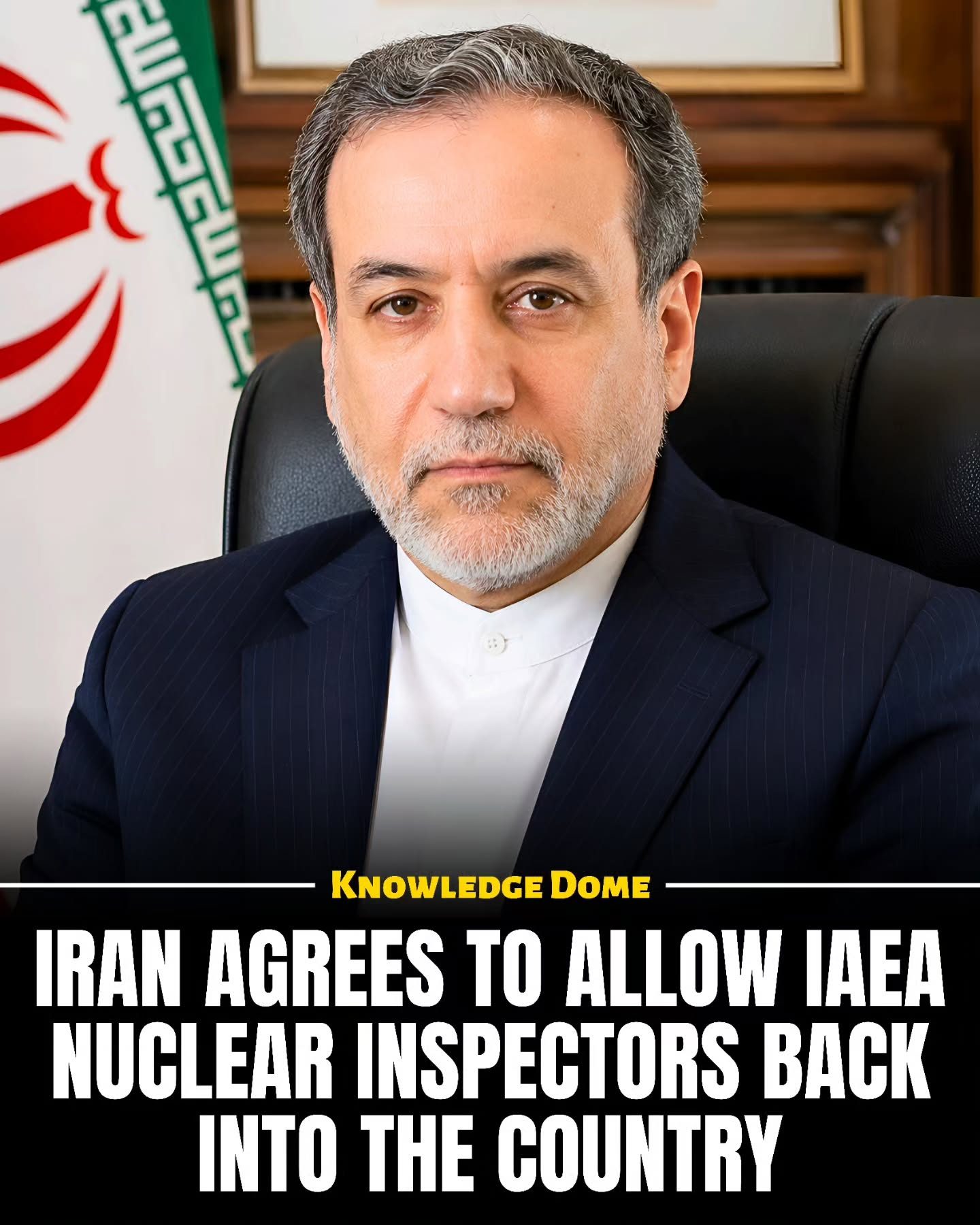
The Escalating Tensions Between the U.S., the IAEA, and Iran
Iran's nuclear program has been a contentious issue for decades, with recent developments escalating tensions between the United States, the International Atomic Energy Agency (IAEA), and Iran. The latest dispute centers around a newly signed agreement that has divided the parties on critical issues such as nuclear inspections and uranium stockpiles.
Understanding the Dispute
The core issue revolves around the IAEA's role in inspecting Iran's nuclear sites and overseeing its uranium stockpile. The U.S. and the IAEA assert that a new agreement mandates that Iran must let IAEA inspectors return to the country. This is seen as a crucial step in preventing Iran from developing nuclear weapons and in monitoring the nation's uranium reserves.
However, Iran's stance is markedly different. Iranian officials have firmly rejected the idea that they agreed to immediate access for inspectors. They maintain that no such commitment was made during the early talks in Switzerland. Furthermore, Iran has stated that it will not provide immediate access to the nuclear sites damaged by past U.S. and Israeli strikes. Iran insists that the matter of full inspections will only be resolved in a final peace agreement, contingent on the removal of all sanctions.
The Role of the IAEA
IAEA chief Rafael Grossi has been vocal about the necessity of inspections. He has stated that the agency will supervise future nuclear activities in Iran, including the reduction of Iran's highly enriched uranium stockpile. This oversight is critical for ensuring compliance with international agreements and maintaining transparency.
Sanctions and the Strait of Hormuz
Adding to the complexity, the U.S. Treasury has reportedly granted Iran a temporary 60-day sanctions waiver. This waiver is linked to keeping the Strait of Hormuz open, a critical maritime route, and to facilitating the return of IAEA inspectors. This temporary measure highlights the delicate balance of international diplomacy and security concerns in the region.
Future Negotiations
With the interim agreement set to expire, more talks are anticipated in Switzerland on June 29 or 30. The upcoming discussions are crucial for resolving the current standoff and forging a path forward. The stakes are high, and the outcome will significantly impact international relations and regional stability.
Practical Tips for Understanding the Situation
To better grasp the intricacies of this dispute, it's helpful to stay informed about key players and their positions. Here are some practical tips:
-
Follow Official Statements: Keep an eye on official statements from the U.S. State Department, the IAEA, and Iranian officials. These statements provide firsthand insights into their respective positions and any changes in stance.
-
Monitor Media Reports: Reliable news sources can offer comprehensive coverage and analysis of the situation. Look for reports from reputable international news outlets.
-
Understand the Historical Context: The current dispute is rooted in years of tense negotiations and disagreements. Familiarizing yourself with the historical context can provide a deeper understanding of the issues at play.
-
Stay Updated on Regional Developments: The situation in the Middle East is dynamic, and developments in Iran, the U.S., and other regional players can have significant impacts on the dispute.
Important Takeaways
The dispute between the U.S., the IAEA, and Iran underscores the complex nature of international diplomacy and nuclear non-proliferation efforts. Key takeaways include:
- Divergent Positions: The U.S. and IAEA advocate for immediate inspections, while Iran insists on resolving the issue in a final peace deal with the removal of sanctions.
- Regional Stability: The situation has significant implications for regional stability, particularly regarding the Strait of Hormuz.
- Ongoing Negotiations: The upcoming talks in Switzerland are critical for finding a resolution and preventing further escalation.
Conclusion
The dispute over Iran's nuclear program and the return of IAEA inspectors highlights the delicate balance of international diplomacy, security concerns, and the need for cooperation. As negotiations continue, the outcomes will shape the future of regional stability and global nuclear policy. Staying informed and understanding the positions of key players is essential for navigating this complex issue.
Watch the Reel
Questions readers ask
What is the primary cause of the current dispute between Iran and the IAEA?
The primary cause of the current dispute between Iran and the IAEA is the disagreement over the terms of access for inspectors to Iran's nuclear sites. Iran and the IAEA have differing views on the extent of oversight and access that should be granted to inspectors.
Why has the U.S. granted Iran a temporary sanctions waiver?
The U.S. has granted Iran a temporary sanctions waiver to keep a crucial maritime route open and to facilitate IAEA inspections. This waiver is intended to maintain open channels of international cooperation and ensure that inspections can proceed without disruption.
What role does the IAEA play in the Iran nuclear dispute?
The IAEA plays a crucial role in the Iran nuclear dispute by conducting inspections of Iran's nuclear sites and overseeing its uranium stockpile. The agency aims to ensure that Iran's nuclear activities remain peaceful and to verify compliance with international agreements.
What are the key points of contention in the Iran IAEA negotiations?
The key points of contention in the Iran IAEA negotiations include the terms of access for inspectors, the oversight of Iran's uranium stockpile, and the interpretation of international agreements. Additionally, the negotiations are complicated by ongoing tensions between the U.S. and Iran.
How does the dispute impact international relations and security?
The dispute impacts international relations and security by creating uncertainty and tension in the Middle East and beyond. It also affects global efforts to prevent nuclear proliferation and maintain regional stability, and may have implications for trade, diplomacy, and international cooperation around the world.
What steps can be taken to resolve the dispute between Iran and the IAEA?
To resolve the dispute, diplomatic efforts, negotiations, and open dialogue are needed. Iran and the IAEA must find common ground on the terms of access for inspectors and the oversight of Iran's nuclear activities. International support and cooperation, including from the U.S., are crucial in facilitating a resolution.
What happens if Iran does not comply with the IAEA's inspection requirements?
If Iran does not comply with the IAEA's inspection requirements, it could lead to further international sanctions, diplomatic isolation, and increased tensions in the region. The international community may also pursue additional measures to prevent Iran from developing nuclear weapons, potentially escalating the dispute.
Related deep dives
Similar reads based on topic and creator.


Recent articles
Fresh deep dives from the latest Reels we unpacked.




Comments
Be the first to comment.