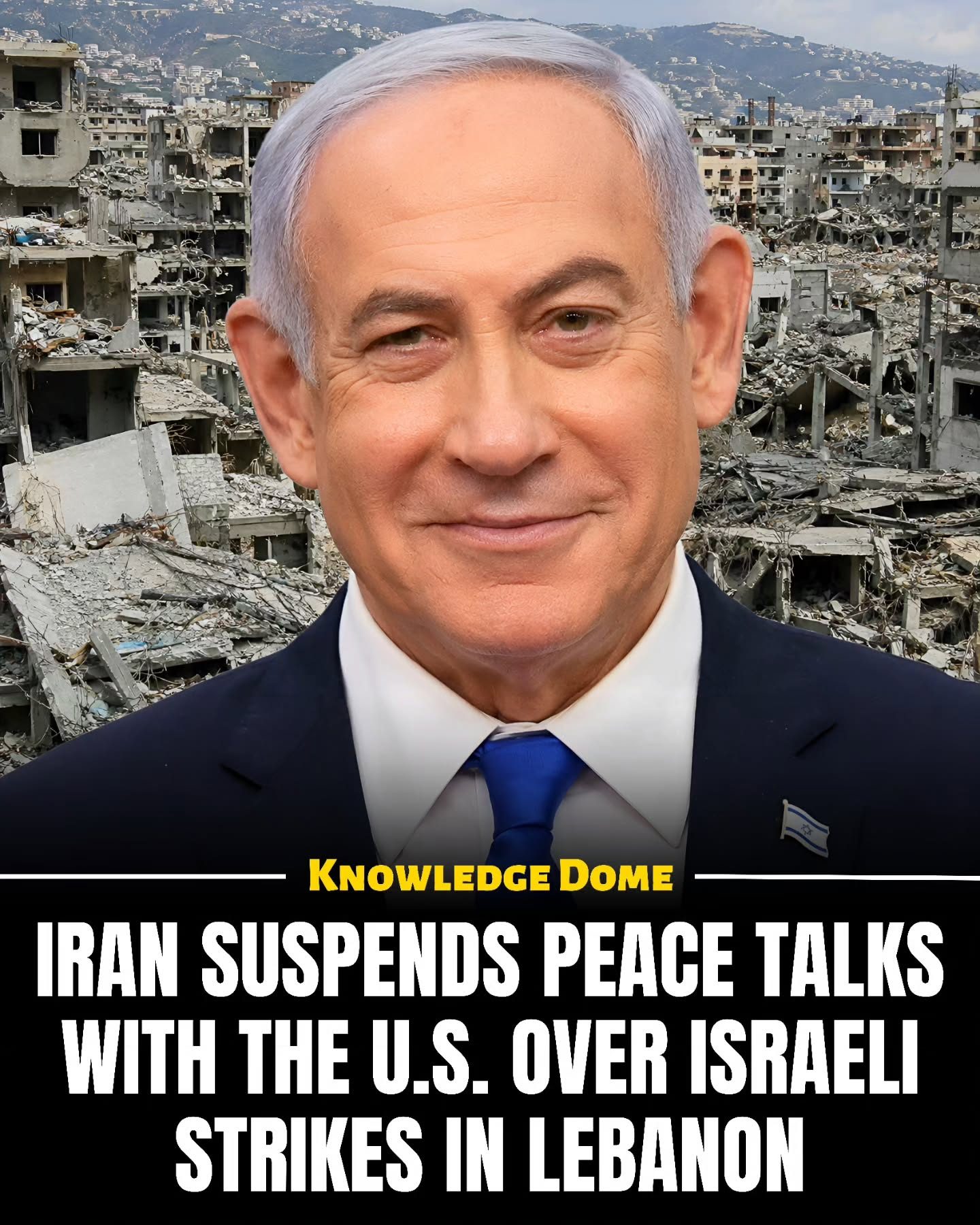
Iran Suspends Peace Talks with the United States
Iran has officially suspended its indirect peace talks with the United States, citing growing military attacks by Israel in Lebanon as the primary reason. This sudden halt in diplomatic efforts has significant implications for regional stability and the ongoing conflict in the Middle East. The suspension is noteworthy for several reasons, including Iran's specific demands for a comprehensive ceasefire and the complex dynamics involving the United States and Israel.
Context / Why This Matters
The suspension of peace talks between Iran and the United States is a critical development in the broader Middle Eastern conflict. At a time when the region is already tense and fragile, this move heightens uncertainty and potential escalation. The indirect talks, mediated through various channels, were aimed at reducing tensions and finding a diplomatic solution to the ongoing hostilities. The breakdown of these talks could lead to further military action, affecting regional stability and global security.
The Suspension of Peace Talks
Iran's decision to stop the peace talks is rooted in its frustration with Israel’s military activities in Lebanon. Reports indicate that the Iranian team has also ceased communication through mediators, further complicating the peace process. Iran insists on a comprehensive ceasefire that covers all fronts, not just one side of the conflict. Iranian officials argue that if fighting persists in any area, the ceasefire is ineffective.
Israel, on the other hand, is accused of escalating its military presence in Lebanon, with increased strikes, threats, and ground operations. This aggressive stance has made it challenging to reach a ceasefire agreement. The situation is further complicated by the mixed messages from the United States, with President Trump initially suggesting that the talks were progressing quickly, while Iranian officials insist they are frozen.
This conflicting narrative adds to the complexity of the situation, making it difficult to gauge the true status of the negotiations. The United States has also been accused of creating ambiguity in its stance, which may further complicate efforts to find a peaceful resolution.
Iran's Conditions for Reopening the Strait of Hormuz
Iran has set specific conditions for reopening the Strait of Hormuz, a critical waterway for global oil trade. The country insists that the United States must lift its naval pressure and secure a permanent peace deal before any reopening can occur. This demand adds another layer of complexity to an already tense situation.
The Strait of Hormuz is a strategic chokepoint, and its closure could have severe economic implications globally. Iran's demand for a permanent peace agreement before reopening the strait underscores the broader geopolitical stakes involved in the current conflict. The United States, meanwhile, must navigate this delicate situation while balancing its interests in the Middle East and maintaining stability in the region.
The Israel-Lebanon Ceasefire Effort
The Israel-Lebanon ceasefire effort remains fragile and fraught with tension. Both sides have been engaged in sporadic fighting, making it difficult to achieve a lasting ceasefire. Israel's ongoing military strikes and Lebanon's resistance to these actions have created a vicious cycle of violence. Iran’s suspension of peace talks adds to the uncertainty, as it could embolden Israel to continue its military operations without the pressure of diplomatic negotiations.
Practical Tips for Understanding the Conflict
Understanding the complex dynamics of the Middle Eastern conflict requires a nuanced approach. Here are some practical tips for staying informed:
- Follow Multiple Sources: Rely on multiple news sources to get a comprehensive view of the situation. Different outlets may provide varying perspectives, which can help in forming a balanced understanding.
- Monitor Official Statements: Pay close attention to official statements from Iran, Israel, and the United States. These statements often provide insights into the current negotiating positions and potential shifts in diplomacy.
- Evaluate Military Movements: Keep track of military movements and actions on the ground. These activities can indicate the direction of the conflict and the likelihood of escalation.
- Stay Informed About Global Implications: Recognize that the conflict has global implications, particularly concerning energy markets and maritime security. Understanding these broader impacts can provide a more holistic view of the situation.
Important Takeaways
The suspension of peace talks between Iran and the United States is a significant development with far-reaching implications for regional stability. Key takeaways include:
- Iran's Conditions: Iran insists on a comprehensive ceasefire covering all fronts and demands the reopening of the Strait of Hormuz under specific conditions.
- Israel's Military Actions: Israel's continued military presence and strikes in Lebanon complicate efforts to reach a ceasefire.
- United States' Role: The United States' mixed messaging and diplomatic stance add to the complexity of finding a peaceful resolution.
- Regional Tensions: The broader Middle Eastern conflict remains tense and fragile, with the potential for further escalation.
Conclusion
The suspension of peace talks between Iran and the United States marks a critical juncture in the ongoing Middle Eastern conflict. The situation is fraught with tension and complexity, with Iran's demands for a comprehensive ceasefire, Israel's military actions, and the United States' mixed messaging all contributing to the intricate dynamics. Understanding these developments is essential for navigating the evolving geopolitical landscape and recognizing the broader implications for global security and stability. The path forward will require nuanced diplomatic efforts and a keen awareness of the multifaceted challenges facing the region.
Watch the Reel
Questions readers ask
Why did Iran decide to halt the peace talks with the United States?
Iran suspended peace talks primarily due to the increasing Israeli military strikes in Lebanon, which it considers a major barrier to negotiations. Iran has demanded a comprehensive ceasefire in the region as a precondition for resuming talks.
How might the suspension of talks affect the Middle East?
The halt in negotiations could exacerbate tensions and instability in the Middle East. It introduces uncertainty and may lead to further escalation of conflicts, as Iran and other regional actors may feel less inclined to seek diplomatic solutions.
What specific demands has Iran made to resume the talks?
Iran has explicitly called for a comprehensive ceasefire in Lebanon as a prerequisite for resuming peace talks with the United States. This demand highlights Iran's insistence on addressing the immediate conflict before engaging in broader diplomatic efforts.
What role does Israel play in this situation?
Israel's military strikes in Lebanon are the direct cause of Iran's decision to suspend peace talks. The conflict in Lebanon has become a focal point, with Iran viewing a ceasefire in that region as essential for any progress in negotiations with the United States.
How might the United States respond to Iran's suspension of talks?
The United States may need to engage in diplomatic efforts to address Iran's concerns and work towards a ceasefire in Lebanon. This could involve increased pressure on Israel to halt military operations or mediating efforts to establish a ceasefire, ensuring a foundation for peace talks.
What are the implications of this suspension for US-Iran relations?
The suspension of peace talks could strain US-Iran relations further, as it indicates a significant obstacle in the path to diplomacy. This setback might lead to a more cautious or confrontational stance from both sides, affecting future negotiations and regional security.
Recent articles
Fresh deep dives from the latest Reels we unpacked.




Comments
Be the first to comment.