US-Iran Tensions: A Deep Dive into the Recent Missile and Drone Attacks
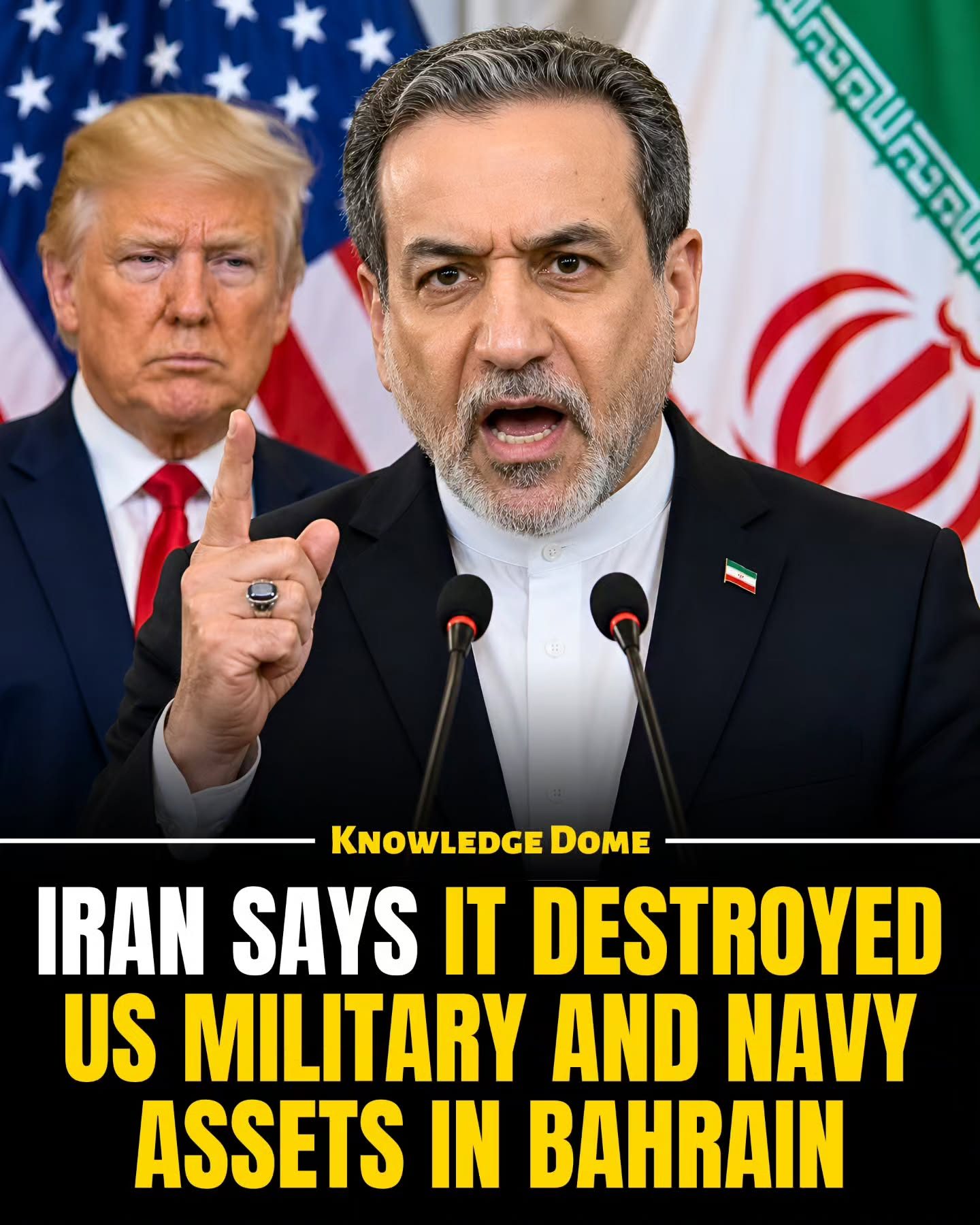
Tensions between the United States and Iran escalated significantly with Iran's recent missile and drone attacks on U.S. and Bahraini military targets. These strikes, dubbed "Operation Nasr-2" by Iranian officials, were a direct response to prior U.S. airstrikes that targeted Iranian infrastructure. The situation is complex and evolving, with claims of major destruction from Iran and a starkly different narrative from U.S. and Bahraini authorities.
Why This Matters
The recent escalation in the Middle East has significant geopolitical implications. Understanding the sequence of events, the targets involved, and the responses from both sides is crucial for grasping the current state of affairs and anticipating potential future developments.
The Sequence of Events
Initial US Airstrikes
The conflict began with U.S. airstrikes on Iranian infrastructure. These strikes were part of a broader campaign against what the U.S. considers to be Iranian-backed militant groups operating in the region. The U.S. aimed to disrupt these groups' activities and degrade their capabilities.
Iran's Response: Operation Nasr-2
In retaliation, Iran launched a series of heavy missile and drone attacks, codename "Operation Nasr-2." The attacks targeted multiple U.S. and Bahraini military sites, including:
- The U.S. Navy Fifth Fleet headquarters in Manama
- An unmanned surface vessel depot
- Parts of Sheikh Isa Air Base
- Communications and AI sites allegedly used by the U.S. for targeting Iranian infrastructure
Iranian state media released satellite images purportedly showing the aftermath of the attacks, claiming significant destruction and success. The Iranian narrative painted a picture of a highly effective operation that caused major damage to key U.S. and Bahraini military assets.
US and Bahraini Responses
The U.S. and Bahraini authorities, however, offered a contrasting view. U.S. officials reported no fatalities at American bases in Bahrain and downplayed the extent of the damage. Bahraini forces claimed that their air defenses successfully intercepted several of the incoming attacks and activated sirens across the country as a precautionary measure. Reports on the ground indicated that while there was some debris and drone damage causing small fires and local disruption in Manama, the destruction was not on the scale described by Iranian officials.
Key Targets and Their Significance
U.S. Navy Fifth Fleet Headquarters
The U.S. Navy Fifth Fleet, based in Manama, plays a critical role in maintaining maritime security in the Arabian Gulf, the Red Sea, and the Arabian Sea. An attack on this headquarters would be aimed at disrupting U.S. naval operations and command structures in the region.
Unmanned Surface Vessel Depot
Targeting an unmanned surface vessel depot suggests an attempt to degrade the U.S.'s unmanned maritime capabilities, which are crucial for surveillance, reconnaissance, and mine countermeasures.
Sheikh Isa Air Base
Sheikh Isa Air Base is a key military installation in Bahrain, used by both Bahraini and U.S. forces. Attacks on this base would be aimed at disrupting air operations and potentially damaging U.S.-Bahraini military cooperation.
Communications and AI Sites
The targeting of communications and AI sites indicates an attempt to disrupt U.S. intelligence, surveillance, and reconnaissance (ISR) capabilities. These sites are critical for gathering information and choosing targets, making them high-value assets for any adversary.
Practical Tips for Staying Informed
Navigating complex geopolitical situations can be challenging. Here are some practical tips for staying informed:
Diversify Your Sources
Rely on multiple sources of information to get a comprehensive view. This includes official statements from both sides, independent news outlets, and expert analysis.
Cross-Verify Information
Given the differences in narratives, cross-verifying information is crucial. Look for consistent reports from multiple sources to piece together a more accurate picture.
Stay Updated
The situation is fluid, with developments occurring rapidly. Regularly check for updates from reliable sources to stay informed about the latest developments.
Important Takeaways
Escalation and De-escalation
The recent attacks highlight the delicate balance between escalation and de-escalation in geopolitical conflicts. While Iran's response was aggressive, the U.S. and Bahraini responses were measured, aiming to avoid further escalation.
Information Warfare
The release of satellite images and the differing narratives underscore the importance of information warfare. Each side is using media and public statements to shape the narrative in their favor.
Diplomatic Efforts
Behind the scenes, diplomatic efforts are likely underway to de-escalate the situation and prevent further conflict. Understanding the diplomatic landscape can provide insights into potential resolutions.
Conclusion
The recent missile and drone attacks by Iran on U.S. and Bahraini military targets mark a significant escalation in regional tensions. The differing narratives from Iranian, U.S., and Bahraini authorities highlight the complexity of the situation. Staying informed through diverse and reliable sources is essential for understanding the evolving dynamics and potential future developments. As the situation continues to unfold, it is crucial to remain vigilant and well-informed to navigate the geopolitical landscape effectively.
Watch the Reel
Questions readers ask
What prompted Iran to launch Operation Nasr-2?
Operation Nasr-2 was launched by Iran in response to prior U.S. airstrikes that targeted Iranian infrastructure. These airstrikes were the catalyst for Iran's retaliatory missile and drone attacks on U.S. and Bahraini military targets.
Which sites were targeted during Iran's Operation Nasr-2?
During Operation Nasr-2, Iran targeted key U.S. and Bahraini military sites, including those in Manama. The strikes involved a combination of missiles and drones, causing significant damage and raising tensions in the region.
What are the geopolitical implications of Iran's drone and missile attacks?
The recent escalation in the Middle East has significant geopolitical implications, including the potential for further conflict and increased tensions between Iran and the U.S. Understanding the sequence of events and the targets involved is crucial for grasping the current situation and anticipating future developments.
How have U.S. and Bahraini authorities responded to the Iranian attacks?
U.S. and Bahraini authorities have provided a different narrative compared to Iran's claims of major destruction. They have likely conducted assessments of the damage and may have taken measures to enhance security and defense capabilities in response to the Iranian attacks.
What role do drones play in Iran's military operations?
Drones play a significant role in Iran's military operations, as seen in Operation Nasr-2. They are used for surveillance, targeting, and delivering payloads. Their use in conjunction with missiles enhances the effectiveness and reach of Iran's military strikes.
What can we learn from the Iranian retaliatory airstrikes?
The Iranian retaliatory airstrikes provide insights into Iran's military capabilities, their willingness to engage in direct conflict, and their strategic approach to responding to perceived threats. Analyzing these strikes can help inform future policy decisions and conflict resolution efforts, while also providing a deeper understanding of the dynamics at play in the Middle East.
How might the situation in the Middle East evolve following Operation Nasr-2?
Following Operation Nasr-2, the situation in the Middle East is likely to remain tense and volatile. Both sides are expected to monitor the situation closely, with the potential for further diplomatic efforts, military posturing, or even additional strikes. Understanding the responses and escalations from both sides will be crucial in anticipating future developments.
Recent articles
Fresh deep dives from the latest Reels we unpacked.




Comments
Be the first to comment.