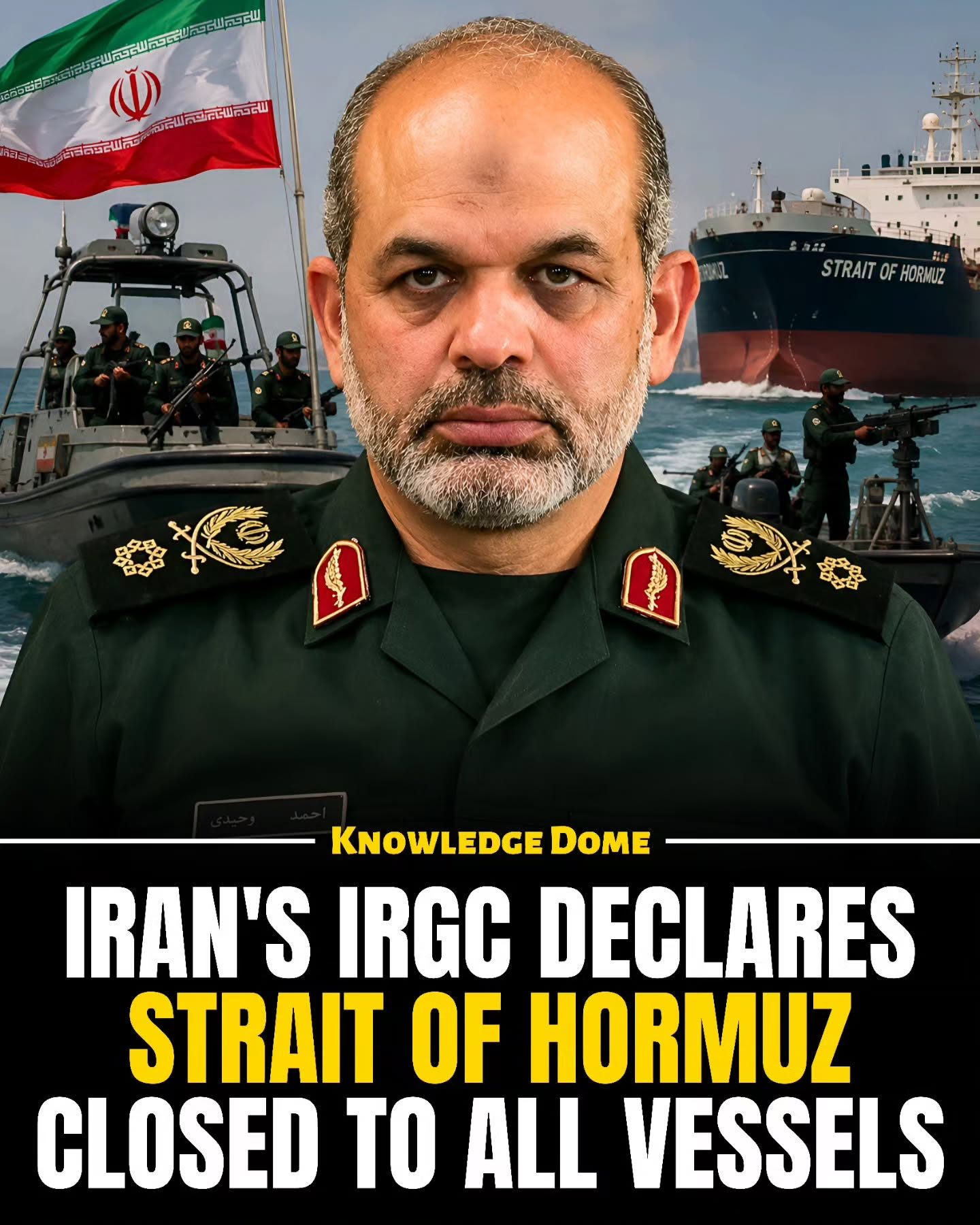
Iran's Closure of the Strait of Hormuz and Its Global Implications
The Strait of Hormuz, one of the most crucial shipping routes in the world, has been declared completely closed to all vessels by Iran's Islamic Revolutionary Guard Corps (IRGC) Navy. This declaration has significant implications for global trade, oil supply, and geopolitical stability.
Context: Why This Matters
The Strait of Hormuz's Strategic Importance
The Strait of Hormuz is a narrow waterway located between Iran and the Arabian Peninsula. It connects the Persian Gulf to the Gulf of Oman and the Arabian Sea, serving as a critical conduit for global oil and trade. Approximately 20% of the world's oil supply passes through this strait daily, making it a pivotal point for the global economy. Any disruption in this area can have ripple effects worldwide, impacting energy prices, trade routes, and geopolitical dynamics.
Main Discussion
Iran's Declaration and Its Justifications
Iran's closure of the Strait of Hormuz is linked to its allegations of ceasefire breaches by the United States and Israeli attacks in Lebanon. The IRGC warned all vessels to stay away from the waterway, citing these concerns as the primary reason for the closure. This move by Iran is a clear indicator of escalating tensions in the region, as it directly affects the flow of oil and trade, which are vital to global economic stability.
United States Response
Contrary to Iran's declaration, the United States Central Command has stated that the Strait of Hormuz remains open to shipping, and commercial vessels can pass through safely. This discrepancy between Tehran's claims and the US's assertions creates a complex geopolitical landscape, where the truth on the ground is uncertain. This gap highlights the need for diplomatic efforts to clarify the situation and ensure the safety of maritime routes.
Global Reactions and Challenges
The closure of the Strait of Hormuz has sparked global attention, with many nations and international organizations closely monitoring the situation. The potential for escalation is a significant concern, given the strategic importance of the region. Any prolonged closure or further escalation could lead to:
- Oil Supply Disruptions: The world relies heavily on the oil that passes through this strait, and any disruption can cause a spike in global oil prices, impacting economies worldwide.
- Trade Route Disruptions: The Strait of Hormuz is not just about oil; it is a vital trade route for many other goods. Closure or conflict in this area could lead to significant disruptions in global trade.
- Geopolitical Tensions: The Iran-United States and Iran-Israel conflicts are long-standing and complex. Any escalation in the Strait of Hormuz could further strain these relationships, potentially leading to broader conflicts.
Practical Tips
For Shippers and Vessel Owners
If you are involved in shipping or own vessels that pass through the Strait of Hormuz, it is crucial to stay updated on the latest developments and follow official advisories from maritime authorities. Here are some practical tips:
- Stay Informed: Keep a close eye on official statements from both Iran and the United States, as well as any updates from international maritime organizations.
- Follow Authoritative Guidelines: Adhere to the guidelines provided by maritime authorities and insurance companies.
- Consider Alternative Routes: If possible, explore alternative shipping routes to mitigate potential disruptions. However, be aware that these alternatives may come with their own set of challenges and costs.
- Ensure Safety Measures: Implement heightened safety measures for your vessels and crew, including increased surveillance and security protocols.
For Energy Consumers and Traders
For those involved in the energy sector, it's essential to consider the potential impact of the Strait of Hormuz closure on oil supply and prices. Here are some steps you can take:
- Monitor Prices: Keep a close watch on global oil prices and be prepared for potential volatility.
- Diversify Suppliers: Consider diversifying your oil supply sources to reduce reliance on the Strait of Hormuz.
- Engage in Risk Management: Implement risk management strategies to mitigate the impact of potential supply disruptions, including hedging and stockpiling.
Important Takeaways
- Global Dependence on the Strait of Hormuz: The closure highlights the world's dependence on the Strait of Hormuz for oil and trade.
- Geopolitical Complexities: The situation underscores the intricate nature of geopolitical relationships in the region and the need for diplomacy to resolve conflicts.
- Potential Impact on Global Trade and Energy: Any disruptions in this critical waterway can have far-reaching consequences for global trade and energy markets.
Conclusion
The closure of the Strait of Hormuz by Iran's IRGC Navy is a significant development with far-reaching implications. As the world watches closely, the situation underscores the importance of diplomatic efforts to prevent further escalation and ensure the safety of maritime routes. For shippers, vessel owners, and energy traders, staying informed and prepared is crucial in navigating this complex and evolving situation.
Watch the Reel
Recent articles
Fresh deep dives from the latest Reels we unpacked.




Comments
Be the first to comment.