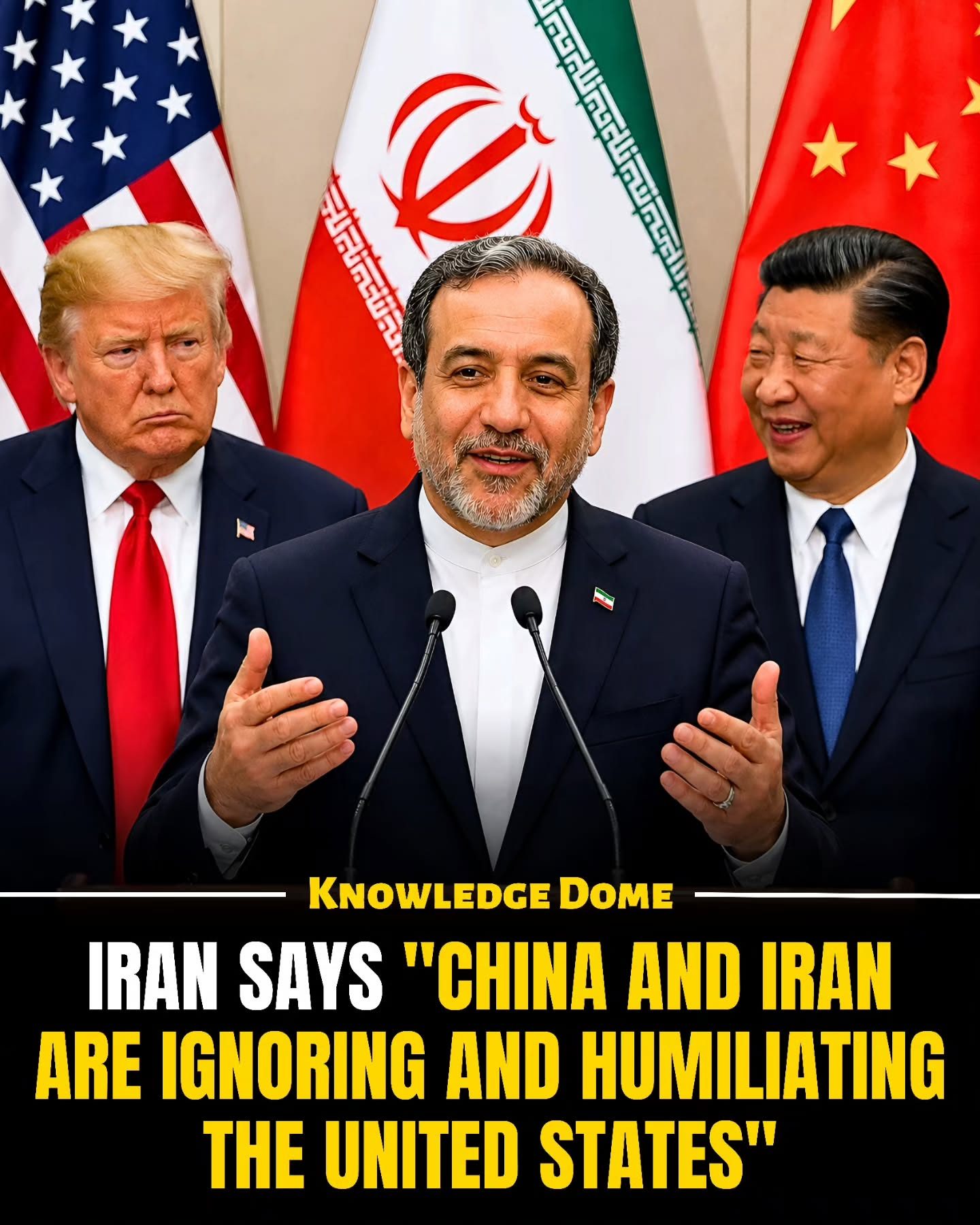
Iran's Message to the World: Defying American Power
Iran has made a bold statement asserting that it no longer views the United States as a dominant global power. Through recent geopolitical moves, Iran, along with its ally China, is demonstrating a defiance against American pressure. This shift is particularly evident in the realm of oil trade and diplomatic negotiations. Here’s a deeper look into the evolving dynamics between Iran, China, and the United States, and the implications of these geopolitical moves.
Context: Why This Matters
The relationship between the United States, Iran, and China is a complex web of diplomatic and economic interests. The current political landscape mirrors a power struggle where traditional influence is challenged by the economic needs and political aspirations of emerging giants.
International Relations: The Changing Face of Global Power
Oil and Sanctions: An Economic Challenge
One of the most tangible indicators of Iran's stance is its oil trade with China. Despite American sanctions, China continues to purchase significant amounts of Iranian oil. This move is not just a financial transaction; it is a diplomatic stance that underscores the weakening of American pressure tactics.
For Tehran, China's oil purchases are a symbol that the United States' economic sanctions are ineffective. This highlights a significant shift in global power dynamics, where economic interdependencies are reshaping traditional geopolitical influence.
China's actions are strategic for several reasons. Firstly, it ensures a steady supply of oil, a critical resource for its growing economy. Secondly, it serves as a political message to the United States, asserting China’s independence and defiance against perceived U.S. hegemony. This dual purpose underscores the multifaceted nature of international relations, where economic and political interests are deeply intertwined.
The impact of this oil trade goes beyond the immediate economic benefits. It challenges the effectiveness of U.S. sanctions and highlights the growing influence of China in global geopolitics. For Iran, this is a clear indication that its economic and political strategies, despite international pressures, are yielding tangible results.
Diplomatic Stance: Negotiations and Image
The diplomatic landscape between Iran and the United States is another critical area where the power dynamics are shifting. Iran has been vocal about its unwillingness to engage in talks or peace deals with the U.S. This stance is a direct rebuttal to the narrative that Iran is desperate for diplomatic engagement.
Iranian officials are stressing that they are standing firm and that it is the U.S. seeking to return to the negotiating table. This message is designed to project a strong, unyielding image globally. It is a strategic move aimed at presenting Iran as a stable and resilient country, capable of withstanding international pressures.
In contrast, the U.S. is portrayed as the side more eager for dialogue, potentially revealing a perceived weakness or desperation. This narrative is a powerful tool in the diplomatic arsenal, aimed at bolstering Iran's image and influence on the global stage.
Symbolism and Power Dynamics
The symbolic significance of these moves cannot be overstated. By continuing to trade with Iran and maintaining a strong economic relationship, China is sending a clear message to the world: American threats do not carry the same weight they once did.
This shift is not just about economic transactions or political maneuvers; it is about image and power. By staying connected and refusing to bow to U.S. demands, China and Iran are challenging the traditional global order. They are asserting their independence and sending a message that the world is no longer unipolar, with the U.S. as the sole superpower.
Practical Tips: Navigating the Geopolitical Landscape
Understanding the dynamics between the U.S., Iran, and China can provide valuable insights for businesses and policymakers alike. Here are some practical tips to navigate this evolving landscape:
Business Considerations
For businesses, especially those involved in international trade, it is crucial to stay informed about the geopolitical shifts. Keeping an eye on sanctions and trade agreements can help mitigate risks and maximize opportunities. Engaging with experts in international law and diplomacy can provide a strategic edge in navigating the complexities of global trade.
Diplomatic Strategies
For policymakers, recognizing the symbolic significance of these moves is essential. Building strong alliances and maintaining open communication channels can help in managing international relations more effectively. Engaging with emerging powers like China and Iran, while respecting their sovereignty, can foster mutually beneficial relationships.
Important Takeaways
The Power of Economic Interdependence
The ongoing oil trade between Iran and China is a testament to the power of economic interdependence. It underscores the importance of economic strategies in global politics, where financial transactions can be as powerful as political alliances.
The Role of Symbolism
Symbolic actions, such as defying U.S. sanctions and maintaining a strong diplomatic stance, play a crucial role in shaping global perceptions. These actions send powerful messages about a country's strength, independence, and resilience.
The Evolving Global Power Dynamics
The shift in power dynamics is evident in the changing roles of traditional superpowers and emerging giants. This evolution requires a nuanced understanding of global politics, where economic, political, and symbolic factors are interwoven.
Conclusion
The geopolitical moves between Iran, China, and the United States are reshaping the global landscape. Through its oil trade and diplomatic stance, Iran is sending a clear message to the world: it no longer views the United States as a dominant power. This shift underscores the importance of understanding the evolving dynamics of international relations, where economic interdependence and symbolic actions play a crucial role.
Watch the Reel
Questions readers ask
Why is Iran defying U.S. dominance in global affairs?
Iran's defiance is a strategic move to assert its independence and challenge the long-standing U.S. influence in the Middle East. By rejecting U.S. dominance, Iran aims to reshape its international relations and reduce its reliance on U.S. policies. This shift is part of a broader geopolitical strategy to strengthen Iran's global standing and assert its sovereignty.
How is China involved in Iran's challenge to U.S. power?
China is supporting Iran by defying U.S. sanctions and continuing to purchase Iranian oil. This economic interdependence helps both countries to lessen their reliance on U.S. economic power. China's actions demonstrate a strategic alignment with Iran, aimed at countering U.S. influence and promoting a more multipolar world.
What are the implications of China's oil purchases from Iran?
China's oil purchases from Iran have significant geopolitical implications. They undermine the effectiveness of U.S. sanctions and demonstrate China's willingness to challenge U.S. policies. This economic partnership strengthens the bond between China and Iran, while also sending a clear message to the U.S. about the limits of its influence in global oil trade.
How does the U.S. respond to Iran and China's defiance?
The U.S. has responded with a mix of diplomatic pressure and economic sanctions. However, the effectiveness of these measures has been questioned, as Iran and China continue to strengthen their relationship. The U.S. faces a challenge in maintaining its influence in the region while navigating the evolving dynamics of global power shifts.
What role do oil trade and diplomatic negotiations play in this power struggle?
Oil trade and diplomatic negotiations are central to the power struggle between the U.S., Iran, and China. By continuing oil trade, Iran and China are not only defying U.S. sanctions but also reshaping global oil markets. Diplomatic negotiations further solidify their alliance, allowing them to present a united front against U.S. pressure and promote their shared interests.
Recent articles
Fresh deep dives from the latest Reels we unpacked.




Comments
Be the first to comment.