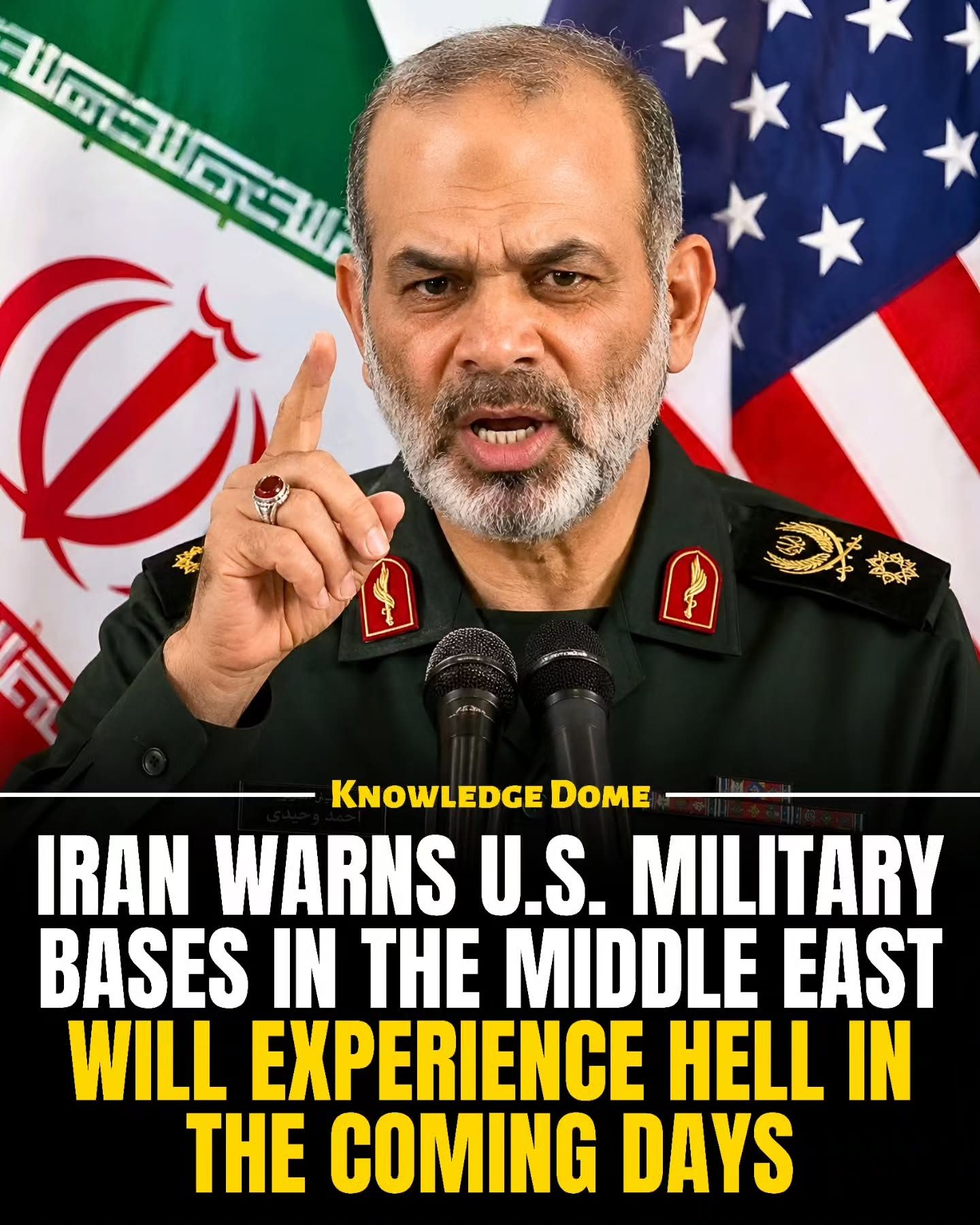
Iran Warns U.S. Military of Potential Attacks on Middle East Bases
The recent escalation in tensions between Iran and the United States has raised significant concerns about potential military conflicts in the Middle East. The Islamic Republic of Iran's Navy (IRGC) has issued a stark warning to the United States, asserting that American military bases in the region could face more attacks in the coming days. This warning comes after the United States carried out strikes on Iranian positions in Sirik.
Context
The current situation is fraught with complexity, involving long-standing tensions and recent military actions.
Background
The U.S. strikes on Iranian positions in Sirik have been cited as a violation of the fragile peace deal that had been under pressure. Iran has not taken this lightly. Notably, the IRGC Navy's warning suggests a significant escalation in the ongoing conflict. Iran's response to the U.S. strikes has already led to drone and missile attacks on U.S. bases in Kuwait and Bahrain. Bahrain, in particular, is crucial because it hosts the U.S. Navy’s 5th Fleet, a strategic asset in the region.
The Strait of Hormuz
The tension between Iran and the U.S. is putting pressure on the Strait of Hormuz, a critical route for global oil transportation. Iran has made it clear that any Gulf country allowing their territory or U.S. bases to be used for attacks against Iran will be held accountable. This warning underscores the delicate balance of power in the region, where the Strait of Hormuz plays a pivotal role in global energy markets.
Potential Consequences
The escalating situation has the potential to significantly impact the geopolitical landscape of the Middle East.
Military Implications
Both sides are now trading attacks and threats, raising fears of a larger conflict. The Middle East is already a volatile region, and any further military escalation could lead to broader, more devastating consequences. The U.S. military bases in the region, including those in Bahrain, are likely to be in the crosshairs of this conflict.
Economic Impact
The Strait of Hormuz, through which a significant portion of the world's oil supply passes, is at the heart of this conflict. Any disruption in this vital route could have severe economic repercussions, affecting global oil prices and supply chains. The delicate balance of power in the Middle East and the safety of one of the world's most critical oil routes are now more uncertain than ever.
Key Regions Affect by This Conflict
The conflict has implications for several key regions and strategic locations in the Middle East.
Bahrain
Bahrain, home to the U.S. Navy’s 5th Fleet, is a critical player in this conflict. Due to the strategic importance of the U.S. Navy’s presence in Bahrain, the country is likely to be a focal point for any retaliatory actions by Iran.
Kuwait
Kuwait, another Gulf country, has also been targeted by Iran's retaliatory attacks. The country’s strategic location and its role in global energy markets make it a significant point of concern in this conflict.
Gulf Countries
The broader Gulf region, which includes countries like Saudi Arabia, the United Arab Emirates, and Qatar, is also under scrutiny. Iran's warning that these countries could be held responsible for any attacks on Iran means that the entire region is on edge, with the potential for widespread conflict looming.
Practical Tips
For those navigating this uncertain geopolitical landscape, staying informed and prepared is crucial.
Stay Informed
Keeping abreast of the latest developments is essential. Follow reliable news sources to stay updated on the situation. Understanding the complex dynamics at play can help individuals and organizations make informed decisions.
Prepare for Disruptions
Given the potential for disruptions in the region, it is prudent to have contingency plans in place. For businesses, this may involve diversifying supply chains to mitigate the impact of any potential conflicts. For travelers, staying aware of travel advisories and potential security risks is important.
Important Takeaways
The current situation highlights the delicate balance of power in the Middle East and the potential for broader conflicts.
The Fragile Peace
The fragile peace deal between the U.S. and Iran is under severe strain. The recent strikes and retaliatory actions have pushed both sides to the brink, with neither side showing signs of backing down.
Global Implications
The conflict's impact extends beyond the Middle East. The Strait of Hormuz, a critical oil route, is at the heart of this conflict. Any disruption to this vital route could have global economic repercussions, affecting oil prices and supply chains.
Regional Tensions
The broader Gulf region is also under scrutiny, with the potential for widespread conflict. The U.S. military presence in Bahrain and the retaliatory actions by Iran highlight the strategic importance of the region and the delicate balance of power.
Conclusion
The situation in the Middle East is tense and volatile, with the potential for significant consequences. Iran's warning to the U.S. military and the retaliatory actions by both sides underscore the delicate balance of power in the region. For those navigating this uncertain landscape, staying informed and prepared is crucial. The potential for broader, more devastating conflicts looms large, and the global implications of any disruption to the Strait of Hormuz are significant.
Watch the Reel
Questions readers ask
What specific actions has Iran threatened against the U.S. military?
Iran’s Revolutionary Guard Corps Navy has explicitly warned of potential attacks on American military bases in the Middle East. This threat comes as a response to recent U.S. strikes on Iranian positions, indicating a heightened level of military tension.
What role does the Strait of Hormuz play in this conflict?
The Strait of Hormuz is a critical maritime route for global oil transportation. Iran’s threats and the overall tension in the region put this vital passage under pressure, potentially affecting global oil supplies and economic stability.
What prompted Iran's recent warnings to the U.S.?
Iran’s warnings followed U.S. military strikes on Iranian positions in Sirik. These strikes are viewed by Iran as a violation of a fragile peace deal, leading to retaliatory threats against U.S. military bases in the region.
Which countries might be affected by Iran’s threats due to their hosting of U.S. bases?
Countries hosting U.S. military bases, such as Bahrain, may be directly impacted by Iran’s threats. Iran has vowed to hold these countries accountable for any aggression, thereby widening the scope of potential conflict.
What is the current status of U.S. military presence in the Middle East?
The U.S. maintains a significant military presence in the Middle East, with bases in various countries. This presence is now under threat due to Iran’s warnings, which could escalate tensions and lead to potential military confrontations.
How has the Iranian Navy been involved in these tensions?
The Islamic Republic of Iran's Navy (IRGC) has been actively involved in issuing threats and warnings against the U.S. military. Their statements indicate a readiness to engage in potential conflicts, heightening the overall volatility in the region.
What are the potential implications of these tensions for global oil transportation?
The tensions could disrupt the Strait of Hormuz, a key route for global oil transportation. This disruption could lead to significant impacts on oil supplies and prices, affecting economies worldwide.
Recent articles
Fresh deep dives from the latest Reels we unpacked.




Comments
Be the first to comment.