Iran's ICBM Claims: Context and Implications
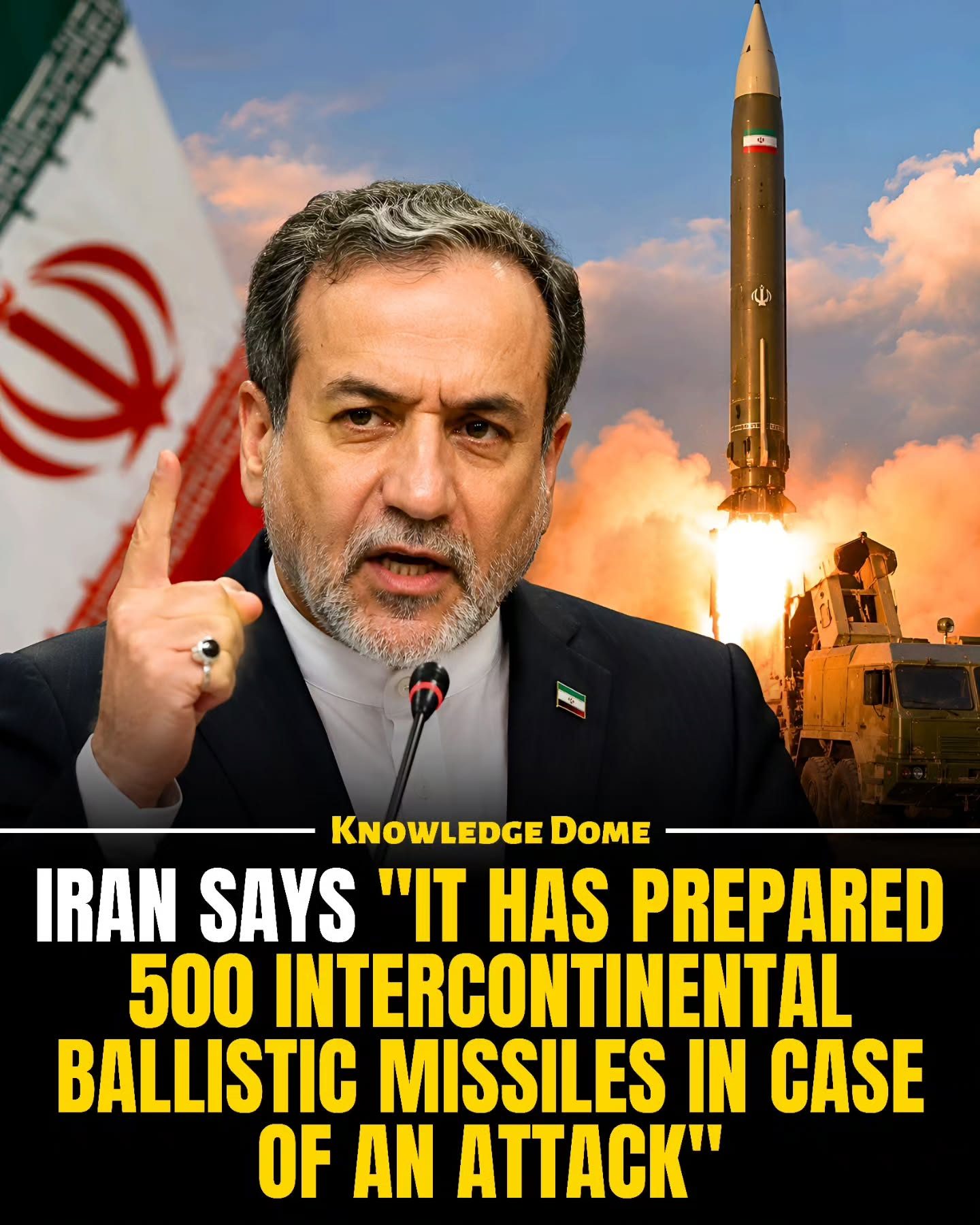
Recent reports from both state and international media have sparked significant attention with claims that Iran is preparing around 500 intercontinental ballistic missiles (ICBMs). These reports come at a time when tensions between Iran and the United States are escalating. The claim of 500 ICBMs has raised serious concerns due to the perceived threat it poses.
Why This Matters
The global community has been keeping a close watch on Iran’s military capabilities, especially its missile arsenal. ICBMs, with their long-range capabilities, present significant geopolitical implications. If true, such a development could potentially shift the balance of power in the Middle East and beyond.
The Claims and the Facts
The claim of 500 ICBMs has drawn mixed reactions from defense experts and intelligence agencies. While reports suggest Iran is preparing a large number of these missiles, many analysts are skeptical. This skepticism is grounded in the fact that Iran is primarily known for its short-range and medium-range missiles. There is a lack of concrete evidence supporting the existence of a proven long-range ICBM force that could reach the United States mainland.
Understanding Iran's Missile Capabilities
To grasp the significance of these claims, it is essential to understand the different types of missiles and their ranges:
Short-Range Missiles
Short-range missiles typically have a range of less than 1,000 kilometers (620 miles). These missiles are often used for regional conflicts and are relatively easy to deploy and maintain. Iran is known to have a substantial arsenal of short-range missiles, which are mostly used to target neighboring countries or within its immediate regional influence.
Medium-Range Missiles
Medium-range missiles have a range of 1,000 to 3,000 kilometers (620 to 1,860 miles). These missiles can target distant cities and military installations and have been a significant part of Iran’s military strategy. Iran has developed and deployed several medium-range missiles, such as the Shahab-3, which has a range of about 2,000 kilometers (1,240 miles).
Intercontinental Ballistic Missiles (ICBMs)
ICBMs are designed to travel more than 5,500 kilometers (3,400 miles) and can reach targets on the other side of the globe. These missiles are capable of carrying nuclear warheads and pose a significant threat to global security. The development and deployment of ICBMs are technically challenging and require advanced technological capabilities and substantial resources.
The Skepticism Surrounding the Claims
The claim that Iran has prepared 500 ICBMs has met with considerable doubt from defense experts and intelligence agencies. Several factors contribute to this skepticism:
Technological and Resource Limitations
Developing ICBMs requires advanced technologies, including guidance systems, propulsion, and re-entry capabilities. While Iran has made significant progress in its missile technology, it is still lagging behind in the development of long-range missiles. The time and resources required to develop and deploy 500 ICBMs are substantial, and there is no clear evidence that Iran has the necessary capabilities to achieve this.
Strategic Considerations
Iran's strategic interests and military doctrine have traditionally focused on short-range and medium-range missiles. These missiles serve as a deterrent against regional adversaries and provide Iran with a credible defense capability. Developing ICBMs would shift Iran’s military focus towards long-range strikes, which may not align with its current strategic goals.
Intentional Misrepresentation
Some analysts speculate that the claim of 500 ICBMs could be a form of psychological warfare or a warning message. Such claims might be intended to instill fear in adversaries, demonstrate strength, and deter potential attacks. By exaggerating its capabilities, Iran could be attempting to negotiate from a position of perceived strength.
Practical Tips for Staying Informed
Given the complex nature of geopolitical tensions, staying informed is crucial. Here are some practical tips for understanding and interpreting claims about missile capabilities:
Verify Sources
Always verify information from multiple credible sources. News reports, especially from state media, may have political agendas and might not always present an unbiased view. Cross-referencing with independent analyses and expert opinions can provide a more comprehensive understanding.
Understand the Technical Aspects
Having a basic understanding of missile technology and its capabilities can help in evaluating the plausibility of claims. For instance, knowing the differences between short-range, medium-range, and long-range missiles can provide context for assessing Iran’s capabilities.
Context Matters
Geopolitical claims should be viewed in their broader context. Consider the historical and current relations between countries, their strategic interests, and the potential motivations behind such claims. This can help in discerning whether a claim is a genuine threat or a strategic ploy.
Important Takeaways
The claim that Iran has prepared 500 ICBMs has significant implications for global security. While the reports have raised concerns, it is essential to approach such claims with caution and critical analysis. Defense experts and intelligence agencies generally agree that Iran is not currently in possession of a proven long-range ICBM force. Instead, the claim may serve as a psychological tactic to demonstrate strength and deter potential attacks.
Conclusion
The geopolitical landscape is complex and evolving, and claims about military capabilities must be carefully evaluated. While Iran's missile program is a subject of global interest, it is crucial to separate fact from speculation. By staying informed and critically assessing the information, one can better understand the true implications of such claims. The potential possession of 500 ICBMs by Iran remains a topic of debate, but it underscores the importance of vigilant monitoring and strategic analysis in international relations.
Watch the Reel
Questions readers ask
What types of missiles has Iran primarily focused on developing?
Iran has mainly concentrated on developing short and medium-range ballistic missiles, which are already a significant part of their military arsenal. These missiles can target nearby countries and strategic locations within the Middle East, enhancing Iran's regional influence and defense capabilities without requiring long-range technology.
Why are ICBMs significant in geopolitical contexts?
ICBMs (Intercontinental Ballistic Missiles) are significant because they can travel over 5,500 kilometers, potentially reaching targets on different continents. Their long-range capabilities pose a threat to multiple nations and can alter global power dynamics, making them a key concern in international relations and military strategy.
What evidence do experts point to when questioning Iran's 500 ICBM claim?
Experts questioning the claim of 500 ICBMs note a lack of concrete evidence supporting a large-scale, operational long-range ICBM force in Iran. They point to Iran's stated focus on shorter-range missile systems, limited testing of ICBMs, and the technical and resource challenges involved in producing and maintaining such an arsenal.
How might the alleged 500 ICBMs impact regional tensions, particularly with the U.S.?
If Iran were to possess a fleet of 500 ICBMs, it could significantly escalate tensions, particularly with the U.S. Given the long-range capabilities of ICBMs, the U.S. might perceive this as a direct threat, potentially leading to heightened military readiness, diplomatic pressure, and increased risk of conflict.
What are the implications of Iran's missile program on its defense strategy?
Iran's missile program, focusing on short and medium-range missiles, allows it to deter regional adversaries and project power within the Middle East. This strategy enables Iran to defend its borders, support allies, and challenge opponents without necessitating the development of more complex and resource-intensive ICBM systems.
What challenges does Iran face in producing ICBMs?
Producing ICBMs presents significant technical, resource, and political challenges for Iran. These include mastering advanced propulsion and guidance systems, acquiring necessary materials and technology, and navigating international sanctions and diplomatic pressures, which can impede development and deployment efforts.
How does the alleged 500 ICBMs claim align with Iran's historical missile developments?
The claim of 500 ICBMs is not aligned with Iran's historical focus on developing and deploying shorter-range ballistic missiles. Iran has a proven track record of producing and testing short and medium-range missiles, but it has conducted limited testing of ICBMs, and there is little evidence to support a large-scale ICBM force.
Recent articles
Fresh deep dives from the latest Reels we unpacked.




Comments
Be the first to comment.