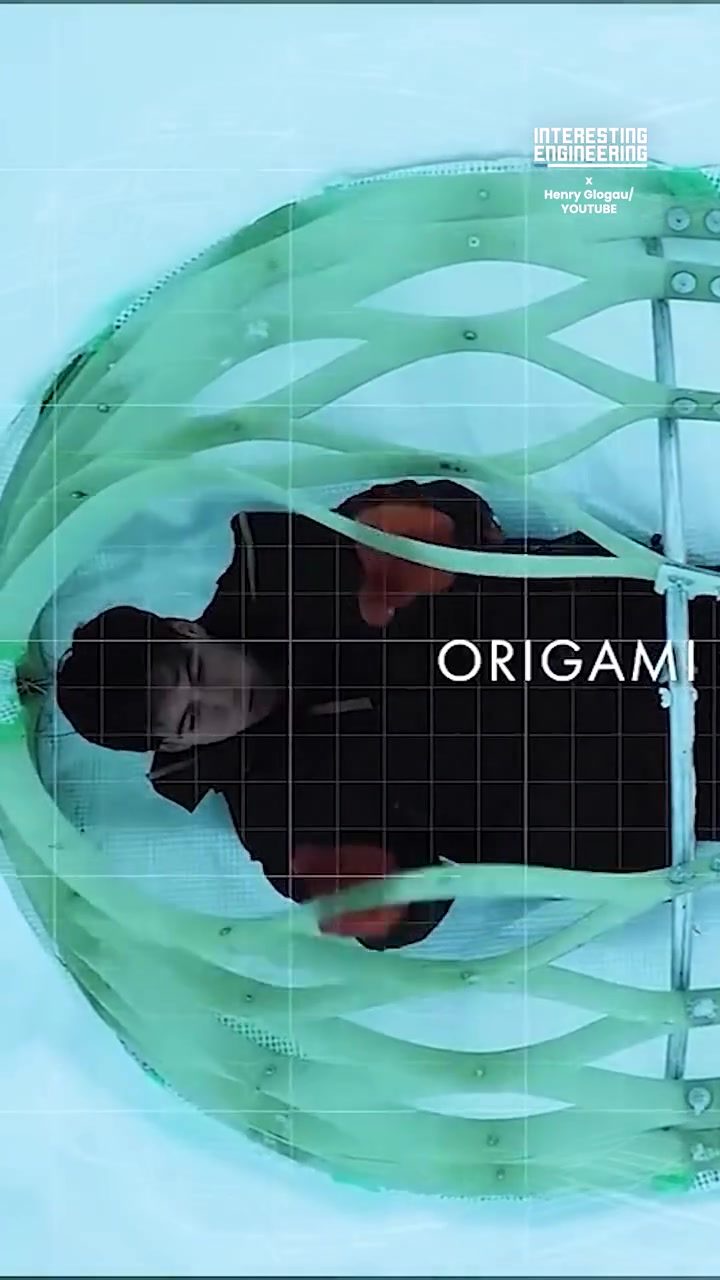
Deployable Emergency Shelters: Inuit-Inspired Designs for Survival
Emergency shelters designed for rapid deployment in harsh, snowy conditions offer a lifeline in survival situations. These shelters, with their uniquely shaped structures, utilize innovative design principles inspired by traditional Inuit tents and the art of origami. The result is a shelter that can be quickly set up, providing essential protection from the elements.
Context: Shelter in Extreme Conditions
Emergency shelters are critical in scenarios where immediate protection from the elements is necessary. Whether in response to natural disasters, military operations, or expeditionary activities, these shelters must be robust, easy to set up, and capable of withstanding harsh conditions. The unique design principles of Inuit tents and origami offer a versatile solution, making these shelters particularly effective in snowy environments.
Main Discussion
Inuit Tent Design Principles
Inuit tents have long been recognized for their efficiency and resilience in cold climates. These tents are typically constructed using a combination of animal hides and wooden frames, designed to create a snug, insulated space that traps heat effectively. The unique dome-like shape of these tents allows snow to slide off, preventing accumulation and potential structural failure.
Origami Engineering
Origami, the traditional Japanese art of paper folding, has found practical applications in modern engineering. Origami principles are used to create structures that can be folded into compact forms for easy transport and then quickly expanded when needed. This folding technique not only saves space but also ensures that the structure can be deployed rapidly, which is crucial in emergency situations.
Geodesic Dome Design
The deployable emergency shelter showcased in this review features a geodesic dome design. This design is known for its strength and stability, utilizing a network of interconnected triangles to distribute weight evenly. The dome shape is particularly effective in snowy conditions, as it allows snow to slide off easily, reducing the risk of collapse. This design also maximizes interior space, making it an efficient choice for emergency shelters.
Inflatable and Expandable Structures
Many modern emergency shelters are designed to be inflatable or expandable. This feature allows for quick deployment, as the structure can be inflated using compressed air or expandable materials. The inflatable design also ensures that the shelter remains lightweight and portable, making it ideal for transport in challenging conditions.
Practical Tips for Setting Up a Deployable Emergency Shelter
Choosing the Right Site
When setting up a deployable emergency shelter, the choice of location is crucial. Look for a flat, stable area free from hazards such as falling debris or unstable ground. Avoid areas prone to avalanches or landslides if possible.
Pre-Deployment Preparation
Ensure that all necessary components, including the shelter, insulation, and heating elements, are readily available. Pre-check the shelter for any signs of damage or wear. This step is vital in ensuring that the shelter will perform as expected in an emergency.
Deployment Procedure
Follow the manufacturer's instructions for deploying the shelter. This typically involves unfolding the structure, securing it to the ground, and inflating or expanding it. Pay attention to the orientation of the shelter to ensure proper ventilation and stability.
Insulation and Heating
Use insulation materials to enhance the shelter's thermal efficiency. Blankets, sleeping bags, and thermal mats can provide additional warmth. Heating elements, such as small stoves or portable heaters, can also be used to maintain a comfortable temperature inside the shelter.
Post-Deployment Checks
After the shelter is set up, conduct a thorough inspection to ensure all components are properly secured. Check for any leaks or potential vulnerabilities in the structure. Regularly monitor the shelter's condition and make adjustments as needed to maintain its integrity.
Important Takeaways
Versatility and Efficiency
Deployable emergency shelters designed with Inuit and origami principles offer unparalleled versatility and efficiency. They can be quickly set up in a variety of challenging environments, providing essential protection from the elements.
Creative Engineering
The integration of origami and Inuit design principles showcases the innovative potential of creative engineering. These shelters are not only functional but also demonstrate how traditional knowledge can be adapted for modern applications.
Practical Applications
These shelters have wide-ranging applications, from disaster relief to military and expeditionary use. Their ability to be deployed rapidly and effectively makes them invaluable in situations where immediate protection is critical.
Conclusion
Deployable emergency shelters that leverage Inuit design principles and origami engineering represent a significant advancement in emergency preparedness. Their unique shapes, combined with inflatable or expandable features, make them ideal for use in snowy and other harsh conditions. By providing rapid, reliable shelter, these structures offer a critical lifeline in survival situations, ensuring that those in need can find safety and warmth.
Watch the Reel
Questions readers ask
What makes Inuit-inspired emergency shelters suitable for extreme weather conditions?
Inuit-inspired emergency shelters are designed to mimic traditional Inuit tents, which have proven effective in harsh, cold environments. Additionally, origami engineering techniques enhance their structural integrity, allowing them to withstand strong winds and heavy snow loads.
How quickly can these origami tents be deployed in an emergency situation?
These shelters are designed for rapid deployment. With their origami-inspired design, they can be set up in minutes, providing swift protection from extreme weather conditions.
What are the benefits of using origami engineering in emergency shelter design?
Origami engineering allows for a compact, lightweight shelter that can be quickly assembled. This approach provides essential insulation and robustness, making it an ideal choice for extreme weather conditions.
Who is Henry Glogau, and what is his connection to these Inuit-inspired shelters?
Henry Glogau is an inventor and designer who has developed some of the leading Inuit-inspired shelters. His designs integrate traditional Inuit tent principles with modern origami engineering techniques to create highly effective emergency shelters.
Are these shelters only useful for specific situations, or can they be used in various scenarios?
These shelters are versatile and can be used in a variety of situations, including natural disasters, military operations, and expeditionary activities in snowy environments. They offer a reliable solution for anyone needing quick, robust protection from extreme weather.
What are the key features of a simple snow shelter inspired by Inuit designs?
A simple snow shelter inspired by Inuit designs typically includes a compact, dome-like structure, with a small entrance to retain heat. The shelter often utilizes snow for insulation and structural support, providing essential protection from harsh winter conditions.
Can these shelters accommodate multiple people, or are they designed for individual use?
The size and capacity of these shelters can vary. While some are designed for individual use, others can accommodate multiple people. The specific design will determine the number of occupants it can safely shelter during extreme weather conditions.
Recent articles
Fresh deep dives from the latest Reels we unpacked.




Comments
Be the first to comment.