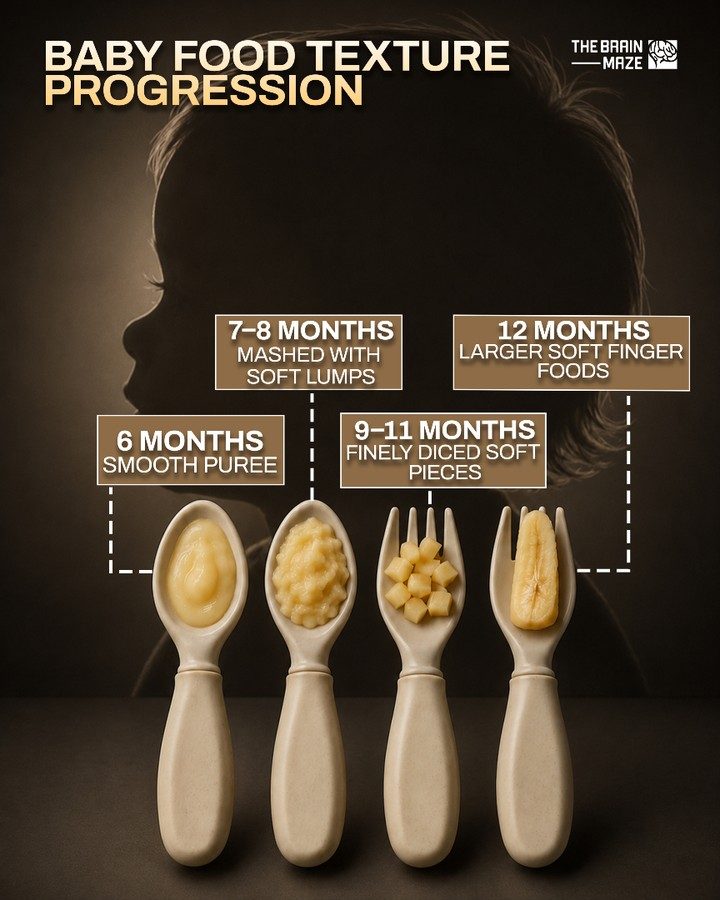
Baby Food Texture Progression: A Guide for Parents
As babies grow, their feeding skills evolve through exposure to different food textures. This progression begins around 6 months with smooth purées and gradually includes thicker, mashed, finely chopped, and soft finger foods. This journey supports the development of chewing, oral motor skills, self-feeding, and a broader acceptance of various foods.
Why This Matters
Introducing different textures to your baby's diet is crucial for several reasons. It helps in developing essential skills like chewing and swallowing, which are foundational for eating solid foods. Additionally, exposure to a variety of textures can prevent picky eating habits later in life. By gradually increasing the texture of foods, babies learn to appreciate different types of foods, expanding their palate and nutritional intake.
Stages of Baby Food Texture Progression
Understanding the stages of baby food texture progression can help parents navigate this important phase of their child's development.
6 Months: Smooth Purées
At 6 months, babies typically start with smooth purées. These are easy to digest and swallow, making them ideal for young infants. Smooth purées can include foods like applesauce, mashed bananas, or pureed vegetables. The consistency is similar to a thick liquid, ensuring that the baby can easily swallow without choking.
7-8 Months: Mashed with Soft Lumps
Around 7-8 months, babies can handle foods that are mashed with soft lumps. This stage introduces slightly thicker textures, helping babies develop their chewing skills. Mashed foods should be soft enough to be easily squished between your fingers. Examples include mashed potatoes, soft cooked carrots, or slightly lumpy porridge. These textures encourage babies to use their tongue and jaws more actively, promoting oral motor development.
9-11 Months: Finely Diced Soft Pieces
Between 9-11 months, babies are ready for finely diced soft pieces. These are small, soft pieces of food that can be picked up with a spoon or fingers. This stage is crucial for developing self-feeding skills. Foods at this stage should be soft enough to be easily compressed but not so soft that they turn into a mush. Examples include small pieces of soft-cooked vegetables, diced fruit, or small cubes of soft cheese.
12 Months: Larger Soft Finger Foods
By 12 months, babies can handle larger soft finger foods. These are larger pieces of food that babies can pick up and feed themselves. This stage is all about encouraging independence and fine motor skills. Foods should be soft enough to be easily chewed and swallowed. Examples include soft-cooked pasta, larger pieces of diced fruit, or small pieces of soft-cooked chicken.
Practical Tips for Texture Progression
Every baby is unique, so it's essential to pay attention to your child's readiness for each stage. Here are some practical tips to guide you through the process.
Start Slowly
Transitioning to new textures should be a gradual process. Introduce new textures one at a time and give your baby time to get used to them. Watch for signs of readiness, such as interest in your food or attempting to reach for it.
Watch for Allergies
Always introduce new foods one at a time and watch for any signs of allergic reactions. Common allergens include dairy, eggs, peanuts, tree nuts, fish, shellfish, soy, and wheat.
Make It Fun
Make mealtime fun and engaging. Encourage your baby to explore different textures and flavors. Let them touch and play with their food to build familiarity and acceptance.
Be Patient
Every baby develops at their own pace, so be patient. If your baby is resistant to a new texture, don't force it. Give them time to adjust and try again later. Remember, it can take multiple exposures to a new food or texture before a baby accepts it.
Important Takeaways
- Start with Smooth Purées: Begin with smooth purées around 6 months and gradually increase the texture of foods.
- Introduction Stages: Introduce mashed foods with soft lumps around 7-8 months, finely diced soft pieces between 9-11 months, and larger soft finger foods by 12 months.
- Watch for Readiness: Pay attention to your baby's readiness for each stage and introduce new textures gradually.
- Safety First: Ensure all foods are age-appropriate and prepared safely.
Conclusion
Texturing progression is a vital part of a baby's development. It supports the development of essential skills and helps in the acceptance of a wider variety of foods. By understanding and following the stages of food texture progression, parents can support their baby's growth and development effectively.
Watch the Reel
Questions readers ask
At what age should I start introducing different baby food textures to my baby?
You can begin introducing different food textures to your baby around 6 months of age. Starting with smooth purées and gradually moving to thicker, mashed, and finely chopped foods helps support their developing feeding skills.
Why is it important to expose my baby to a variety of food textures?
Exposing your baby to a variety of food textures helps in developing essential skills such as chewing and swallowing, which are crucial for eating solid foods. It also aids in preventing picky eating habits and encourages a broader acceptance of various foods.
What are the stages of baby food texture progression?
The progression typically starts with smooth purées around 6 months, then moves to thicker purées, mashed foods, and finely chopped foods. By 8-9 months, you can introduce soft finger foods, and by 12 months, babies can usually handle small, diced pieces of soft, cooked food.
How can introducing different textures help in preventing picky eating habits?
By gradually exposing your baby to different textures, you can help prevent picky eating. This approach allows babies to become familiar and comfortable with a wide range of foods, making them more likely to accept new foods as they grow older.
What are some examples of age-appropriate textures for my 7-month-old baby?
For a 7-month-old, age-appropriate textures include thick purées, mashed foods, and soft, cooked vegetables. These textures help your baby transition from smooth purées to more solid foods, enhancing their oral motor skills and self-feeding abilities.
When can my baby start self-feeding with finger foods?
Babies typically begin self-feeding with finger foods around 8-9 months old. Start with soft, easily manageable pieces that dissolve easily, such as small pieces of ripe banana, avocado, or well-cooked vegetables, to ensure safety and encourage their independence in feeding.
How do I safely introduce diced baby food to my baby?
Diced baby food can be introduced around 12 months, but ensure the pieces are small and soft to minimize the risk of choking. Always supervise your baby during meals and gradually increase the size and variety of the pieces as your baby's chewing and swallowing skills improve.
Recent articles
Fresh deep dives from the latest Reels we unpacked.




Comments
Be the first to comment.