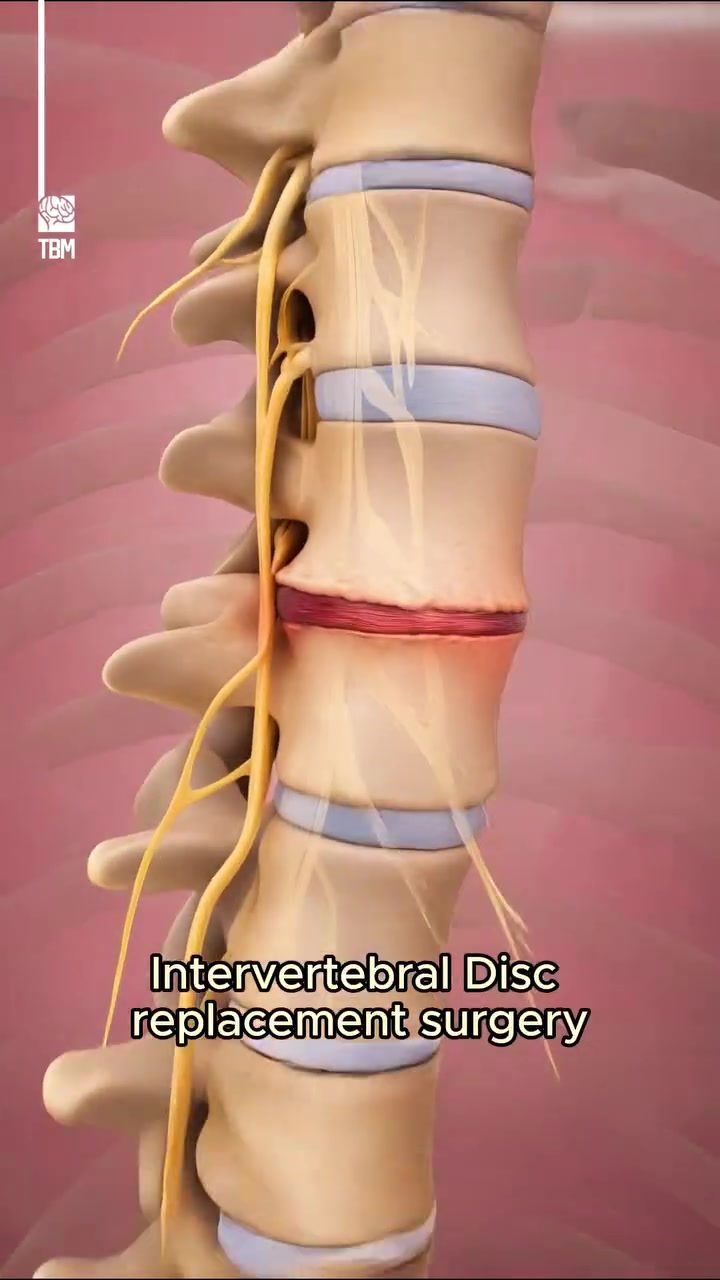
Intervertebral Disc Replacement Surgery
Intervertebral disc replacement surgery is performed to relieve pain and restore movement, particularly when a damaged spinal disc presses on nearby nerves or stops functioning properly. This procedure provides an alternative to traditional spinal fusion for patients who do not respond to conservative treatments such as medication or physical therapy. This surgery involves replacing a damaged disc with an artificial implant designed to mimic the natural movement of the spine.
Why This Matters
Chronic back pain and mobility issues can severely impact quality of life. For many patients, traditional treatments like medication, physical therapy, and even spinal fusion surgery may not provide lasting relief. Intervertebral disc replacement surgery offers a promising solution by addressing the root cause of the problem: the damaged disc itself. This procedure can help restore natural movement, reduce pain, and improve overall mobility, enabling patients to return to their daily activities with greater comfort and flexibility.
Main Discussion
Understanding the Procedure
Intervertebral disc replacement surgery is a meticulous process that involves several key steps. The procedure begins with the patient under general anesthesia, ensuring they are comfortable and pain-free throughout the operation. The surgeon then makes a small incision, typically through the front of the neck or abdomen, depending on the location of the damaged disc. This approach provides direct access to the spine while minimizing disruption to surrounding muscles and tissues.
Removing the Damaged Disc
Once the incision is made, the surgeon carefully removes the damaged disc. This step is crucial as it relieves pressure on the spinal cord or nerve roots, which can be a significant source of pain and discomfort for the patient. The removal of the damaged disc also creates space for the implant, which will replace the lost disc.
Implanting the Artificial Disc
The artificial disc, made from durable medical-grade metal and specialized plastic, is precisely positioned to restore the natural height of the disc space. This implant is designed to mimic the natural movement of the spine, allowing for flexibility and mobility that is often lost with traditional spinal fusion surgery.
Post-Operative Recovery
Many patients gradually regain mobility and experience reduced pain following the procedure. This allows them to return to everyday activities with improved comfort and flexibility. The recovery process is crucial and involves careful monitoring and follow-up care to ensure the best possible outcomes.
Practical Tips
Choosing the Right Procedure
If you are considering intervertebral disc replacement surgery, it is essential to consult with a qualified spine surgeon. They can assess your condition, discuss the benefits and risks, and determine if this procedure is the right choice for you. Factors to consider include the severity of your symptoms, the location of the damaged disc, and your overall health.
Preparing for Surgery
Preparation for the surgery involves several steps, including pre-operative consultations, imaging tests, and discussions about anesthesia and pain management. Your surgeon will provide detailed instructions on how to prepare, which may include stopping certain medications, fasting before the procedure, and arranging for transportation and post-operative care.
Post-Operative Care
After the surgery, you will likely spend some time in the hospital for monitoring and initial recovery. Physical therapy and rehabilitation are often recommended to help you regain strength and mobility. Following your surgeon's guidelines for post-operative care, including activity restrictions, medication, and follow-up appointments, is crucial for a successful recovery.
Long-Term Management
Long-term management involves regular check-ups with your surgeon to monitor your progress and address any concerns. Maintaining a healthy lifestyle, staying active, and following your healthcare provider's advice can help ensure the best possible outcomes.
Important Takeaways
Intervertebral disc replacement surgery is a powerful option for individuals suffering from chronic back pain and mobility issues due to damaged spinal discs. The procedure offers several benefits, including preserving natural movement, reducing pain, and improving overall mobility. By carefully removing the damaged disc and replacing it with an artificial implant, surgeons can help patients regain comfort and flexibility. Post-operative care and long-term management are crucial for achieving the best possible outcomes.
Conclusion
Intervertebral disc replacement surgery is a significant advancement in the treatment of spinal conditions. By offering a less invasive alternative to traditional spinal fusion, this procedure can provide lasting relief from chronic back pain and mobility issues. For those who have exhausted other treatment options, it represents a promising path to improved health and quality of life.
Watch the Reel
Questions readers ask
What are the primary benefits of intervertebral disc replacement surgery?
Intervertebral disc replacement surgery aims to alleviate chronic back pain and improve spinal mobility. The procedure replaces damaged discs with artificial implants, which mimic natural spinal movement. This intervention can reduce discomfort and enhance the overall quality of life for patients who have not found relief through other treatments.
How does disc replacement surgery differ from traditional spinal fusion?
Intervertebral disc replacement surgery preserves spinal movement, unlike spinal fusion, which joins vertebrae together. The artificial implants used in disc replacement surgery are designed to maintain flexibility, allowing the spine to bend and twist naturally. This can be particularly beneficial for patients who want to avoid the rigidity that often results from spinal fusion.
What are the potential risks associated with intervertebral disc replacement surgery?
While disc replacement surgery can be effective, it is not without risks. Complications may include infection, nerve damage, and issues related to the implant, such as dislocation or wear. It is important for patients to discuss these potential risks with their surgeon and understand the benefits and drawbacks of the procedure.
What is the typical recovery process like after disc replacement surgery?
Recovery from disc replacement surgery varies, but patients generally experience less downtime compared to spinal fusion. Patients may be encouraged to gradually increase activity levels, with a focus on physical therapy to strengthen the back and improve mobility. Many patients can return to normal activities within a few months, though individual experiences can vary.
How long does the intervertebral disc replacement surgery procedure typically take?
The duration of intervertebral disc replacement surgery can vary depending on the complexity of the case, but it generally takes about 1.5 to 3 hours. The procedure involves removing the damaged disc and carefully inserting the artificial implant to restore spinal function.
Related deep dives
Similar reads based on topic and creator.


Recent articles
Fresh deep dives from the latest Reels we unpacked.




Comments
Be the first to comment.