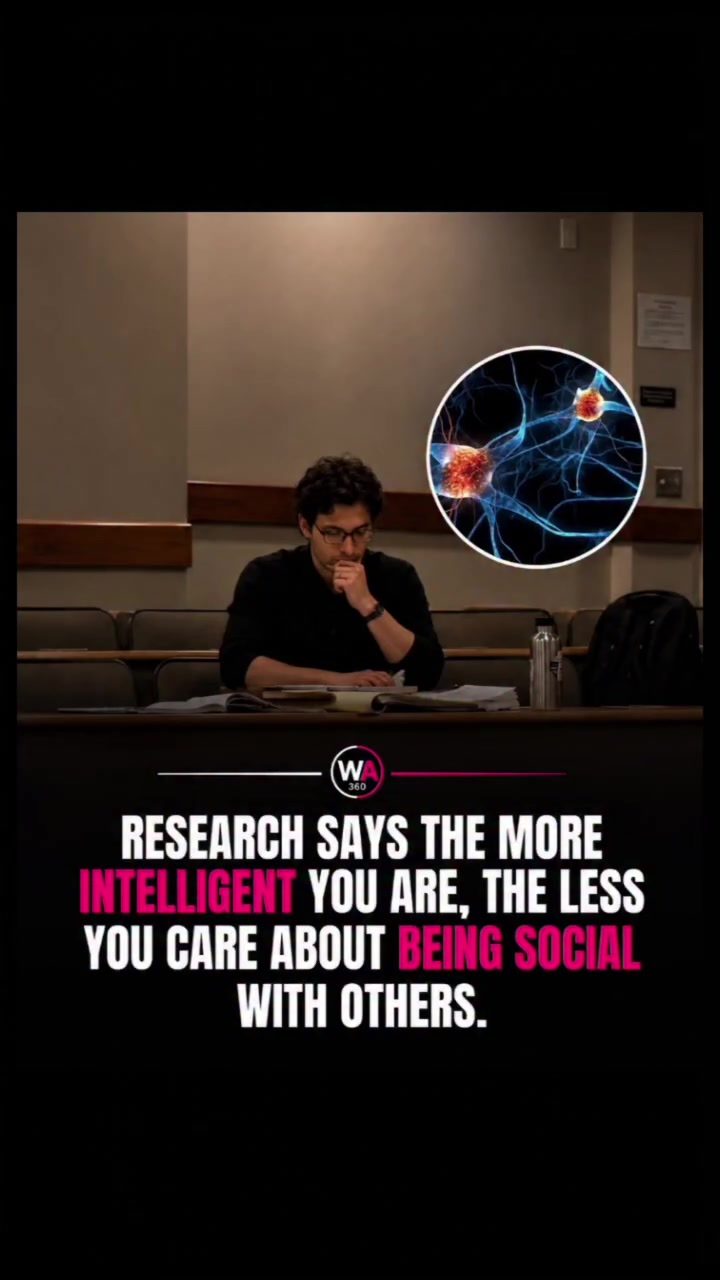
Intelligence and Social Interaction
Intelligence is a complex trait that influences many aspects of an individual's life, including social behavior. Recent research has explored the relationship between cognitive ability and social interaction, revealing intriguing insights into how intelligence may shape our social lives. Let's dive into this fascinating subject and explore what science tells us about the interplay between intelligence and social behavior.
Context / Why this matters
Understanding the relationship between intelligence and social behavior is crucial for several reasons. It helps dispel common myths and stereotypes, fosters appreciation for individual differences, and encourages a more nuanced view of human interactions. By examining the science behind this topic, we can better understand our own behaviors and those of others, leading to more empathetic and informed social engagement.
Main discussion
The Role of Cognitive Ability in Social Interaction
Some studies suggest that individuals with higher cognitive abilities may prefer solitude and require less frequent social interaction. This doesn't mean that intelligent people are antisocial or dislike others; rather, it indicates a different approach to social engagement. These individuals might enjoy meaningful conversations and interactions, but they may not feel the same need for constant social stimulation that others do.
Solitude and Intellectual Pursuits
Higher intelligence often goes hand in hand with a deeper appreciation for intellectual pursuits, such as reading, research, and problem-solving. These activities can be incredibly fulfilling and may provide a sense of satisfaction that reduces the desire for frequent social interaction. People with high cognitive abilities might find that their intellectual pursuits are enough to keep them engaged, even if they don't spend as much time in social settings.
Personality and Individual Preferences
It's important to note that personality, lifestyle, and individual preferences play a significant role in how a person socializes. Two individuals with high cognitive abilities might exhibit completely different social behaviors based on their personalities and personal histories. For example, an introverted person might prefer solitary activities regardless of their intelligence level, while an extroverted individual might thrive on social interaction, even if they are highly intelligent.
The Myth of the Anti-Social Genius
The stereotype of the antisocial genius is a common trope in popular culture, but it oversimplifies the relationship between intelligence and social behavior. While some highly intelligent individuals might seem distant or aloof, this is often due to their deep focus on intellectual pursuits rather than a fundamental dislike of others. In reality, people with high cognitive abilities can be just as social and relational as anyone else, but their social interactions might be more selective and meaningful.
The Influence of Mental Health
Mental health is another critical factor that influences social behavior. Individuals with higher intelligence might be more prone to conditions like anxiety, depression, or social anxiety, which can affect their social interactions. These mental health issues can make social situations more challenging and may lead to a preference for solitude. However, it's essential to recognize that mental health challenges are not a defining feature of all intelligent individuals, and they should not be used to generalize about social behavior.
The Science Behind Social Behavior
Research in psychology and neuroscience has shed light on the biological and neurological factors that contribute to social behavior. Cognitive abilities, such as working memory, attention, and executive function, are closely linked to social performance. For example, studies have shown that individuals with higher working memory capacity are better at understanding social cues and navigating complex social situations. This suggests that intelligence can enhance social interactions rather than hinder them.
The Influence of Lifestyle and Environment
Lifestyle and environmental factors also play a significant role in shaping social behavior. People with higher intelligence might have different career paths, hobbies, and social circles, which can influence their social interactions. For instance, an individual who works in a field that demands deep concentration and solitude, such as research or writing, might have fewer opportunities for social interaction. On the other hand, someone who works in a collaborative field might have more frequent and varied social interactions.
Practical tips
Embrace Individual Differences
Recognizing and embracing individual differences in social behavior is essential for fostering a more inclusive and understanding social environment. Avoid making assumptions about a person's social preferences based on their intelligence level. Instead, engage with others based on their unique personalities and preferences.
Cultivate Meaningful Connections
Regardless of intelligence, cultivating meaningful connections is crucial for well-being. This involves active listening, empathy, and a genuine interest in the other person. By focusing on quality over quantity in social interactions, you can build deeper and more fulfilling relationships.
Seek Balance
Maintain a balance between intellectual pursuits and social engagement. While it's important to pursue passions and interests, it's equally important to stay connected with others. This balance can enhance both personal growth and social well-being.
Practice Empathy and Understanding
Empathy and understanding are key to navigating social interactions with people of different intelligence levels. Recognize that everyone has unique needs and preferences when it comes to socializing. By being more empathetic, you can create more meaningful and respectful social connections.
Important takeaways
Some key points to remember about intelligence and social interaction:
- Higher cognitive abilities can influence social behavior, but they do not determine it.
- Personality, lifestyle, and mental health play crucial roles in shaping social interactions.
- Intelligence can enhance social interactions by improving social cognition and understanding.
- Recognizing and embracing individual differences is essential for fostering a more inclusive social environment.
Conclusion
The relationship between intelligence and social interaction is complex and multifaceted. While some studies suggest that higher intelligence might be associated with a preference for solitude, it's essential to remember that individual preferences, personality, and mental health all play significant roles in social behavior. By understanding the science behind this topic, we can dispel myths, foster empathy, and appreciate the unique social needs of every individual.
Watch the Reel
Questions readers ask
How does intelligence influence social preferences?
Individuals with high cognitive ability often prefer solitary activities and meaningful conversations. This doesn't indicate antisocial behavior, but rather a preference for quality over quantity in social interactions. They may enjoy deep discussions and intellectual stimulation more than casual small talk.
Do intelligent people have different social habits?
Yes, people with high IQs often exhibit unique social habits. They may prefer to spend time alone to recharge and engage in activities that stimulate their minds, such as reading or problem-solving. They might also seek out social environments where they can have thought-provoking conversations.
How does intelligence affect social behavior?
Intelligence can shape social behavior in various ways. For instance, those with higher cognitive abilities might be more selective about their social circles, preferring relationships that offer intellectual growth and mutual respect. They may also be more comfortable with solitude, using it as a means to pursue personal interests and maintain mental clarity.
Why do some intelligent individuals prefer solitude?
Intelligent individuals may prefer solitude because it allows them to engage in activities that cater to their high cognitive abilities. Solitude can provide a quiet space for deep thinking, learning, and creative pursuits, which are often fulfilling for those with high IQs. This preference should not be misinterpreted as a lack of social skills or interest in human interaction.
How does understanding intelligence and social behavior benefit us?
Understanding the relationship between intelligence and social behavior can help challenge stereotypes about intelligent individuals. It encourages us to appreciate the diversity of human interaction and recognize that there are many ways to be socially adept, not just through constant social stimulation. This knowledge fosters a more inclusive and empathetic view of social behavior.
Do intelligent people have difficulty making friends?
Intelligent people do not necessarily have difficulty making friends, although their preferences for solitude and meaningful conversations might make it seem that way. They may have fewer but deeper social connections, which are just as important as having a larger social circle. Their high cognitive abilities might help them form strong, lasting bonds with like-minded individuals.
Do intelligent people often have a smaller social circle?
Intelligent people often have a smaller social circle because they are selective about who they spend time with. They prefer to surround themselves with individuals who can engage in thoughtful and intellectually stimulating conversations. This preference for quality over quantity in social interactions can lead to a more intimate and meaningful social life.
Recent articles
Fresh deep dives from the latest Reels we unpacked.




Comments
Be the first to comment.