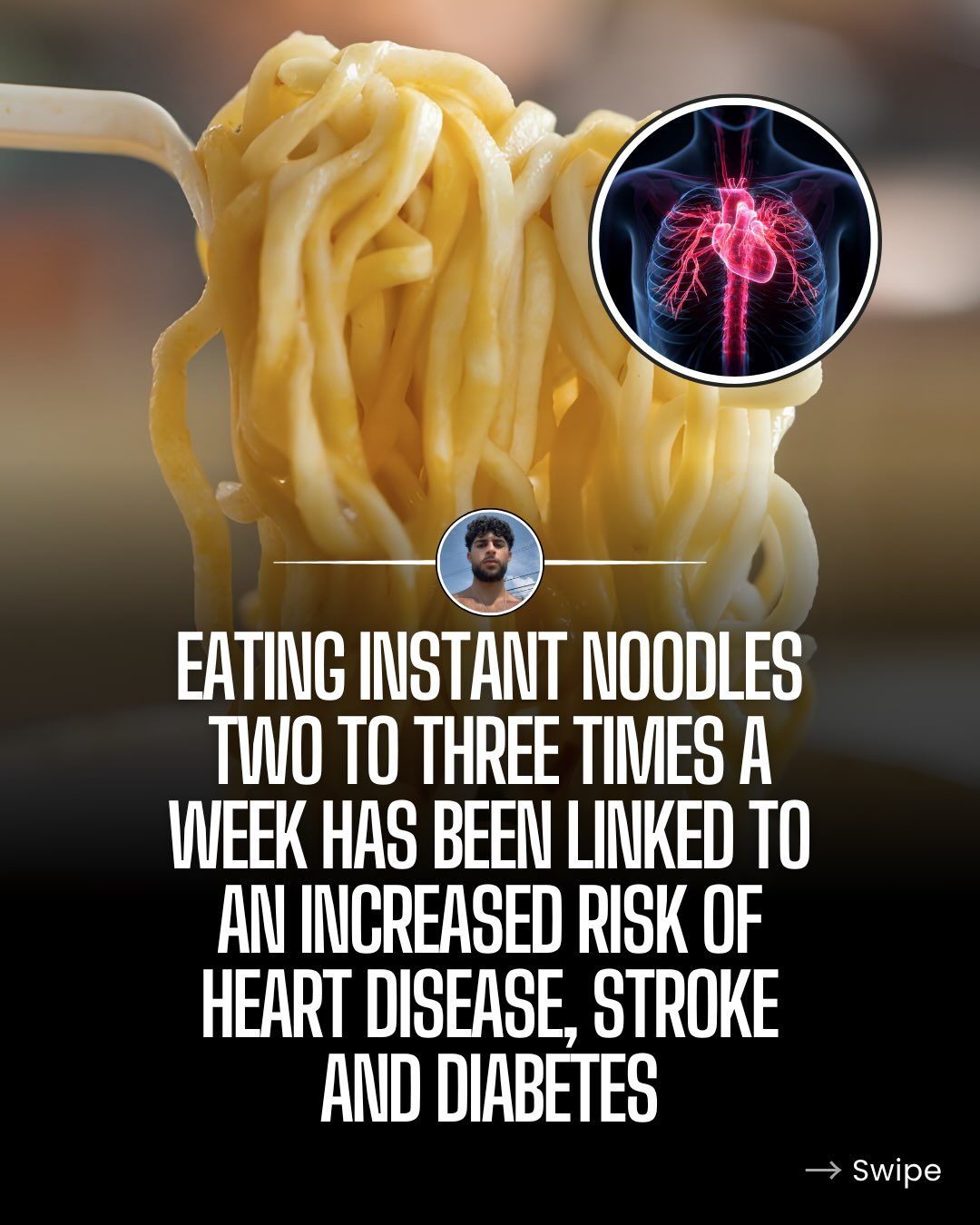
Instant Noodles and Health Risks
Instant noodles are a convenient and popular food item around the world. However, frequent consumption of these noodles has been linked to several health concerns, particularly when consumed two to three times per week. This concern is supported by a study conducted by Baylor University, which highlights the potential risks associated with regular instant noodle consumption.
Why This Matters
Understanding the health risks associated with instant noodles is crucial for making informed dietary choices. Regular consumption can lead to serious health issues, including heart disease, stroke, and diabetes. These conditions can significantly impact quality of life and overall well-being. It is important to be aware of the nutritional content of instant noodles and their potential effects on health.
Health Risks Associated with Instant Noodles
Increased Risk of Heart Disease, Stroke, and Diabetes
Frequent consumption of instant noodles has been linked to an increased risk of heart disease, stroke, and diabetes. The study by Baylor University found that individuals who frequently consumed instant noodles had a higher likelihood of developing metabolic syndrome. Metabolic syndrome is a cluster of conditions that include high blood pressure, high blood sugar, excess body fat around the waist, and abnormal cholesterol or triglyceride levels. These conditions collectively elevate the risk for heart disease, stroke, and diabetes.
Vulnerability Among Women
The study also highlighted that women are more vulnerable to the health risks associated with instant noodles. This increased susceptibility may be due to a combination of biological and lifestyle factors. Women often have different metabolic responses to certain foods compared to men, which can make them more prone to the adverse effects of high sodium, unhealthy saturated fats, and preservatives found in instant noodles.
High Levels of Sodium, Unhealthy Fats, and Preservatives
One of the primary reasons instant noodles pose health risks is their high content of sodium, unhealthy saturated fats, and preservatives. Sodium is a common ingredient in instant noodles to enhance flavor, but excessive consumption can lead to high blood pressure and other cardiovascular issues. Saturated fats contribute to elevated cholesterol levels, further increasing the risk of heart disease. Preservatives, while essential for extending the shelf life of the product, can have harmful effects on overall health when consumed regularly.
Metabolic Syndrome and Its Impact
Metabolic syndrome is a critical factor in the health risks associated with instant noodles. This syndrome is characterized by a combination of conditions, including high blood pressure, high blood sugar, excess body fat, and abnormal cholesterol levels. These conditions, when present together, significantly increase the risk of heart disease, stroke, and diabetes. Regular consumption of instant noodles can exacerbate these conditions, making it essential to monitor intake and consider healthier alternatives.
Practical Tips for Reducing Health Risks
While instant noodles can be a convenient meal option, there are several practical steps you can take to reduce the associated health risks:
Limit Consumption
The first and most effective step is to limit the frequency of consuming instant noodles. Aim to have them no more than once a week rather than two to three times. This reduction can significantly decrease the intake of harmful ingredients like sodium and unhealthy fats.
Choose Healthier Alternatives
Look for healthier noodle options or prepare your own meals at home. Whole grain or vegetable-based noodles can be a better choice compared to traditional instant noodles. Additionally, homemade meals allow you to control the ingredients, ensuring healthier fats, lower sodium levels, and fewer preservatives.
Supplement with Nutritious Foods
Pair instant noodles with nutritious foods to balance the meal. Adding vegetables, lean proteins, and whole grains can enhance the nutritional value of the meal. For example, you can add spinach, carrots, and a lean protein like chicken or tofu to your instant noodle dish.
Stay Hydrated
Drinking plenty of water can help flush out excess sodium from your body, mitigating some of the harmful effects of instant noodles. Aim for at least eight glasses of water a day to help maintain overall health and reduce the risk of hypertension and other related conditions.
Important Takeaways
Regular consumption of instant noodles, particularly two to three times per week, can lead to serious health issues such as heart disease, stroke, and diabetes. Women are especially vulnerable to these risks. The high levels of sodium, unhealthy saturated fats, and preservatives in instant noodles contribute to these adverse effects. Understanding these risks and taking practical steps to limit consumption and choose healthier alternatives can significantly improve overall health and well-being.
Conclusion
Instant noodles can be a convenient and tasty meal option, but they come with potential health risks when consumed frequently. By being aware of the nutritional content and the associated risks, you can make informed decisions about your diet. Limiting consumption, choosing healthier alternatives, and supplementing with nutritious foods are practical steps to mitigate these risks and maintain a balanced, healthy lifestyle.
Watch the Reel
Questions readers ask
How often can I safely consume instant noodles?
Instant noodles can be safely consumed occasionally, but it's important to limit intake. Consuming instant noodles more than two to three times a week is when health risks such as heart disease, stroke and diabetes to increase. Make sure to maintain a balance in their consumption, with a focus on other nutritious foods.
What specific health risks are associated with regular instant noodle consumption?
Regular consumption of instant noodles has been linked to an increased risk of heart disease, stroke, and diabetes. This is due to the high sodium and unhealthy fats present in the dish. In addition, the high salt and fat content can lead to metabolic disorders, such as metabolic syndrome, which can further impact overall health.
Why are women more vulnerable to the health risks of instant noodles?
Women may be more vulnerable to the health risks associated with instant noodles due to gender differences. Women have a higher chance of developing metabolic disorders in addition to heart diseases and diabetes, especially due to the high sodium and unhealthy fats in instant noodles. It is vital to monitor the intake of instant noodles.
What are the key factors in instant noodles that contribute to health risks?
The high sodium and unhealthy fats in instant noodles are the primary factors contributing to health risks. Sodium can lead to high blood pressure and other heart-related issues, while unhealthy fats can increase cholesterol levels and contribute to metabolic disorders. Regular consumption can exacerbate these effects, leading to serious health complications.
Can instant noodles lead to metabolic syndrome?
Yes, frequent consumption of instant noodles can contribute to metabolic syndrome. This syndrome is characterized by a group of conditions, including high blood pressure, high blood sugar, excess body fat around the waist, and abnormal cholesterol or triglyceride levels. The high sodium and unhealthy fats in instant noodles can exacerbate these conditions.
What steps can I take to mitigate the health risks of instant noodles?
To mitigate the health risks of instant noodles, focus on consuming them in moderation. Consider replacing some of the salt and oil in the dish with healthier alternatives. Additionally, balance your instant noodle intake with a diet rich in fruits, vegetables, and lean proteins. Regular physical activity can also help counteract the negative effects of instant noodles.
Are there any healthier alternatives to instant noodles?
Yes, there are several healthier alternatives to instant noodles. You can opt for whole-grain noodles or rice noodles, which are typically lower in sodium and unhealthy fats. Additionally, consider homemade noodle dishes where you can control the ingredients and cooking methods to reduce salt and fat content. You can also experiment with vegetable-based noodle alternatives, such as zucchini or sweet potato noodles.
Recent articles
Fresh deep dives from the latest Reels we unpacked.




Comments
Be the first to comment.