Unique Playground Design in Denmark
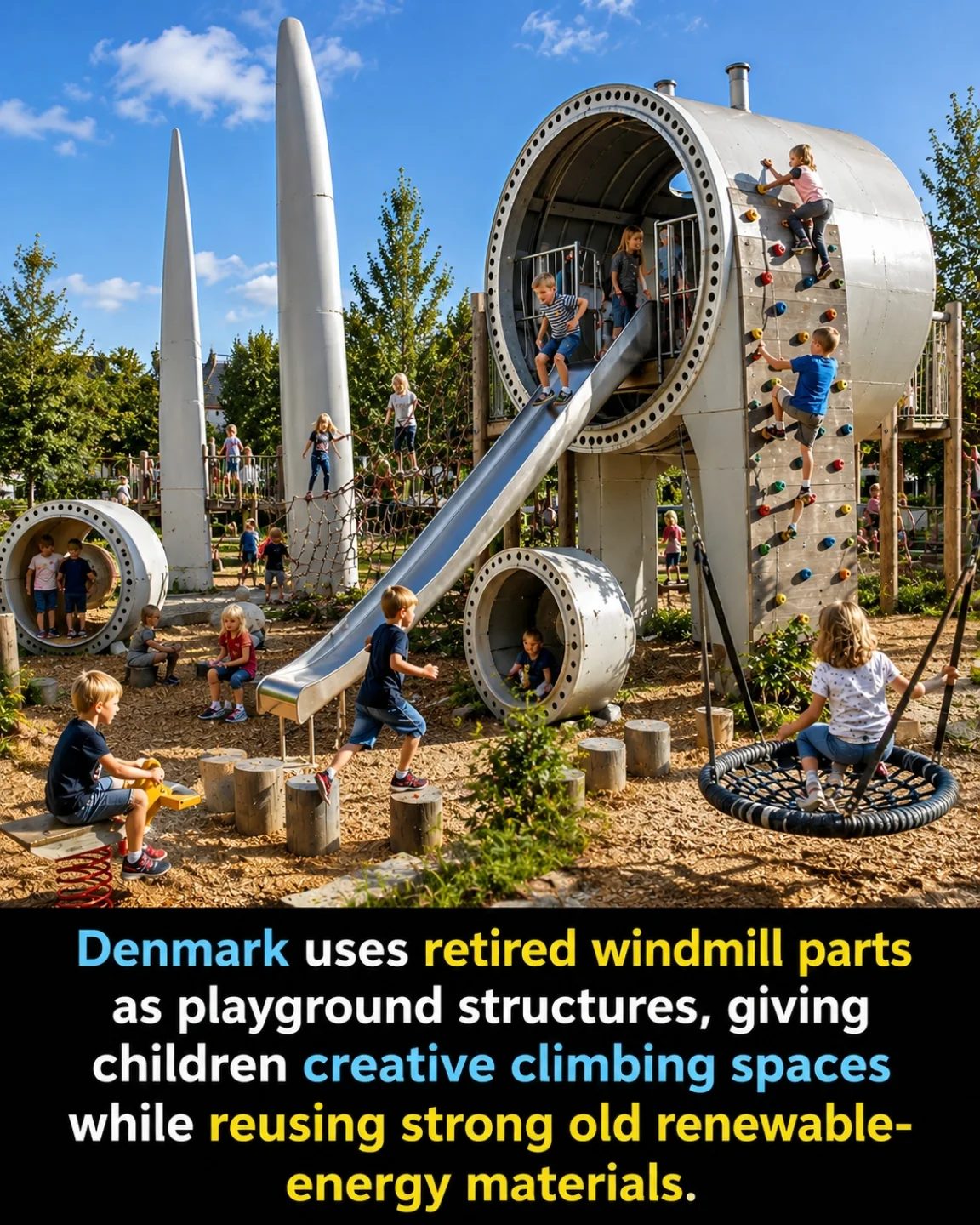
A unique playground located in Denmark stands as a testament to innovative design and sustainability. This playground is not just a space for children to play; it is a creative and engaging environment built from retired windmill parts, showcasing a sustainable approach to design by reusing old renewable energy materials.
Context / Why This Matters
The integration of old windmill parts into a modern playground is a great example of creative thinking and sustainable design in public spaces. This initiative is significant for several reasons:
- Environmental Impact: Reusing materials reduces waste and the need for new resources, contributing to environmental sustainability.
- Community Engagement: The playground serves as a community asset, providing a space for children to play and learn about sustainable practices.
- Educational Value: The playground can serve as an educational tool, showing children and adults the importance of repurposing materials and sustainability.
- Community and Innovation: By designing a playground from retired windmill parts, the community demonstrates an innovative approach to urban planning.
Main Discussion
The Construction and Design
The playground in Denmark is constructed using retired windmill parts, which are robust and durable. These parts, originally used in renewable energy production, are now repurposed to create climbing walls, slides, and other play structures. The design not only provides a fun and engaging play space for children but also teaches them about the importance of sustainability and innovation in design.
Sustainability and Repurposing
Sustainability is at the core of this playground's design. By repurposing old renewable energy materials, the playground reduces waste and conserves resources. The use of retired windmill parts ensures that the materials are strong and durable, making them ideal for play structures. This approach to design highlights the potential for creative reuse of materials in public spaces.
Benefits of Repurposing
- Environmental Benefits: Repurposing materials reduces the demand for new resources, lowering the environmental impact of construction.
- Cost-Effective: Repurposing can be more cost-effective than using new materials, making sustainable design more accessible.
- Community Involvement: Involving the community in repurposing projects fosters a sense of ownership and pride, enhancing community engagement.
The Creative Play Elements
The playground features a variety of play elements, including climbing walls, slides, and other creative structures. These elements not only provide hours of entertainment for children but also encourage physical activity and imagination. The unique design of the playground stimulates creativity and exploration, making it a valuable asset for the community.
Creative Elements
- Climbing Walls: These walls challenge children to climb and explore, promoting physical fitness and problem-solving skills.
- Slides: Slides offer a fun and thrilling experience, encouraging children to take risks and build confidence.
- Other Structures: Various play structures, such as tunnels and balancing beams, enhance the playground's appeal and offer diverse play experiences.
Practical Tips
For those inspired by this unique playground, here are some practical tips to create a sustainable and engaging play space.
Planning and Design
- Assess Available Materials: Begin by assessing the materials available for repurposing in your community. Look for sturdy and safe materials that can be repurposed into play structures.
- Engage the Community: Involve community members in the planning and design process. Community input can lead to more innovative and inclusive designs.
- Safety Considerations: Ensure that all repurposed materials are safe for children by inspecting them for any hazards and making necessary modifications.
Implementing the Design
- Utilize Strong and Durable Materials: Use materials that are strong and durable, such as retired windmill parts, to ensure the longevity of the playground.
- Create a Variety of Play Elements: Incorporate a mix of play elements, such as climbing walls, slides, and tunnels, to cater to different ages and play preferences.
- Encourage Creativity and Exploration: Design the playground to stimulate creativity and exploration, providing children with a space to learn and grow.
Important Takeaways
The unique playground in Denmark serves as a model for sustainable and innovative design in public spaces. By repurposing retired windmill parts, the playground not only provides a fun and engaging play space for children but also promotes sustainability and community involvement. This initiative highlights the potential for creative reuse of materials in urban planning, inspiring communities to think outside the box and create innovative solutions.
Conclusion
The playground in Denmark constructed from retired windmill parts is a remarkable example of creative and sustainable design. By repurposing old renewable energy materials, the playground provides a unique and engaging play space for children while promoting sustainability and community involvement. This initiative serves as an inspiration for other communities seeking to create innovative and sustainable public spaces.
Watch the Reel
Related deep dives
Similar reads based on topic and creator.



Recent articles
Fresh deep dives from the latest Reels we unpacked.




Comments
Be the first to comment.