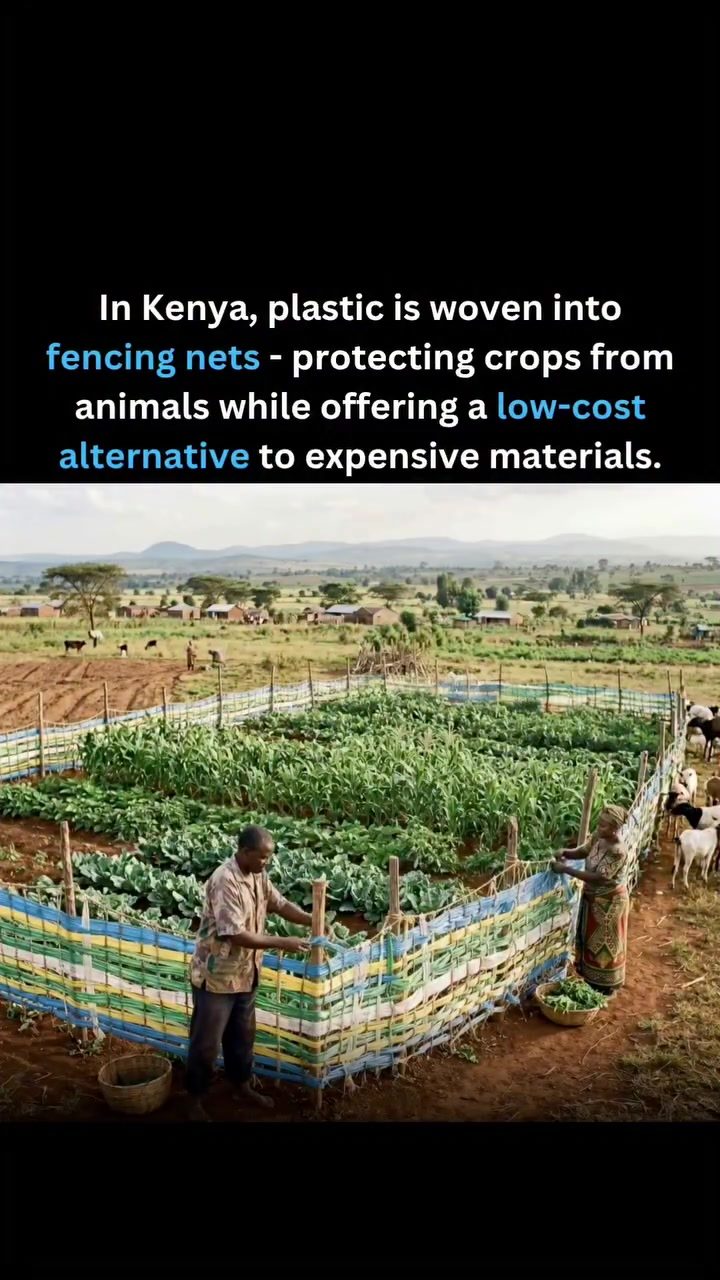
Plastic Fencing: A Sustainable Solution for Crop Protection in Kenya
In Kenya, plastic waste is being transformed into a practical and sustainable solution for crop protection. This innovative approach involves weaving plastic strips into fencing nets, providing a dual benefit of reducing plastic waste and safeguarding crops from animals.
Why This Matters
Agriculture is the backbone of Kenya's economy, employing a significant portion of the population and contributing substantially to the country's GDP. However, farmers face numerous challenges, including crop protection from wildlife and pests. Traditional fencing methods can be expensive and unsustainable, making them less accessible to small-scale farmers.
The use of plastic fencing offers a cost-effective and eco-friendly alternative. By repurposing plastic waste, this method not only addresses environmental concerns but also provides a practical solution to crop protection. This approach is particularly beneficial in rural areas where access to expensive fencing materials is limited.
Main Discussion
The Process of Creating Plastic Fencing
The process of creating plastic fencing involves several steps. First, plastic waste is collected and sorted. The sorted plastic is then cut into strips and woven around wooden poles to form a sturdy fence. This method is simple and does not require specialized tools or machinery, making it accessible to even the most resource-limited communities.
The woven plastic fencing is not only effective in protecting crops but also durable and long-lasting. The plastic strips are resistant to weathering and pests, ensuring that the fence remains intact for an extended period. This durability makes plastic fencing a reliable choice for farmers who need a long-term solution for crop protection.
Benefits of Plastic Fencing
Plastic fencing offers several benefits over traditional fencing methods. Firstly, it is a low-cost alternative to expensive materials. By using recycled plastic, farmers can save on the costs associated with purchasing new fencing materials. Secondly, plastic fencing is environmentally friendly. It reduces plastic waste by repurposing it into a useful product, thereby contributing to waste management efforts.
Moreover, plastic fencing is easy to install and maintain. The weaving process is straightforward and can be done by anyone with basic skills. The fence requires minimal maintenance, as plastic does not degrade easily and is resistant to pests. This ease of installation and maintenance makes plastic fencing an attractive option for farmers who may not have the time or resources to invest in more complex fencing solutions.
Challenges and Considerations
While plastic fencing offers numerous benefits, there are also challenges and considerations to keep in mind. One potential challenge is the availability of plastic waste. In some areas, plastic waste may not be readily available, making it difficult to create plastic fencing. Additionally, the quality of the plastic waste can vary, affecting the durability and effectiveness of the fence.
Another consideration is the potential impact on the environment. While plastic fencing is a form of waste management, the production and disposal of plastic can still have environmental consequences. It is essential to ensure that the plastic used for fencing is recycled properly and that the manufacturing process is environmentally friendly.
Practical Tips
For those interested in implementing plastic fencing, here are some practical tips to consider:
-
Source High-Quality Plastic Waste: Ensure that the plastic waste used for fencing is of good quality and free from contaminants. This will help in creating a durable and effective fence.
-
Choose the Right Size and Thickness: The size and thickness of the plastic strips will determine the strength and durability of the fence. Choose strips that are thick enough to withstand the elements and provide adequate protection.
-
Proper Installation Techniques: Pay attention to the weaving technique to ensure that the fence is tightly woven and secure. This will help in preventing animals from breaking through the fence.
-
Regular Maintenance: Although plastic fencing is low maintenance, it is still essential to inspect the fence regularly for any signs of wear and tear. Address any issues promptly to ensure the longevity of the fence.
Important Takeaways
The use of plastic fencing in Kenya demonstrates a practical and sustainable approach to crop protection. By repurposing plastic waste into fencing nets, farmers can protect their crops while contributing to environmental conservation. The ease of installation, durability, and cost-effectiveness of plastic fencing make it an attractive option for farmers, especially those in resource-limited areas.
Furthermore, the implementation of plastic fencing can have broader implications for waste management and environmental sustainability. By reducing plastic waste and creating a useful product, this method contributes to a cleaner and greener environment.
Conclusion
Plastic fencing offers a practical and sustainable solution for crop protection in Kenya. By repurposing plastic waste into fencing nets, farmers can protect their crops while contributing to environmental conservation. This innovative approach not only addresses the challenges of crop protection but also promotes sustainable waste management practices.
As more farmers and communities adopt this method, the benefits of plastic fencing are likely to become more apparent. Through continued innovation and collaboration, it is possible to create more sustainable and practical solutions for crop protection and environmental conservation.
Watch the Reel
Questions readers ask
How does plastic fencing help Kenyan farmers?
Plastic fencing assists Kenyan farmers by providing a barrier against pests and wildlife that might otherwise damage their crops. Additionally, it offers an affordable and eco-friendly alternative to traditional fencing methods, which can be costly and less sustainable.
What is the process of creating plastic fencing from plastic waste?
The process involves repurposing plastic waste by weaving plastic strips into durable fencing nets. This method not only reduces plastic waste but also creates a sturdy and effective barrier for protecting crops.
Why is plastic fencing a sustainable solution for Kenyan agriculture?
Plastic fencing is sustainable because it repurposes plastic waste, which reduces environmental pollution. Moreover, it provides a long-lasting and cost-effective solution for crop protection, supporting the agricultural sector in Kenya.
How does plastic fencing compare to traditional fencing methods in Kenya?
Traditional fencing methods in Kenya can be expensive and may not be as eco-friendly as plastic fencing. Plastic fencing is more cost-effective, sustainable, and just as effective in protecting crops from pests and wildlife.
What are the economic benefits of using plastic fencing in Kenya?
Using plastic fencing in Kenya supports the economy by providing a low-cost solution for farmers, reducing the financial burden of traditional fencing methods. This allows farmers to invest more resources into their crops, potentially increasing yield and profitability.
Can plastic fencing be used for purposes other than agriculture in Kenya?
Yes, plastic fencing can be used for various purposes beyond agriculture, such as securing residential or commercial properties, creating barriers for public spaces, or even for livestock management. Its durability and cost-effectiveness make it a versatile solution for numerous applications.
Recent articles
Fresh deep dives from the latest Reels we unpacked.




Comments
Be the first to comment.