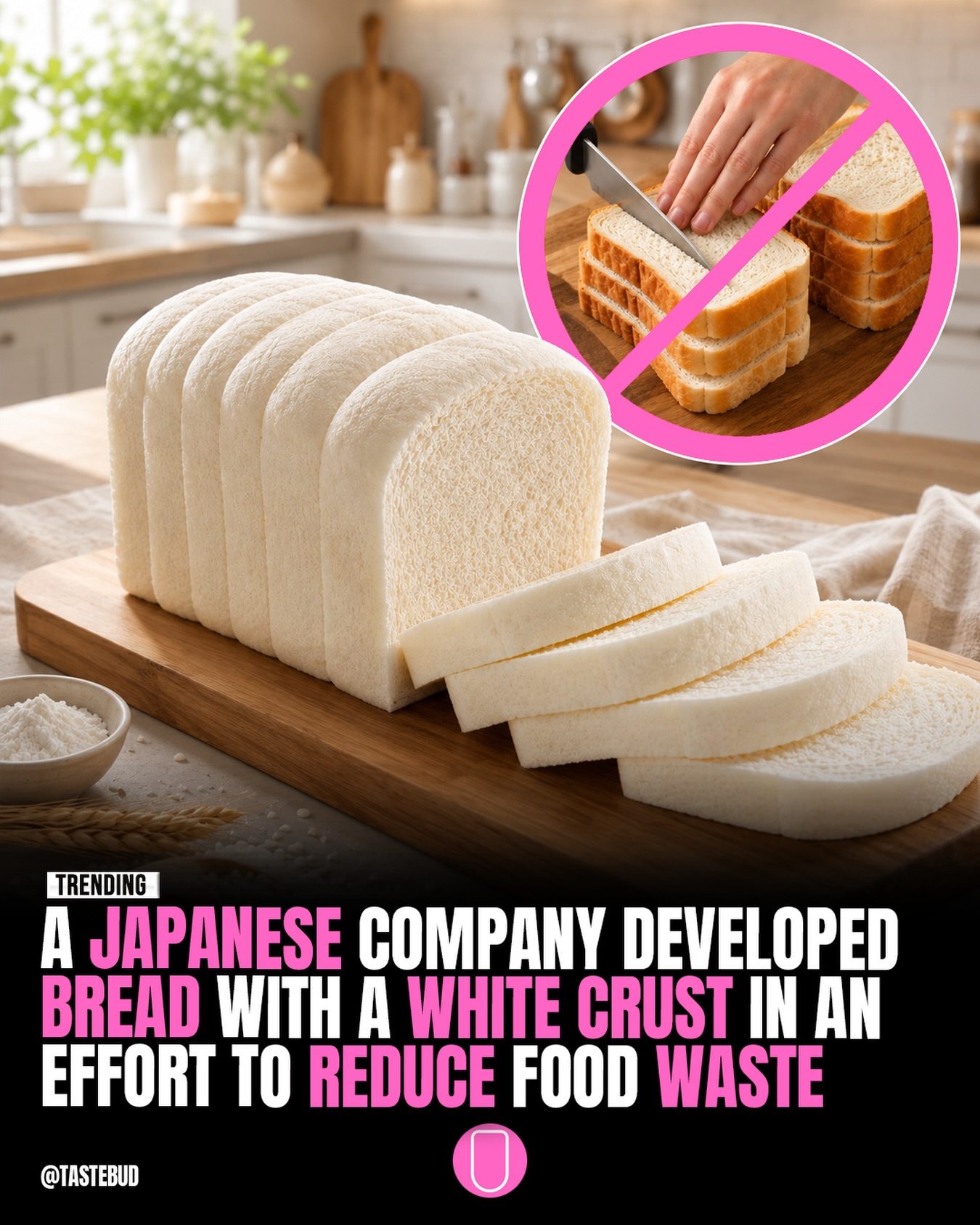
Japanese Milk Bread and the Innovation of the White Crust
Japanese milk bread, or Shokupan, has long been a beloved staple in Japanese cuisine. Originating after World War II, when bread consumption skyrocketed across Japan, this slightly sweet and soft loaf became a daily essential. Over time, bakers refined the recipe, making it softer and more indulgent. However, a common issue emerged: many people prefer to remove the crust, especially when using the bread for sandwiches or desserts. Enter the innovative solution from chefs in Tokyo.
Context / Why This Matters
The Japanese philosophy of "mottainai" emphasizes the importance of reducing waste, particularly food waste. Chefs in Tokyo have embraced this philosophy, leading to the development of a unique type of milk bread. This new bread features a soft, white crust that seamlessly blends with the rest of the loaf, effectively eliminating the need to discard the crust. This innovation not only enhances the overall eating experience but also aligns with the growing global movement toward sustainability in food production and consumption.
The Evolution of Japanese Milk Bread
From Post-War Staple to Modern Delight
Japanese milk bread, or Shokupan, became popular after World War II as bread consumption rose across Japan. This period saw a significant shift in dietary habits, with bread becoming a staple in many households. Over the years, bakers experimented with the recipe, making the bread softer and slightly sweet to suit the Japanese palate. The result was a loaf that was both delicious and versatile, suitable for a wide range of meals and snacks.
The Issue with Crusts and How It Was Solved
As popular as Shokupan became, many consumers found the crust to be less desirable. Whether it was for sandwiches, French toast, or other creative uses, the crust often ended up in the trash. This presented an issue of food waste, as well as a perceived inconvenience for consumers who preferred a crustless experience. To address this, chefs in Tokyo took inspiration from the "mottainai" philosophy, a concept focused on reducing waste and making the most of resources. They developed a version of milk bread with a soft, white crust that integrates seamlessly into the bread, eliminating the need to cut it off.
The Innovation in Detail
The Philosophy of "Mottainai"
The Japanese philosophy of "mottainai," which translates to "what a waste," reflects a deep respect for resources and a desire to minimize waste. In the context of food, this philosophy encourages using every part of a product and reducing unnecessary waste. The development of a crustless milk bread aligns perfectly with these principles, providing a solution that is both environmentally friendly and consumer-friendly.
The Soft White Crust
At first glance, the soft white crust may seem like a minor innovation, but it represents a significant step forward in both culinary and environmental terms. The white crust is designed to be as soft and tender as the rest of the bread, ensuring that there is no difference in texture or taste. This means that every bite of the bread is enjoyable, and there is no need to discard any part of the loaf.
The Benefits of the Soft White Crust
The soft white crust offers several benefits. Firstly, it enhances the overall eating experience by providing a consistent texture throughout the loaf. Secondly, it reduces food waste, as there is no need to discard the crust. Thirdly, it aligns with the philosophy of "mottainai," promoting a more sustainable approach to food consumption. Finally, it offers versatility in cooking and baking, making it suitable for a wide range of recipes and uses.
Practical Tips
To get the most out of this innovative bread, consider the following tips:
Slicing and Storing
When slicing, use a sharp knife to ensure clean, even slices. This will help maintain the bread's texture and prevent it from becoming crumbly. Store the bread in an airtight container at room temperature to preserve its freshness. If you prefer to freeze it, slice the bread before freezing to make it easier to thaw and use individual slices.
Creative Uses
The soft, white crust makes this bread versatile for various dishes. Here are a few ideas:
- Sandwiches: Use it for a range of sandwiches, from classic BLTs to more creative combinations like avocado and smoked salmon.
- French Toast: The soft texture of the bread makes it perfect for French toast, soaking up the egg mixture beautifully.
- Croutons: Cut the bread into cubes, toss with olive oil, and bake until crispy for homemade croutons.
- Breading: Use it as a base for breading meats and vegetables, adding a tender, crispy layer.
Important Takeaways
- Japanese milk bread, or Shokupan, has evolved significantly since its post-WWII origins, becoming a softer, slightly sweet loaf that is a staple in many households.
- The innovation of a white crust that blends seamlessly into the rest of the bread addresses a common issue of food waste and enhances the eating experience.
- The concept is inspired by the Japanese philosophy of "mottainai," which promotes the reduction of waste and the optimal use of resources.
- The soft, white crust offers multiple benefits, including a consistent texture, reduced waste, and versatility in cooking and baking.
Conclusion
The innovation of a bread with a soft, white crust represents a significant step forward in the world of bread-making and sustainable food practices. By addressing the issue of food waste and enhancing the overall eating experience, this bread offers a solution that is both consumer-friendly and environmentally responsible. Whether you are a baker looking to experiment with new recipes or a consumer seeking a more sustainable bread option, this innovation is worth exploring.
Watch the Reel
Related deep dives
Similar reads based on topic and creator.


Recent articles
Fresh deep dives from the latest Reels we unpacked.




Comments
Be the first to comment.