Intersection Design: Engineer-designed, Light-Free, and Seamlessly Efficient
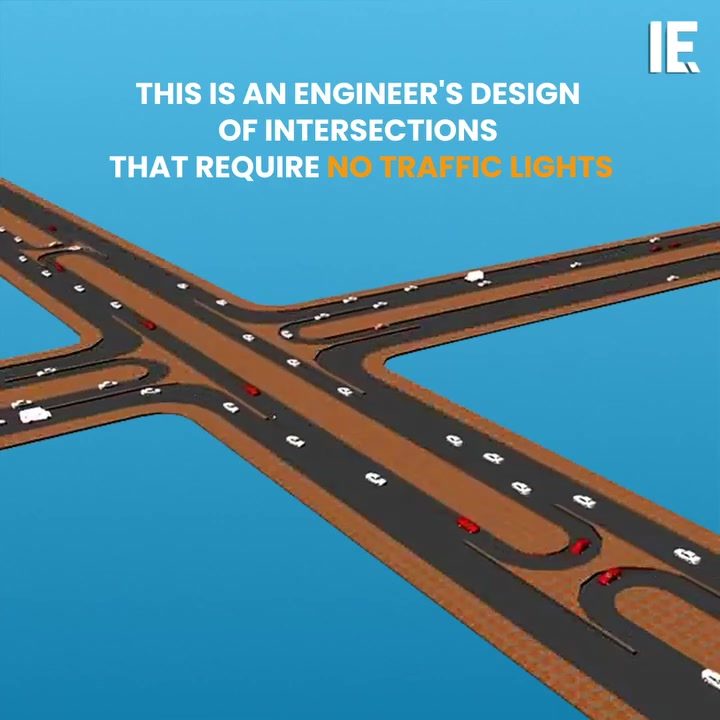
Intersection design is a critical aspect of urban planning and traffic management. Traditional intersections often rely on traffic lights to control the flow of vehicles, which can lead to congestion and delays. However, an innovative design concept has emerged, aiming to eliminate the need for traffic lights altogether. This engineer-designed intersection utilizes a complex system of ramps and curves to allow vehicles to flow smoothly and efficiently through the intersection.
Context / Why This Matters
Efficient traffic management is crucial for urban areas where congestion can lead to significant delays, increased fuel consumption, and higher levels of pollution. By reimagining intersection design, engineers can create solutions that improve traffic flow, reduce waiting times, and enhance overall mobility. This is particularly important in densely populated cities where traffic congestion is a major issue.
Main Discussion
The Concept of Light-Free Intersections
The primary goal of this innovative intersection design is to eliminate the need for traffic lights. Traditional intersections often rely on traffic signals to regulate the flow of vehicles, but this can lead to congestion and inefficiencies. By designing intersections that do not require traffic lights, engineers aim to create a more seamless and efficient traffic flow.
System of Ramps and Curves
The design features a complex system of ramps and curves that guide vehicles through the intersection without the need for stop-and-go signals. This system is carefully engineered to ensure that vehicles can navigate the intersection smoothly, reducing the likelihood of collisions and minimizing delays. The ramps and curves are designed to maintain a consistent flow of traffic, allowing vehicles to merge and diverge efficiently.
Benefits of the Design
One of the key benefits of this design is its potential to reduce traffic congestion. By eliminating the need for traffic lights, vehicles can move through the intersection more quickly and efficiently, reducing waiting times and improving overall traffic flow. This can lead to significant time savings for commuters and reduced fuel consumption, as vehicles spend less time idling at intersections.
Another benefit is the potential to enhance safety. Traditional intersections with traffic lights can be hazardous, especially during peak travel times when drivers may be more likely to engage in risky behavior. The smooth flow of traffic in this design can help reduce the likelihood of collisions and improve overall safety.
Practical Tips
Understanding the Design
To fully appreciate the benefits of this intersection design, it's important to understand how it works. The system of ramps and curves is designed to guide vehicles through the intersection in a manner that minimizes delays and maximizes efficiency. By studying the design, urban planners and traffic engineers can gain insights into how to implement similar solutions in their own cities.
Implementing the Design
Implementing this design in real-world settings will require careful planning and coordination. Engineers and urban planners will need to assess the feasibility of the design in different contexts, considering factors such as traffic volume, road layout, and local regulations. It may also be necessary to conduct simulations and pilot tests to evaluate the design's effectiveness and identify any potential challenges.
Addressing Challenges
While the design offers many potential benefits, there are also challenges to consider. One of the main challenges is the potential for confusion among drivers who are not familiar with the new layout. Clear signage and driver education will be essential to ensure that drivers understand how to navigate the intersection safely and efficiently.
Another challenge is the need for infrastructure upgrades. Implementing this design may require significant changes to existing road infrastructure, including the construction of new ramps and curves. This can be a complex and costly process, and urban planners will need to carefully assess the potential costs and benefits.
Important Takeaways
Enhanced Traffic Flow
The most significant takeaway from this design is its potential to enhance traffic flow. By eliminating the need for traffic lights, the design allows vehicles to move more smoothly and efficiently through the intersection, reducing delays and improving overall mobility.
Improved Safety
The design also offers potential safety benefits. The smooth flow of traffic can help reduce the likelihood of collisions and improve overall safety for drivers and pedestrians.
Sustainability
Reducing the amount of time vehicles spend idling at intersections can also have environmental benefits, as it can lead to lower fuel consumption and reduced emissions.
Conclusion
The concept of an engineer-designed, light-free, and seamlessly efficient intersection represents a significant innovation in traffic management. By utilizing a system of ramps and curves, this design aims to eliminate the need for traffic lights, enhancing traffic flow, safety, and sustainability. While there are challenges to consider, the potential benefits make it a promising solution for urban areas struggling with congestion and inefficiency. Urban planners and traffic engineers should explore the feasibility of implementing similar designs in their own cities to improve traffic management and enhance overall mobility.
Watch the Reel
Questions readers ask
How do traffic light-free intersections work?
Traffic light-free intersections use a combination of ramps and curves to guide vehicles through the intersection. These ramps and curves help maintain a steady flow of traffic, reducing the need for stopping and starting, which in turn minimizes congestion and pollution.
What are the benefits of using ramps and curves in intersection design?
Ramps and curves in intersection design help to control vehicle speed and direction, ensuring a smooth flow of traffic. This design can reduce the likelihood of accidents caused by sudden stops or turns, and it minimizes the need for traffic lights, which can be a source of congestion and delays.
Can self-correcting intersections improve traffic flow in dense urban areas?
Self-correcting intersections, which adjust to changes in traffic volume and flow, can significantly improve traffic management in dense urban areas. By adapting to real-time conditions, these intersections can help reduce congestion, waiting times, and the overall environmental impact of traffic.
What is an example of an innovative traffic management technique that avoids traffic lights?
One example is the 'free-flow intersection' design, which uses a combination of ramps, curves, and continuous lanes to keep traffic moving without the need for traffic lights. This technique helps to reduce congestion and improve the overall efficiency of urban traffic flow.
How can urban intersection redesigns help reduce pollution?
Urban intersection redesigns that eliminate traffic lights can reduce pollution by minimizing idling and sudden acceleration, which are common causes of increased emissions. By keeping traffic moving steadily, these designs help to lower fuel consumption and reduce the carbon footprint of urban transportation.
Related deep dives
Similar reads based on topic and creator.

Recent articles
Fresh deep dives from the latest Reels we unpacked.




Comments
Be the first to comment.