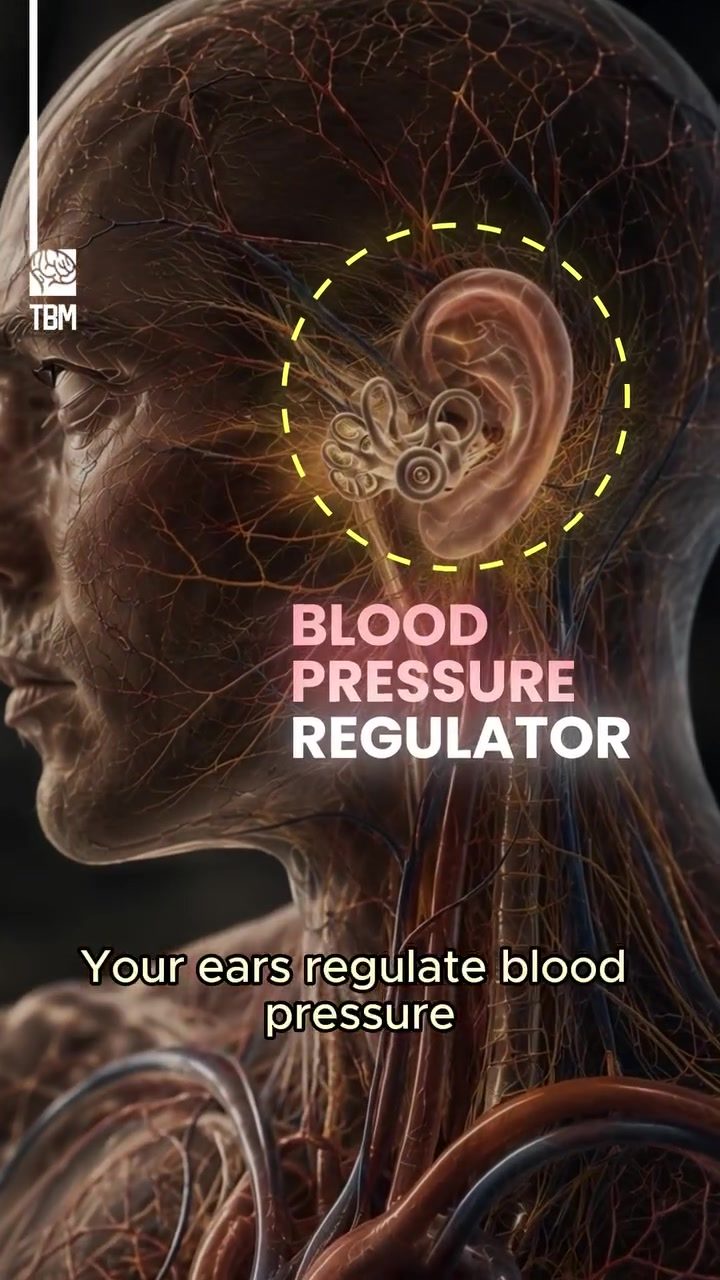
The Intricate Role of the Ears in Regulating Blood Pressure
The inner ear, a marvel of human anatomy, is known for its role in maintaining balance. However, its functions extend far beyond equilibrium; it also plays a crucial role in regulating blood pressure. This process involves a complex interplay of delicate sensors and neural signals that ensure the body's cardiovascular system remains stable, especially during changes in posture or motion.
Context / Why this matters
Understanding how the inner ear contributes to blood pressure regulation is essential for grasping the full scope of human physiological responses. This knowledge can help individuals appreciate the intricate mechanisms that keep the body functioning optimally and can aid healthcare professionals in diagnosing and treating conditions related to blood pressure instability.
The Vestibular System and Cardiovascular Reflexes
The vestibular system, located within the inner ear, is primarily responsible for balance. However, its role extends to cardiovascular regulation through a network of tiny hair cells known as stereocilia. These specialized sensors detect even the slightest head movements and transmit signals via the vestibular nerve to the brainstem. This neural pathway triggers adjustments in heart rate and blood vessel diameter, which are essential for stabilizing blood pressure.
The Mechanisms of Blood Pressure Regulation
Sensory Input and Neural Signaling
Inside the inner ear, stereocilia are finely tuned to detect head movements as small as a fraction of a millimeter. When these sensors register movement, they send instantaneous signals to the brainstem. This rapid communication is crucial for the body's ability to adjust to changes in posture or motion swiftly.
The Role of the Brainstem
The brainstem acts as a command center, receiving signals from the vestibular system and initiating appropriate cardiovascular responses. It adjusts heart rate and blood vessel diameter to maintain steady blood flow to the brain. This continuous feedback loop ensures that blood pressure remains stable, even during sudden movements or changes in position.
Preventing Dizziness and Fainting
One of the key benefits of this regulatory mechanism is the prevention of dizziness and fainting. By maintaining steady blood flow to the brain, the vestibular system helps avoid the sudden drops in blood pressure that can cause these symptoms. This is particularly important when standing up quickly, as the body needs to adapt to the shift from a horizontal to a vertical position.
Specialized Sensors and Rapid Reflexes
The ear’s specialized sensors, known as stereocilia, are remarkable in their sensitivity and speed. These tiny hair cells can detect shifts as small as a fraction of a millimeter and activate reflexes within milliseconds. This rapid response is essential for the body's ability to maintain balance and stabilize blood pressure during dynamic movements.
The Circuit Feedback Loop
The circuit feedback loop in the inner ear works continuously, integrating sensory input with autonomic control centers. This loop ensures that the body's cardiovascular system is always in sync with its movements and posture. The ear's role in this process extends beyond hearing and balance, actively contributing to cardiovascular health by regulating the sympathetic nervous system.
The Sympathetic Nervous System and Cardiovascular Health
The inner ear's influence on the sympathetic nervous system is a critical aspect of cardiovascular health. The sympathetic nervous system is responsible for the body's "fight or flight" responses, which include changes in heart rate and blood vessel diameter. By regulating this system, the inner ear helps maintain blood pressure stability and reduces the risk of falls or fainting.
Potential Disruptions and Their Consequences
Disruptions in the vestibular system can lead to significant health issues. Any malfunction in the ear's ability to regulate blood pressure can result in instability, increasing the risk of falls and fainting. This underscores the importance of the vestibular system in maintaining overall cardiovascular health and highlights the need for further research and awareness.
Practical Tips
Maintaining Ear Health
To support the ear's role in regulating blood pressure, it is essential to maintain good ear health. This includes regular check-ups with an audiologist, avoiding exposure to loud noises, and protecting the ears from injury.
Staying Active
Regular physical activity can help improve balance and cardiovascular health. Exercises that challenge the vestibular system, such as yoga or tai chi, can be particularly beneficial. These activities promote overall body awareness and can enhance the body's ability to regulate blood pressure during movement.
Managing Blood Pressure
For individuals with blood pressure issues, understanding the role of the vestibular system can be valuable. Working with healthcare professionals to manage blood pressure through lifestyle changes and medication can help alleviate symptoms and improve quality of life.
Important Takeaways
The Vestibular System's Dual Role
The vestibular system's role in maintaining balance and regulating blood pressure is a testament to the body's complex and interconnected systems. Recognizing this dual function can help individuals appreciate the intricate mechanisms that keep them healthy.
The Importance of Sensory Input
The specialized sensors in the inner ear are crucial for the body's ability to respond rapidly to changes in posture and motion. Ensuring these sensors function optimally is essential for overall cardiovascular health.
The Continuous Feedback Loop
The continuous feedback loop between the vestibular system and the autonomic control centers ensures that the body's cardiovascular system remains stable. This loop is a critical aspect of maintaining blood pressure and overall health.
Conclusion
The inner ear's role in regulating blood pressure is a fascinating aspect of human physiology. By understanding how the vestibular system, specialized sensors, and the brainstem work together, individuals can gain a deeper appreciation for the body's intricate mechanisms. Maintaining ear health, staying active, and managing blood pressure are practical steps that can support this critical function and contribute to overall well-being.
Watch the Reel
Questions readers ask
How does the inner ear detect changes in head movement?
The inner ear contains tiny sensors that detect even the slightest changes in head movement. These sensors are part of the vestibular system, which sends signals to the brainstem to initiate appropriate responses, such as adjusting heart rate and blood vessel diameter.
What role does the brainstem play in blood pressure regulation?
The brainstem acts as a relay center, receiving signals from the inner ear about head movements and posture changes. It then sends commands to the cardiovascular system to adjust heart rate and blood vessel diameter, ensuring that blood pressure remains stable.
Can inner ear issues affect blood pressure control?
Yes, issues with the inner ear or the vestibular system can potentially disrupt blood pressure regulation. This is because the inner ear's sensors and pathways are crucial for communicating changes in head position and movement to the brainstem, which then regulates blood pressure.
Why is maintaining blood pressure important during posture changes?
Changes in posture, such as standing up from a sitting position, can cause temporary fluctuations in blood pressure. The inner ear helps regulate these fluctuations, preventing symptoms like dizziness or fainting, and ensuring that blood flow to the brain remains consistent.
Are there specific exercises to improve inner ear function and blood pressure regulation?
Certain exercises, such as vestibular rehabilitation exercises, can help improve inner ear function and enhance the body's ability to regulate blood pressure. These exercises often involve head and balance movements designed to stimulate the vestibular system and strengthen its connections to the brain.
How do inner ear blood pressure sensors work?
The inner ear contains sensory structures, such as the otolith organs and semicircular canals, which detect linear and rotational movements of the head. These sensors convert mechanical forces into electrical signals, which are then transmitted to the brainstem for processing and response.
Related deep dives
Similar reads based on topic and creator.

Recent articles
Fresh deep dives from the latest Reels we unpacked.




Comments
Be the first to comment.