How Inhalers Work
Inhalers are small, portable devices that deliver medication directly to the lungs. They are commonly used to treat various respiratory conditions, including asthma and chronic obstructive pulmonary disease (COPD). Understanding how inhalers work can provide valuable insights into managing these conditions effectively.
Why This Matters
Asthma and COPD are chronic conditions that affect millions worldwide. Proper use of inhalers can significantly improve the quality of life for those suffering from these conditions. Learning about the mechanics of inhalers can demystify their use and encourage better adherence to treatment plans. Moreover, knowing how inhalers work can help users recognize when their devices are not functioning correctly, prompting them to seek medical advice.
How Inhalers Function
The Journey of Medication
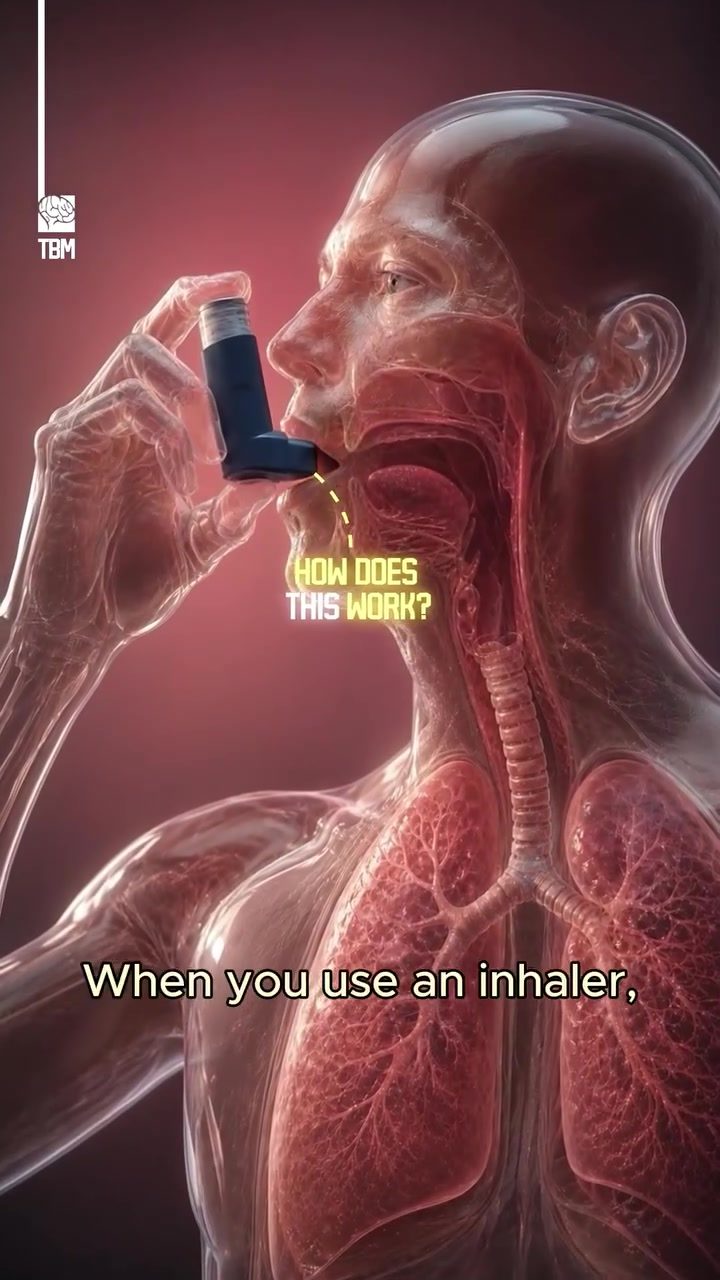
When you use an inhaler, a tiny cloud of medicine is released and travels through your mouth and down into the trachea. This mist continues its journey into the branching airways of the lungs, reaching the areas where breathing has become tight and restricted. This direct delivery ensures that the medication targets the affected areas with precision.
The Role of Smooth Muscles
During an asthma attack or a COPD exacerbation, the smooth muscles wrapped around the air tubes squeeze inward, making the passages narrow. This narrowing restricts airflow, leading to symptoms such as shortness of breath and wheezing. The medication in the inhaler is designed to target these tightened muscles. The active ingredients in the inhaler signal the muscles to relax, allowing the airways to widen.
The Process of Relaxation
As the muscles loosen, the airways slowly widen, creating more space for air to move. With each breath, oxygen can flow in more easily, and trapped air can move out. This process quickly turns a struggling breath into relief, providing immediate symptomatic relief. This mechanism is why inhalers are often the first line of defense in managing acute respiratory symptoms.
Practical Tips for Using Inhalers
Correct Technique
Using an inhaler correctly is crucial for effective treatment. Here are some practical tips to ensure you get the most out of your inhaler:
- Shake Well: If your inhaler contains a suspension, shake it well before use. This ensures that the medication is evenly distributed.
- Exhale Fully: Before using the inhaler, exhale completely to empty your lungs.
- Seal Your Lips: Place the mouthpiece of the inhaler in your mouth and seal your lips around it.
- Breathe In Slowly and Deeply: Press down on the canister to release the medication while inhaling slowly and deeply.
- Hold Your Breath: Hold your breath for 5 to 10 seconds to allow the medication to reach deep into your lungs.
- Exhale and Wait: Exhale slowly and wait for a few more seconds before taking another breath.
- Rinse Your Mouth: After using an inhaler with corticosteroids, rinse your mouth with water and spit it out to avoid oral thrush.
Timing and Frequency
- Regular Use: Follow your doctor's prescription regarding the frequency and timing of your inhaler use. Some inhalers are for immediate relief, while others are for long-term control.
- Maintenance: Clean your inhaler regularly to ensure it functions correctly and to prevent blockages.
Storage
- Temperature: Store your inhaler at room temperature, away from direct sunlight and moisture. Avoid extreme temperatures.
- Distance: Keep it away from heat sources like radiators, stoves, or direct sunlight.
- Travel: If you travel, ensure your inhaler is easily accessible and not in checked luggage, as changes in temperature and pressure could affect its function.
When to Seek Medical Help
If you notice any of the following, consult your healthcare provider:
- Increased Symptoms: If your symptoms worsen or do not improve with inhaler use.
- Difficulty Using Inhaler: If you find it hard to use the inhaler correctly or if it doesn't seem to be working.
- Side Effects: If you experience any unusual side effects.
Important Takeaways
Efficacy of Inhalers
Inhalers are highly effective in delivering medication directly to the lungs, providing quick relief from symptoms. The precise targeting of the smooth muscles around the airways ensures that the medication works efficiently, reducing inflammation and easing breathing difficulties.
Correct Use and Maintenance
Proper use and maintenance of inhalers are essential for their effectiveness. Regular cleaning, correct technique, and timely medical consultations can help ensure that your inhaler works optimally.
Importance of Medical Guidance
Always follow your healthcare provider's instructions regarding the use of inhalers. They can provide personalized guidance based on your specific condition and symptoms.
Conclusion
Using an inhaler is a vital part of managing asthma and COPD. By understanding the mechanics of how inhalers work, you can better manage your respiratory health. Proper technique, regular maintenance, and adherence to medical advice are key to getting the most out of your inhaler.
Watch the Reel
Questions readers ask
How do inhalers help relax airway muscles?
Inhalers contain medications, often bronchodilators, that target the muscles surrounding the airways. When inhaled, these medications bind to specific receptors in the muscles, causing them to relax and widen the airways, making it easier to breathe. This process is crucial for managing conditions like asthma and COPD, where airways can become constricted and tight.
What types of inhalers are commonly used for asthma and COPD?
There are several types of inhalers used for asthma and COPD, including metered-dose inhalers (MDIs), dry powder inhalers (DPIs), and soft mist inhalers. MDIs use a propellant to deliver medication in a quick burst, DPIs use a dry powder that is inhaled, and soft mist inhalers use a slow-moving mist to deliver medication. Each type has its specific use and advantages.
Why is it important to use inhalers correctly?
Proper inhaler use ensures that the medication is effectively delivered to the lungs. Incorrect use can result in the medication not reaching the airways, which can reduce the effectiveness of the treatment. Additionally, proper use helps to maintain the device's efficiency and prevent waste of medication.
What are bronchodilators, and how do they work in inhalers?
Bronchodilators are a type of medication commonly used in inhalers to treat respiratory conditions. They work by relaxing the muscles around the airways, allowing the air passages to widen. This makes it easier to breathe and reduces symptoms such as wheezing and shortness of breath.
How do inhalers deliver medication to the lungs?
Inhalers deliver medication to the lungs through a mist or dry powder that is inhaled directly into the airways. The medication is propelled or dispersed in a way that allows it to reach the lungs efficiently. This direct delivery method ensures that the medication targets the affected area, providing quick relief and effective treatment.
Can inhalers be used for conditions other than asthma and COPD?
While inhalers are primarily used for asthma and COPD, they can also be used for other respiratory conditions, such as cystic fibrosis and certain types of lung infections. Inhalers can deliver a variety of medications, including steroids and antibiotics, depending on the specific condition being treated.
What should I do if my inhaler doesn't seem to be working?
If your inhaler doesn't seem to be working, first check to ensure that you are using it correctly. Follow the instructions provided by your healthcare provider or the device's manual. If the problem persists, it may be due to a malfunctioning device or a need for a different medication. In this case, consult your healthcare provider for further guidance.
Related deep dives
Similar reads based on topic and creator.


Recent articles
Fresh deep dives from the latest Reels we unpacked.




Comments
Be the first to comment.