Car Ownership Costs: Understanding the Impact of Inflation
Buying a vehicle can be a significant investment, but recent trends in car ownership costs have made this decision even more complex. Over the past few years, the costs associated with owning a car or truck have risen sharply, driven by various economic factors. Let's break down how inflation has impacted car ownership and what you need to know before making a purchase.
Why This Matters
Understanding the current landscape of car ownership costs is crucial for anyone considering buying a vehicle. The financial implications go beyond the initial purchase price, affecting long-term expenses such as maintenance, insurance, and parking fees. These increases can significantly impact your budget and financial planning, making it essential to be well-informed.
The Impact of Inflation on Car Ownership Costs
New and Used Vehicle Prices
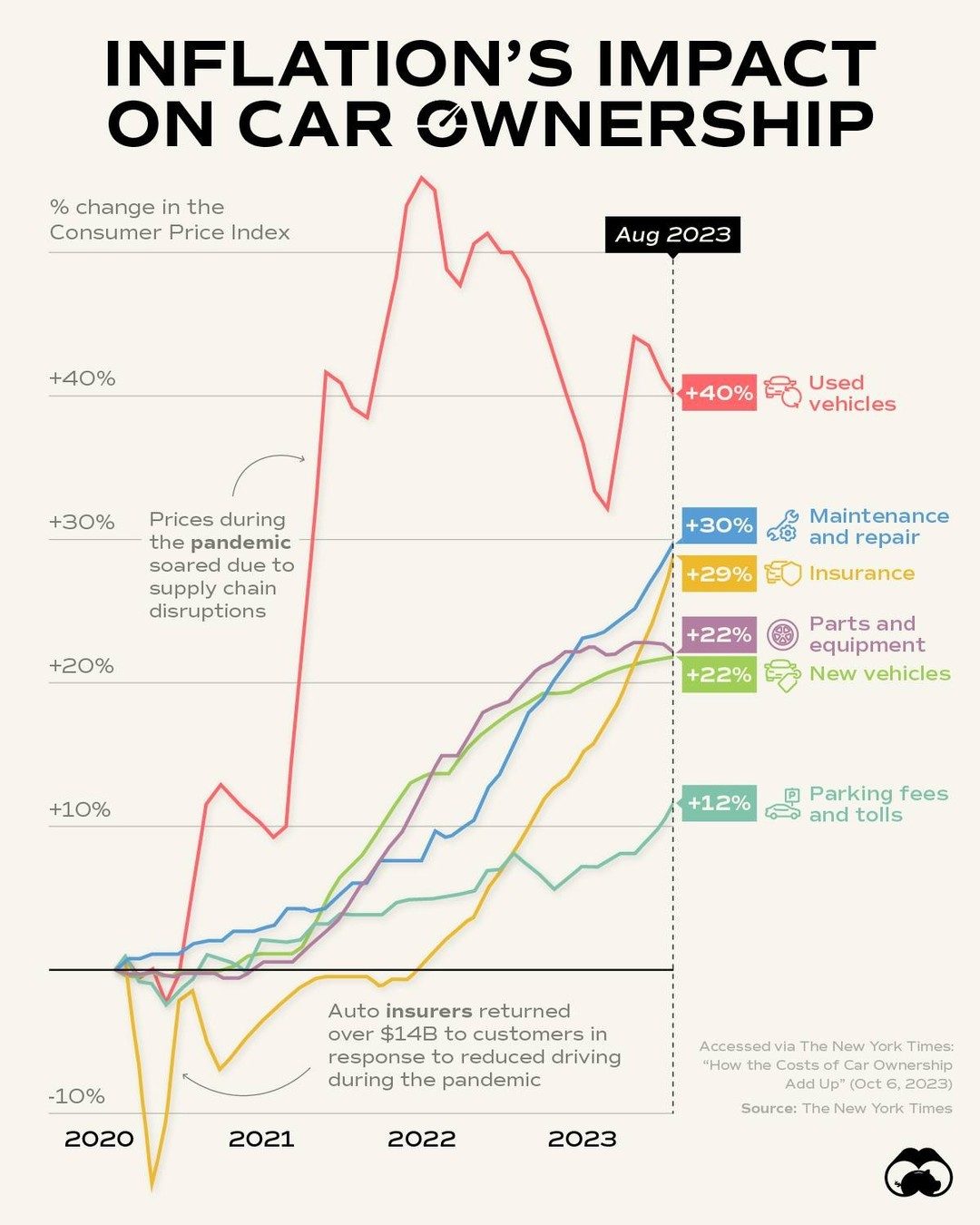
One of the most noticeable impacts of inflation is the surge in vehicle prices. According to data from the New York Times, new vehicle prices have increased by approximately 22% over recent years. This spike is due to a combination of factors, including supply chain disruptions and increased demand during the pandemic.
Used vehicle prices have also seen a significant increase, rising by about 40%. The pandemic drove this trend as people sought more personal transportation options, leading to a higher demand for used cars. Additionally, supply chain issues made new vehicles harder to come by, further boosting the demand for used cars.
Maintenance and Repair Costs
Maintenance and repair costs have also risen sharply, with an increase of around 30%. This rise can be attributed to the higher cost of labor and parts, as well as the increased complexity of modern vehicle repairs. Regular maintenance, such as oil changes and tire replacements, has become more expensive, while major repairs can now cost significantly more than in the past.
Insurance and Parking Fees
Insurance costs have seen a 29% increase, largely due to higher repair costs and the rising cost of replacement parts. This means that insuring your vehicle is now more expensive, adding to the overall cost of ownership. Additionally, parking fees and tolls have increased by 12%, affecting those who live in urban areas or frequently travel.
Supply Chain Disruptions
The pandemic exacerbated supply chain issues, leading to a shortage of new vehicles and increased demand for used ones. This imbalance drove up prices across the board, making car ownership more expensive. Auto insurers even returned over $14 billion to customers in response to reduced driving during the pandemic, highlighting the significant financial impact of these changes.
Practical Tips for Managing Car Ownership Costs
Research and Budgeting
Before purchasing a vehicle, conduct thorough research on both new and used vehicle prices. Understand the long-term costs associated with maintenance, insurance, and parking. Create a detailed budget that includes all these expenses to ensure you can afford the vehicle over its lifetime.
Explore Alternative Options
Consider alternative transportation options, such as car-sharing services or public transportation, if feasible. These options can help you save money on ownership costs while still providing the mobility you need.
Regular Maintenance
Regularly maintain your vehicle to prevent costly repairs. Follow the manufacturer's recommended maintenance schedule and address any issues promptly. This proactive approach can help you avoid unexpected expenses and keep your vehicle in good condition.
Shop Around for Insurance
Don't settle for the first insurance quote you receive. Shop around and compare rates from different providers to find the best deal. Consider factors like deductibles, coverage limits, and additional benefits when choosing an insurance plan.
Negotiate Prices
When buying a new or used vehicle, be prepared to negotiate the price. Research the market value and use this information to negotiate a fair price. Don't be afraid to walk away if the seller is not willing to meet your terms.
Important Takeaways
New and Used Vehicle Prices Have Soared
The prices for both new and used vehicles have seen substantial increases, driven by supply chain disruptions and increased demand. Be prepared for higher upfront costs when purchasing a vehicle.
Maintenance and Insurance Costs Have Also Risen
Maintenance and repair costs, as well as insurance premiums, have increased significantly. Factor these long-term costs into your budget to avoid financial surprises.
Supply Chain Issues and Pandemic Impact
The pandemic highlighted the vulnerabilities in the supply chain, leading to shortages and price increases. Be aware of these factors when planning your vehicle purchase.
Conclusion
Car ownership costs have risen significantly in recent years, driven by inflation, supply chain disruptions, and increased demand. Understanding these changes is crucial for making an informed decision when buying a vehicle. By researching prices, exploring alternative options, maintaining your vehicle, and negotiating prices, you can better manage the financial aspects of car ownership. Stay informed and prepared to navigate the complexities of the current market.
Watch the Reel
Questions readers ask
How has inflation affected the price of cars in 2023?
Inflation has significantly driven up car prices in 2023. According to recent reports, including those from the New York Times, the consumer price index for cars has shown a substantial increase. Prices have risen steadily not only for new vehicles but also for used ones, making car ownership more expensive than in previous years.
Why are vehicle maintenance costs increasing due to inflation?
Vehicle maintenance costs are increasing due to inflation because the prices of parts, labor, and services have all risen. This includes everything from routine checks to significant repairs. Additionally, the cost of raw materials and transportation has increased, further driving up maintenance expenses.
How has car insurance been impacted by inflation?
Car insurance premiums have seen an increase due to inflation. The rising cost of car repairs and medical care, which are often covered by insurance, have led to higher premiums. Additionally, with the increasing value of vehicles, insurers are adjusting their rates to account for potential payouts.
What factors have contributed to the rise in parking fees due to inflation?
Inflation has caused the cost of goods and services, including parking fees to rise. As the cost of labor and maintaining parking facilities increases, these expenses are passed on to consumers. Additionally, in urban areas, high demand and limited space contribute to rising parking fees.
How can I budget for car ownership in 2023, considering inflation?
Budgeting for car ownership in 2023 requires careful consideration of all associated costs. Start by researching the current prices of the vehicle and insurance. Also, consider the rising costs of maintenance and parking fees, and factor in potential increases over time. It's also wise to set aside an emergency fund to cover unexpected expenses.
What are the key economic factors driving up car ownership costs in 2023?
Several economic factors are driving up car ownership costs in 2023, including inflation, which has increased the price of vehicles and maintenance. Supply chain disruptions, particularly from the pandemic, have also contributed to higher vehicle prices and parts availability, impacting repair costs.
Recent articles
Fresh deep dives from the latest Reels we unpacked.




Comments
Be the first to comment.