Industrial Water Pumps: Critical Equipment for Maritime Safety
Water pumps play a vital role in various industrial applications, but their significance in maritime emergencies is particularly noteworthy. Ships, especially those carrying large numbers of passengers, are required to have reliable emergency systems. These include lifeboats that can survive impact with the ocean surface from significant heights.
Context / Why This Matters
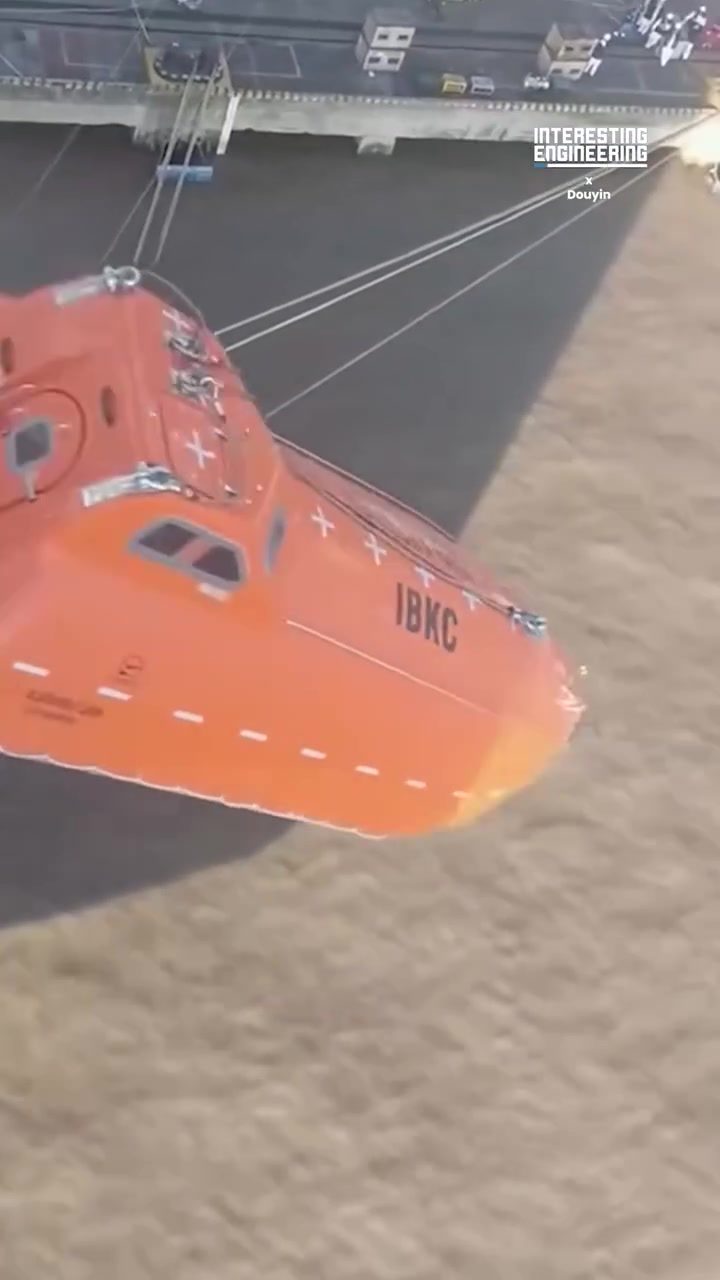
Emergency lifeboats on ships need to be robust and reliable. They must withstand the force of hitting the water from several meters above, ensuring the safety of the passengers in case of an evacuation. This is why testing these lifeboats is a critical process. The most effective way to test their durability is by launching them from the sky, simulating the conditions of an actual emergency.
Main Discussion
The Role of Water Pumps in Maritime Safety
Water pumps, especially those designed for industrial use, are crucial for maintaining the safety of ships. These pumps are often used to manage water levels in various compartments, ensuring that the ship remains buoyant and stable. In the event of a flood or emergency, the pumps can quickly remove excess water, preventing the ship from sinking.
The IBKC industrial water pump, for instance, is designed to handle muddy or debris-filled water. This makes it particularly useful in maritime emergencies where the water might not be clean. The pump's ability to expel debris ensures that it can continue functioning even in harsh conditions, making it a reliable choice for emergency situations.
Testing Emergency Lifeboats
Testing emergency lifeboats involves simulating the conditions of an actual emergency as closely as possible. This includes launching the lifeboats from a height that mimics the scenario of a ship's evacuation. The impact with the water can be severe, and the lifeboats must be able to withstand this force without compromising the safety of the passengers.
The testing process is rigorous and involves careful planning. The lifeboats are launched from a height of several meters, and their impact with the water is closely monitored. The goal is to ensure that the lifeboats can still function properly after the impact, providing a safe means of escape for passengers.
The Importance of Reliable Equipment
Reliable equipment is paramount in maritime safety. The IBKC industrial water pump, for example, is designed to handle the challenging conditions of industrial environments. Its robust construction and ability to expel debris make it a reliable choice for emergency situations.
Similarly, the lifeboats must be designed to withstand the impact of hitting the water from a significant height. This requires careful engineering and rigorous testing to ensure that the lifeboats can provide a safe means of escape in an emergency. The testing process is crucial in identifying any potential weaknesses in the lifeboats, allowing for improvements and ensuring that they are ready for any situation.
The Engineering Behind Water Pumps
Water pumps, like the IBKC model, are engineered to handle the toughest conditions. They are designed to expel water and debris efficiently, ensuring that they can continue to function even in harsh environments. The pumps are constructed from durable materials that can withstand the wear and tear of industrial use, making them a reliable choice for emergency situations.
The engineering behind these pumps involves careful consideration of various factors, including the type of water they will be handling, the environment in which they will be used, and the potential for debris. The result is a pump that is robust, reliable, and capable of handling the challenges of industrial and emergency situations.
Practical Tips
Maintaining Industrial Water Pumps
Maintaining industrial water pumps is crucial for their longevity and effectiveness. Regular inspections and routine maintenance can help identify any potential issues early, preventing costly repairs or replacements. It's essential to follow the manufacturer's guidelines for maintenance, including replacing worn-out parts and ensuring that the pump is operating efficiently.
Testing Lifeboats Effectively
Testing lifeboats involves more than just launching them from a height. It's important to simulate the conditions of an actual emergency as closely as possible, including the impact with the water and the subsequent operation of the lifeboat. Regular testing and inspections can help identify any potential issues, ensuring that the lifeboats are ready for use in an emergency.
Ensuring Reliable Emergency Systems
Reliable emergency systems are crucial for maritime safety. This includes not only lifeboats but also water pumps and other equipment that can help in an emergency. Regular maintenance and testing can ensure that these systems are ready for use when needed, providing a safe means of escape for passengers.
Important Takeaways
- Industrial water pumps are essential for maintaining the safety of ships, especially in emergencies.
- Testing emergency lifeboats involves simulating the conditions of an actual emergency, including launching them from a height and monitoring their impact with the water.
- Reliable equipment, including water pumps and lifeboats, is crucial for maritime safety. Regular maintenance and testing can ensure that these systems are ready for use in an emergency.
- The engineering behind industrial water pumps involves careful consideration of various factors, including the type of water they will be handling and the potential for debris.
Conclusion
Industrial water pumps and emergency lifeboats are critical components of maritime safety. The IBKC industrial water pump, for example, is designed to handle the toughest conditions, making it a reliable choice for emergency situations. Testing these lifeboats and ensuring that they can withstand the impact of hitting the water from a significant height is crucial for their effectiveness in an emergency. Regular maintenance and testing of these systems can ensure that they are ready for use when needed, providing a safe means of escape for passengers. By prioritizing the reliability and effectiveness of these systems, we can enhance maritime safety and ensure that passengers are protected in case of an emergency.
Watch the Reel
Questions readers ask
What role do industrial water pumps play in maritime safety?
Industrial water pumps are essential for maintaining ship stability and operational safety. They help control water levels, prevent flooding, and ensure that lifeboats function correctly in emergencies.
Why are water pumps crucial for lifeboat operation?
Water pumps are vital for lifeboat operation because they help manage water levels in the lifeboats, ensuring they remain seaworthy and operational during emergencies.
How do industrial water pumps contribute to ship safety?
Industrial water pumps contribute to ship safety by preventing flooding and maintaining proper water levels in critical systems, including lifeboats. They are essential for regular maintenance and emergency preparedness.
What are the key components of a reliable maritime water pump system?
A reliable maritime water pump system includes durable pumps, efficient motors, and a robust control system. Regular maintenance and testing are also crucial to ensure the system's reliability during emergencies.
How are emergency water pumps tested to ensure maritime safety?
Emergency water pumps are tested by simulating real-world conditions, such as launching lifeboats from heights to check their durability and the effectiveness of the pumps in managing water levels.
What are the ocean safety measures that industrial water pumps support?
Industrial water pumps support various ocean safety measures, including preventing ship flooding, maintaining lifeboat functionality, and ensuring the reliability of emergency systems on board.
What should be considered when choosing a water pump for ships?
When choosing a water pump for ships, consider factors such as durability, reliability, and the ability to handle heavy-duty operations. The pump should be suitable for both routine and emergency water management.
Recent articles
Fresh deep dives from the latest Reels we unpacked.




Comments
Be the first to comment.