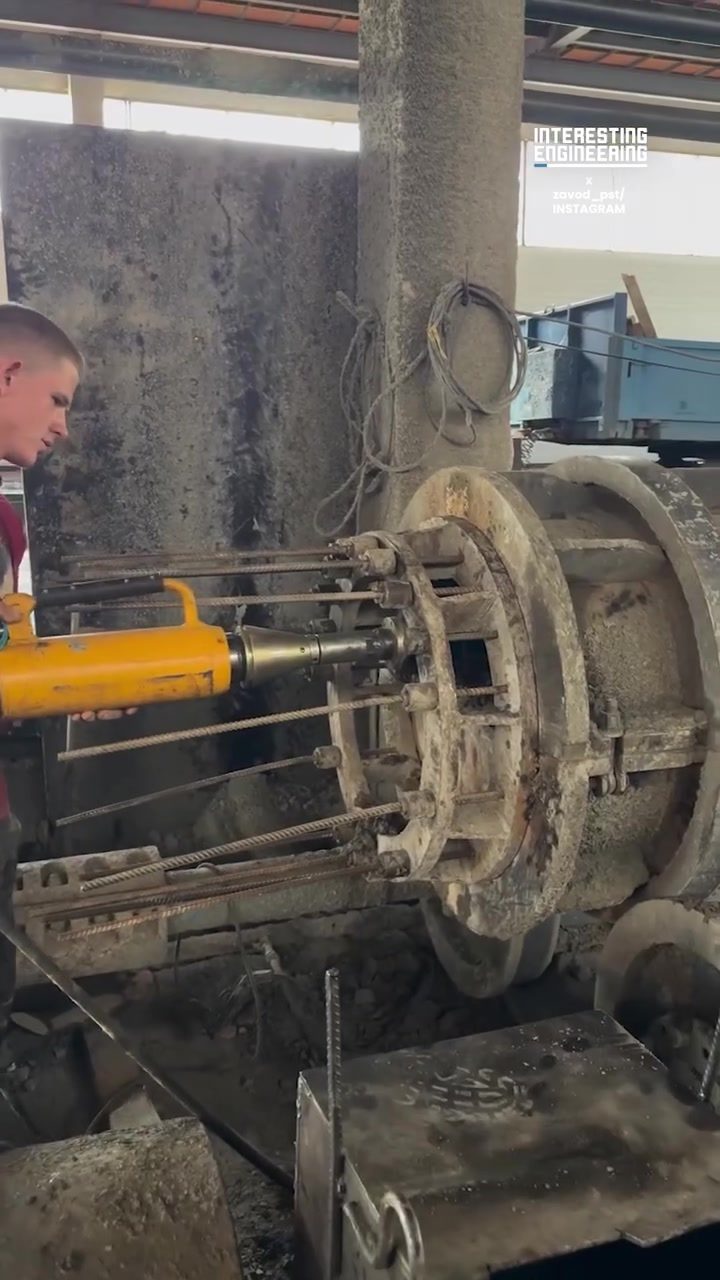
Industrial Machinery for Pipe Threading
Industrial machinery plays a crucial role in various manufacturing and processing plants, particularly in the realm of metalworking. One specialized machine, featured in a recent demonstration, is designed to rotate a metal pipe while a cutting head forms threads on the end. This process is essential for preparing pipes for tight, secure connections, which are vital in plumbing, construction, and industrial applications.
Context / Why This Matters
The threading of metal pipes is a fundamental process in many industries. Pipes with properly formed threads ensure leak-free and secure connections, which are critical for the integrity and safety of the final product. Whether it's in construction, oil and gas, or plumbing, the precision and reliability of these threads can make or break a project. Understanding the machinery involved in this process provides insight into the intricacies of industrial operations and the importance of precision engineering.
Main Discussion
The Threading Process
Threading a metal pipe involves a series of precise steps, each requiring specialized machinery. The machine in question rotates the metal pipe while a cutting head carefully forms threads on the end. This process ensures that the threads are uniform and accurately sized, which is essential for creating a tight, secure connection.
Components of the Machine
The machine features a complex arrangement of gears and rods. These mechanical components work in unison to rotate the pipe and guide the cutting head. The intricate mechanics of the machine are designed to handle the rigorous demands of industrial operations, ensuring that the threading process is both efficient and precise.
Gears and Rods
The gears and rods are the backbone of the machine, facilitating the smooth and precise rotation of the pipe. The gears are likely made of high-quality materials to withstand the continuous operation and high pressures involved in metal processing. The rods, on the other hand, provide the necessary support and alignment for the cutting head, ensuring that the threads are formed accurately.
Cutting Head
The cutting head is the component responsible for forming the threads on the pipe. It is designed to cut into the metal with precision, creating the threads necessary for a secure connection. The cutting head must be durable and sharp enough to handle the tough metal surfaces, while also being adjustable to accommodate different pipe sizes and thread specifications.
Monitoring and Adjustment
During the operation, a person's hand is briefly seen interacting with the machine. This interaction is likely for monitoring and adjusting the machine's function. In industrial settings, operators must constantly monitor and adjust the machinery to ensure optimal performance and to address any potential issues that may arise.
Practical Tips
Maintenance and Upkeep
Regular maintenance and upkeep are essential for ensuring the longevity and reliability of industrial threading machines. This includes cleaning and lubricating the gears and rods, inspecting the cutting head for wear and tear, and replacing any components as needed. Regular checks can help prevent downtime and ensure that the machine operates at peak efficiency.
Safety Precautions
Working with industrial machinery involves inherent risks. Always ensure that safety protocols are in place. This includes wearing appropriate protective gear, such as gloves and safety goggles, and following all safety guidelines provided by the manufacturer. Regular training for operators is also crucial to prevent accidents and ensure safe handling of the machinery.
Quality Control
Quality control is paramount in the threading process. Regular inspections of the threads should be conducted to ensure they meet the required specifications. This can involve using calibrated gauges to measure the thread dimensions and checking for any defects or irregularities. High-quality threads are essential for maintaining the integrity of the final product.
Important Takeaways
- The threading process is crucial for preparing pipes for secure connections, which are vital in various industries.
- The machine used in this process features a complex array of gears, rods, and a precise cutting head.
- Regular maintenance, safety precautions, and quality control are essential for the efficient and reliable operation of threading machinery.
Conclusion
Understanding the industrial machinery involved in threading metal pipes provides valuable insight into the precision and complexity of modern manufacturing processes. From the intricate mechanics of the machine to the importance of regular maintenance and safety, each aspect plays a critical role in ensuring the reliability and efficiency of the final product. By appreciating the workings of these machines, we gain a deeper appreciation for the engineering and craftsmanship that goes into creating secure, high-quality connections.
Watch the Reel
Questions readers ask
What are the key components of an industrial threading machine for metal pipes?
Industrial threading machines typically include a rotating chuck to hold the pipe, a cutting head to form the threads, and precision components like gears and rods to ensure accurate threading. These components work together to create precise, secure threads on the metal pipes.
Why is it important to thread metal pipes securely?
Securing threads on metal pipes is crucial for maintaining tight, leak-free connections. This is particularly important in industries like construction, oil and gas, and plumbing, where the integrity and safety of the final structure or system depend on reliable pipe connections.
What industries benefit from the use of industrial threading machines?
Industries such as construction, oil and gas, and plumbing significantly benefit from industrial threading machines. These machines ensure that metal pipes are threaded precisely, which is essential for the reliability and safety of various systems and structures.
What is the process of threading metal pipes using an industrial machine?
The process involves placing the metal pipe into the machine's rotating chuck. The machine then rotates the pipe while a cutting head moves along the pipe's end, forming precise threads. This ensures that the pipes can be securely connected to other components.
What are the advantages of using industrial threading machines over manual threading methods?
Industrial threading machines offer several advantages, including increased precision, efficiency, and consistency. Unlike manual methods, these machines can form threads quickly and accurately, reducing the risk of human error and ensuring the pipes are threaded to the required specifications.
What types of threads can industrial threading machines create on metal pipes?
Industrial threading machines can create various types of threads, including tapered and straight threads, depending on the specific requirements of the application. These threads are designed to ensure a secure and leak-free connection when pipes are joined together.
How do industrial threading machines ensure the precision and consistency of threaded pipes?
These machines employ advanced mechanisms such as precision cutting heads, gears, and rods. These components work in harmony to rotate the pipe and move the cutting head, ensuring that the threads are formed with the exact dimensions and specifications required for a secure and reliable connection.
Related deep dives
Similar reads based on topic and creator.

Recent articles
Fresh deep dives from the latest Reels we unpacked.




Comments
Be the first to comment.