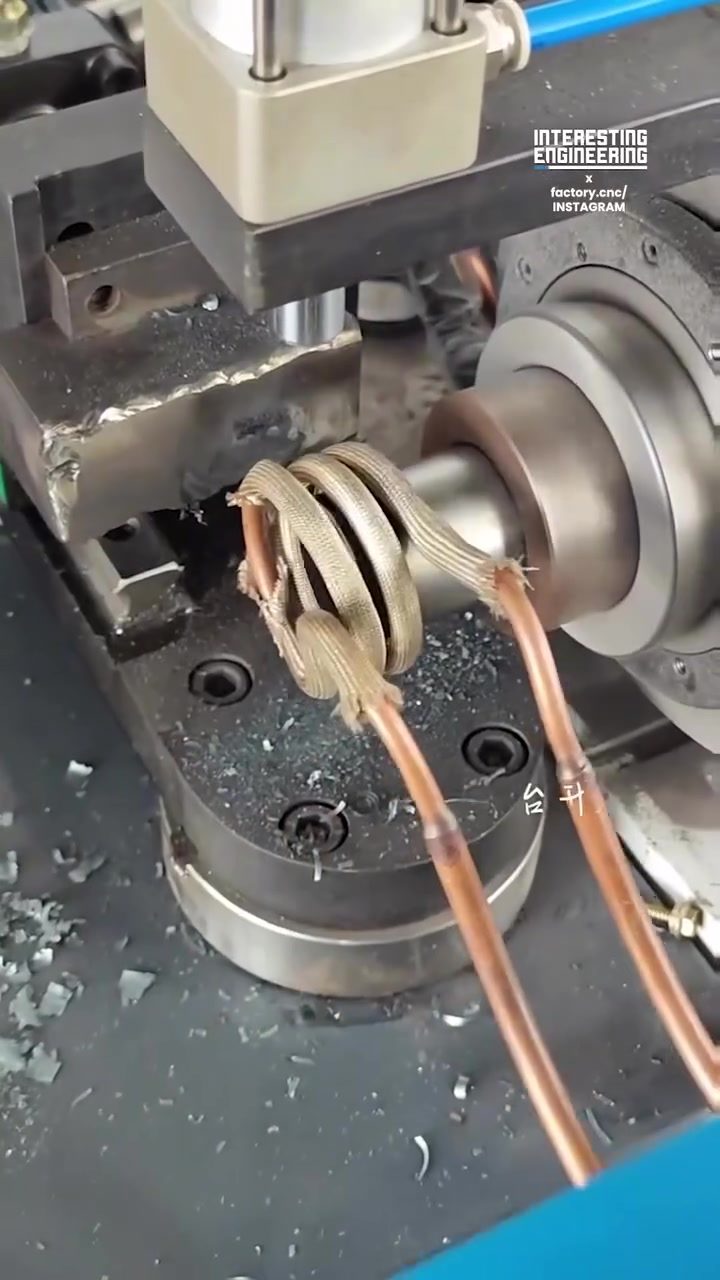
CNC Machining Process
CNC (Computer Numerical Control) machining is a versatile and precise manufacturing process used to create complex metal components. This process involves the use of pre-programmed software to control the movement of factory tools and machinery. CNC machining can produce a wide variety of parts, from simple shapes to intricate designs, with high precision and consistency.
Why This Matters
The significance of CNC machining lies in its ability to produce high-quality parts with minimal human intervention. This process is widely used in various industries, including aerospace, automotive, medical, and electronics, where precision and reliability are critical. CNC machines can perform a variety of operations, such as milling, turning, drilling, and grinding, making them indispensable in modern manufacturing.
Main Discussion
Induction Heating in CNC Machining
One of the key processes demonstrated in the CNC machining video is induction heating. This method rapidly heats the metal tube end using electromagnetic fields. Unlike traditional heating methods that require direct contact, induction heating softens the material precisely and efficiently. This precision is crucial for preparing the metal for forming processes, ensuring that the final product meets the required specifications.
Induction heating offers several advantages over conventional heating methods. It provides rapid and uniform heating, reducing the risk of thermal stress and warping. This precision is essential for creating high-quality metal components that require exact measurements and consistent material properties.
The CNC Machining Process
The CNC machining process involves several steps, each contributing to the final product's precision and quality. Here’s a breakdown of the key steps:
-
Design and Programming: The process begins with a detailed design created using Computer-Aided Design (CAD) software. This design is then translated into a program that the CNC machine can understand. The program specifies the movements and actions the machine will perform.
-
Material Preparation: The raw material, such as a metal tube, is prepared for machining. This may involve cutting the material to the correct size and shape, as well as any initial heating or treatment processes, such as induction heating.
-
Machining: The CNC machine follows the programmed instructions to cut, drill, or shape the material. The precision of the machine ensures that the final product meets the design specifications. During this process, metal shavings are produced as the cutting tool interacts with the material, demonstrating the power and precision of CNC technology.
Precision and Power of CNC Technology
CNC technology is renowned for its precision and power. The machines can perform complex operations with high accuracy, ensuring that the final product meets the required specifications. The use of electromagnetic fields in processes like induction heating further enhances the precision and efficiency of the machining process.
Practical Tips
When working with CNC machines, several practical tips can help ensure the best results:
-
Proper Maintenance: Regular maintenance of the CNC machine is crucial for its performance and longevity. This includes cleaning the machine, lubricating moving parts, and checking for any signs of wear or damage.
-
Quality Control: Implementing a robust quality control system can help ensure that the final product meets the required specifications. This may involve inspecting the material before and after machining, as well as checking the machine’s performance.
-
Training and Expertise: Operating a CNC machine requires specialized training and expertise. Investing in proper training for operators can help ensure that the machine is used effectively and safely.
Important Takeaways
Working with CNC machines requires a combination of technical expertise, precision, and attention to detail. The induction heating process, for example, is a critical component of the CNC machining workflow, allowing for efficient and precise heating of the metal. This precision is essential for creating high-quality metal components that meet the required specifications.
Conclusion
CNC machining is a highly precise and versatile manufacturing process that plays a crucial role in various industries. From induction heating to the final machining steps, each stage of the process contributes to the final product's quality and precision. By understanding the key aspects of CNC machining, manufacturers can produce high-quality components that meet the demands of modern industry.
Watch the Reel
Questions readers ask
How does induction heating enhance precision in CNC machining?
Induction heating enhances precision by uniformly heating the metal, which minimizes thermal stress and distortion. This consistent heating allows for more accurate machining, as the metal maintains its shape and dimensions better during the CNC process.
What makes induction heating suitable for preparing metal components in CNC machining?
Induction heating is suitable for preparing metal components because it rapidly and uniformly heats the metal using electromagnetic fields. This method ensures that the metal is at an optimal temperature for forming processes, leading to high-quality and reliable outputs.
Why is uniform heating important in the CNC machining process?
Uniform heating is crucial in CNC machining because it prevents warping and distortions that can occur with uneven thermal expansion. By maintaining consistent temperature distribution, CNC machines can achieve higher precision and produce more reliable parts.
Can induction heating be integrated into existing CNC machining setups?
Yes, induction heating can be integrated into existing CNC machining setups. Many modern CNC machines are designed with the capability to incorporate induction heating systems, allowing for seamless integration and improved machining processes.
What are the benefits of using induction heating in CNC machining for metal forming?
The benefits of using induction heating in CNC machining for metal forming include improved precision, reduced thermal stress, and more efficient production processes. Induction heating ensures that the metal is at the optimal temperature for forming, leading to better-quality parts.
How does induction heating compare to other heating methods in CNC machining?
Induction heating stands out from other methods due to its rapid and uniform heating capabilities. Unlike traditional methods that may cause uneven heating and thermal stress, induction heating uses electromagnetic fields to heat the metal uniformly, resulting in higher precision and quality in CNC machining.
What role do electromagnetic fields play in induction heating for CNC machining?
Electromagnetic fields are the core of induction heating. They generate heat within the metal itself by causing molecular movement, which leads to rapid and uniform heating. This method ensures that the metal is heated efficiently and consistently, which is essential for achieving precise and reliable results in CNC machining.
Related deep dives
Similar reads based on topic and creator.


Recent articles
Fresh deep dives from the latest Reels we unpacked.




Comments
Be the first to comment.