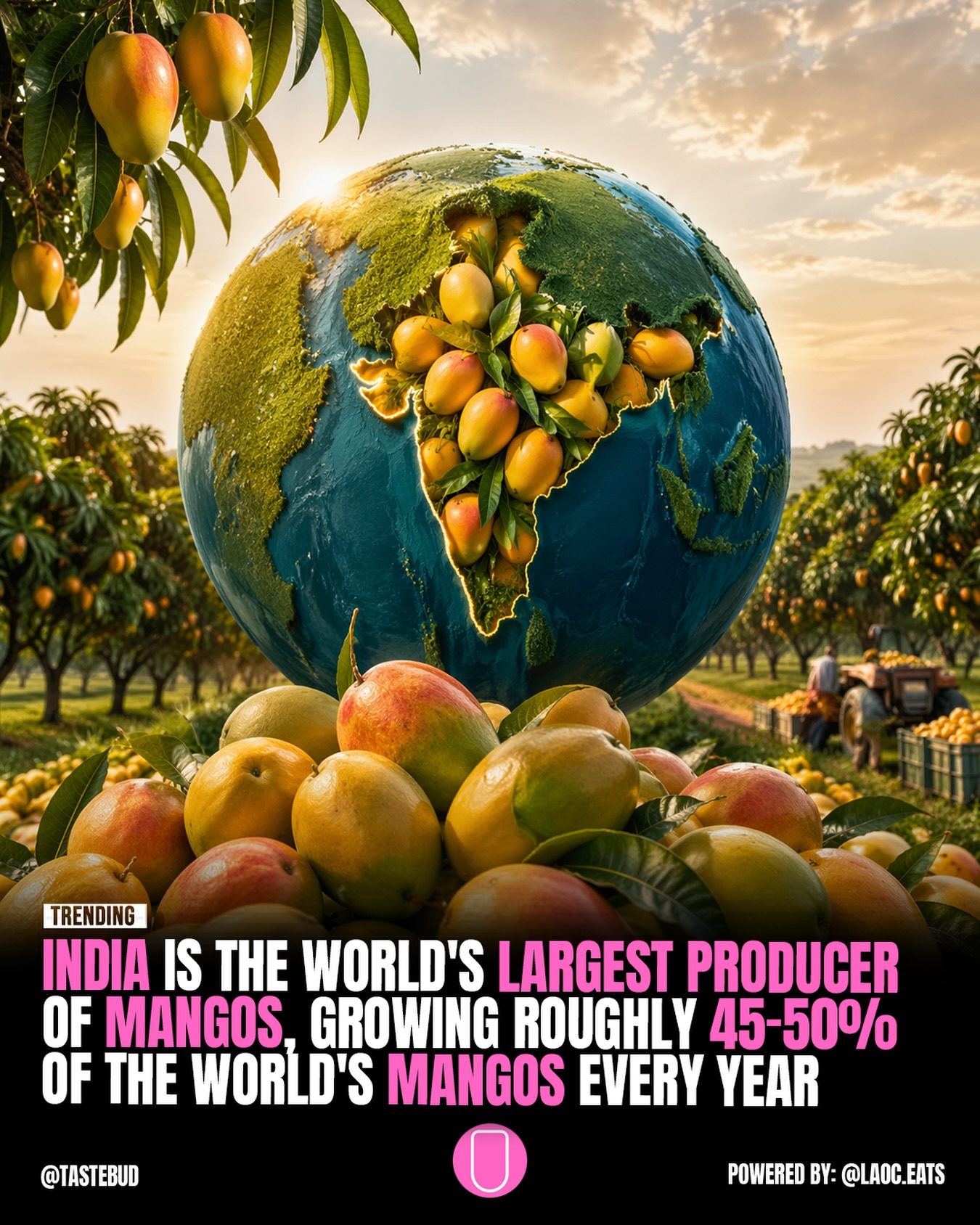
Mango Production in India: A Global Powerhouse
India's significance in global mango production cannot be overstated. The country produces around 45 to 50 percent of the world's mango supply each year, making it the largest producer of mangoes globally. Despite this impressive output, India exports less than 1 percent of its total production, with most mangoes consumed domestically.
Why This Matters
India's dominance in mango production is a testament to the country's agricultural prowess and favorable climatic conditions. The high domestic consumption is driven by strong demand, cultural importance, and a vast population.
Strong Demand and Cultural Importance
Mangoes hold a special place in Indian culture and cuisine. They are not just a fruit but a significant part of festivals, rituals, and daily meals. The diverse range of mango varieties in India, each with its unique taste and texture, caters to the varied preferences of the population.
Domestic Consumption
The large population of India ensures a substantial domestic market for mangoes. This high demand helps sustain local economies and supports the livelihoods of countless farmers and traders. The cultural significance and the sheer volume of consumption contribute to the low export figures, as most mangoes are enjoyed within the country.
Mango Production: A Deep Dive
Varieties and Cultivation
India boasts a wide array of mango varieties, including the popular Alphonso, Langra, and Kesar, each known for its distinct flavor and aroma. The cultivation of mangoes is widespread across the country, with states like Uttar Pradesh, Andhra Pradesh, and Bihar being major producers.
Climate and Soil
The success of mango cultivation in India can be attributed to its suitable climate and fertile soil. Mango trees thrive in tropical and subtropical regions, benefiting from warm temperatures and ample rainfall. The diverse soil types, ranging from sandy loam to clay, also contribute to the robust growth of these trees.
Production Techniques
Mango cultivation in India involves traditional and modern techniques. Farmers often use age-old methods passed down through generations, alongside contemporary practices like irrigation systems and pest control measures. The integration of technology in agriculture, such as the use of drones for spraying pesticides, has further enhanced the efficiency and yield of mango production.
Practical Tips for Mango Lovers
Selecting the Right Mango
When choosing a mango, look for one that is firm but yields slightly to gentle pressure. The skin should have a vibrant color, and there should be a sweet, fragrant aroma at the stem end. Avoid mangoes with bruises or blemishes, as they may be overripe or damaged.
Storing Mangoes
To maximize the shelf life of mangoes, store them at room temperature until they are ripe. Once ripe, they can be refrigerated to prolong their freshness. For optimum ripening, place the mango in a paper bag with an apple or banana, which releases ethylene gas and accelerates the ripening process.
Preparing Mangoes
Mangoes can be enjoyed in various ways, from eating them fresh to incorporating them into recipes. For a quick snack, peel the mango, cut it into slices, and remove the pit. Mangoes can also be used in smoothies, salads, and desserts, adding a refreshing and tropical flavor to any dish.
Important Takeaways
India's role in global mango production is not only about the sheer volume but also about the quality and variety of mangoes produced. The country's rich agricultural heritage, diverse climate, and large consumer base contribute to its dominance in the mango market. While most mangoes are consumed domestically, the export potential remains significant, especially as the demand for high-quality, exotic fruits continues to rise globally.
Conclusion
India's mango production is a fascinating blend of tradition and innovation, reflecting the country's deep-rooted agricultural practices and modern advancements. Whether you are a mango enthusiast or a connoisseur of tropical fruits, understanding India's role in global mango production provides a deeper appreciation for this beloved fruit and its cultural significance.
Watch the Reel
Questions readers ask
Why is India considered the world's leading mango producer?
India is considered the world's leading mango producer because it supplies around 45-50% of the global mango market each year. This is due to a combination of favorable climatic conditions, vast agricultural lands, and a strong domestic demand for mangoes.
How much of India's mango production is exported?
India exports less than 1% of its total mango production. The majority of the mangoes produced in India are consumed domestically, as the fruit is deeply ingrained in Indian culture and cuisine and high demand.
What are some of the key mango growing regions in India?
India has several key mango growing regions, including Uttar Pradesh, Andhra Pradesh, Telangana, Bihar, and West Bengal. These regions are known for their favorable climatic conditions and rich soil, which are ideal for mango cultivation.
What role do mangoes play in Indian culture and cuisine?
Mangoes play a significant role in Indian culture and cuisine. They are a staple in many Indian dishes, used in both sweet and savory preparations. Additionally, mangoes are celebrated in various festivals and hold a special place in Indian traditions.
How does India's mango supply chain work?
India's mango supply chain involves a vast network of farmers, wholesalers, and local markets. The supply chain includes small scale farmers, local markets, and a few organized export operations. The majority of the mangoes are sold through local networks and consumed domestically.
What are some popular Indian mango varieties?
India is home to a diverse range of mango varieties. Some of the popular ones include Alphonso, Langra, Badami, Kesar, and Dashahari. Each variety has its unique taste, texture, and aroma, contributing to the rich mango culture in India.
How does India's mango production impact the global market?
India's mango production significantly impacts the global market by supplying a substantial portion of the world's mangoes. However, due to high domestic consumption and limited exports, India's influence on the global market is more about the sheer volume of production than competitive pricing or variety export.
Related deep dives
Similar reads based on topic and creator.


Recent articles
Fresh deep dives from the latest Reels we unpacked.




Comments
Be the first to comment.